
MAGAZINE
The Psychology of Luxury Interiors: How Bespoke Furniture Shapes Residential Experience

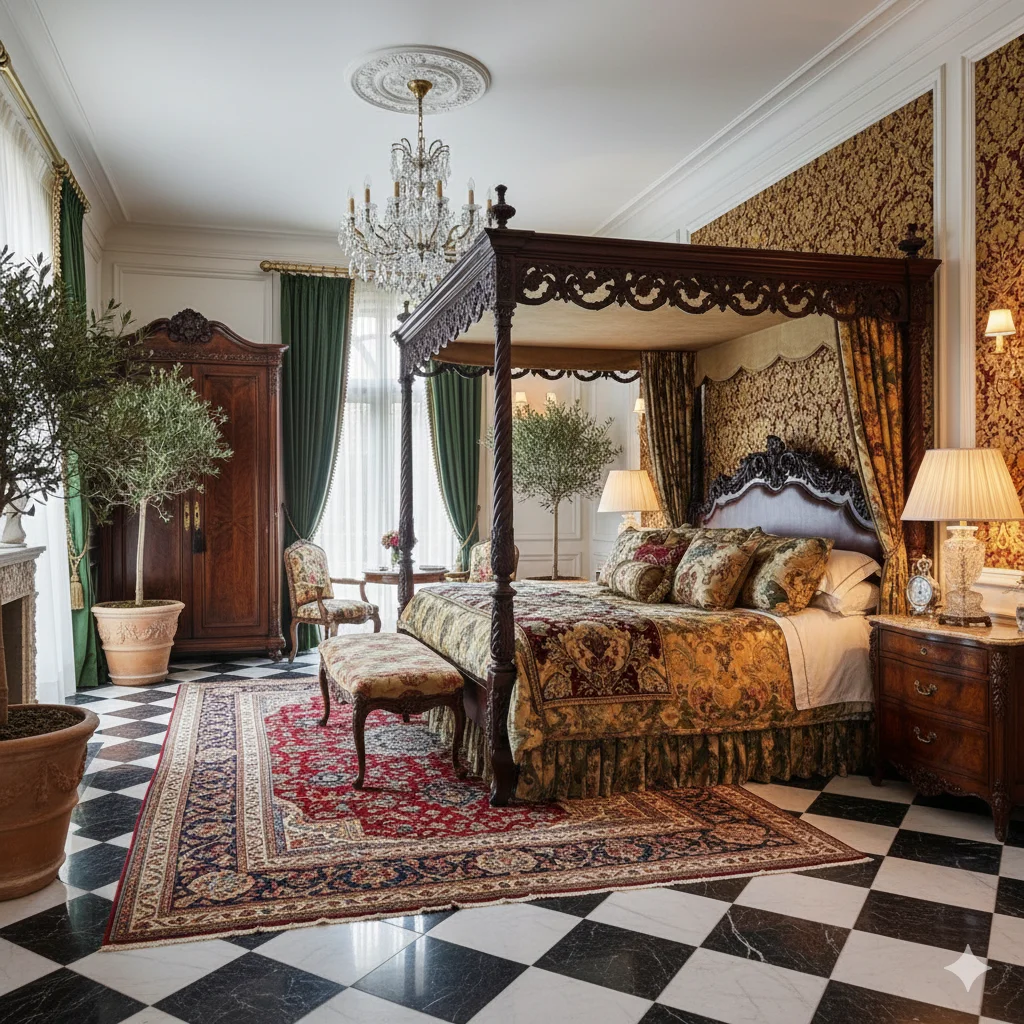
The spaces we inhabit profoundly influence our psychological states, daily behaviors, and overall quality of life. While this connection between environment and psychology has been understood intuitively for centuries, contemporary research in environmental psychology, neuroscience, and design theory has provided scientific validation for what luxury homeowners have long experienced: the furniture surrounding us shapes not just how our homes look, but how we feel, think, and live within them.
For clients investing in premium residences—whether penthouses overlooking Dubai Marina, villas in the South of France, or contemporary estates in Singapore—the psychological impact of interior choices represents a crucial consideration. Bespoke furniture, specifically designed for individual clients and their unique circumstances, offers opportunities for psychological optimization impossible to achieve with mass-produced alternatives.
The Neuroscience of Space: How Our Brains Process Interior Environments
Recent neuroscientific research using fMRI technology has revealed that our brains process interior spaces with remarkable complexity, activating multiple neural systems simultaneously. When we enter a room, our brains immediately begin assessing spatial dimensions, material textures, color palettes, proportional relationships, and countless other variables—mostly at subconscious levels.
Spatial Processing: The hippocampus and parahippocampal regions create mental maps of spaces, helping us navigate and feel oriented. Furniture arrangement significantly impacts these cognitive maps. Well-designed interiors featuring bespoke furniture scaled appropriately to room dimensions create clear spatial understanding, reducing cognitive load and promoting feelings of comfort and control.
Emotional Responses: The amygdala and prefrontal cortex evaluate spaces for emotional content. Curved furniture forms tend to trigger more positive emotional responses than sharp angles. Natural materials activate reward centers differently than synthetic surfaces. Bespoke furniture allows designers to optimize these neurological responses by incorporating preferred forms, materials, and proportions specific to individual clients.
Memory and Identity: Our brains strongly associate physical environments with personal identity and memories. Bespoke furniture, created specifically for an individual, strengthens this connection. Each piece becomes part of personal narrative rather than a generic commercial product, deepening the psychological bond between person and place.
Personalization and Psychological Ownership
Standard psychology research distinguishes between legal ownership (possessing something) and psychological ownership (feeling that something is intrinsically “mine”). This distinction proves particularly relevant for luxury furniture.
Mass-produced furniture, regardless of price point, creates limited psychological ownership. Clients know that identical pieces exist in showrooms, other homes, catalog photographs. This awareness subtly diminishes the personal connection to objects.
Bespoke furniture generates profound psychological ownership through several mechanisms:
Creation Involvement: Clients who participate in designing custom furniture—selecting materials, approving proportions, choosing finishes—develop deep psychological bonds with resulting pieces. The creative process itself becomes part of the object’s meaning.
Absolute Uniqueness: Knowing that a piece exists nowhere else in the world creates powerful psychological satisfaction. This isn’t mere status-seeking; it reflects fundamental human desires for individuality and self-expression.
Personal Narrative: Bespoke furniture embodies personal stories. A dining table created from wood reclaimed from a client’s childhood home carries emotional weight impossible to replicate. A custom bed frame incorporating design elements from a meaningful travel experience becomes a daily reminder of transformative moments.
At Crosby Project, we’ve observed this phenomenon repeatedly. Clients often describe their custom furniture using language typically reserved for art collections or family heirlooms, even for pieces recently completed. The psychological ownership develops not over time but immediately, through the creation process itself.
Biophilic Design: Connecting Interiors to Nature
Biophilic design theory—developed by biologist E.O. Wilson and expanded by researchers including Stephen Kellert—proposes that humans possess innate tendencies to seek connections with nature and other forms of life. This biological predisposition has significant implications for interior design and furniture selection.
Natural Materials: Research consistently shows that natural materials—wood, stone, leather, natural fibers—produce measurably different psychological responses than synthetic alternatives. Heart rate, cortisol levels, and self-reported mood all improve in environments featuring authentic natural materials.
Crosby Project’s emphasis on premium hardwoods, natural textiles, and traditional finishing techniques aligns perfectly with biophilic principles. When clients touch a tabletop finished with natural oils rather than polyurethane, they’re experiencing actual wood grain—a sensory connection to living (or once-living) material that our brains recognize and respond to positively.
Organic Forms: Natural forms—curves, irregular patterns, grain variations—create visual interest without overwhelming cognitive processing. Unlike the geometric precision of industrial design, which can feel sterile despite technical perfection, organic forms mirror the complexity of natural environments where human psychology evolved.
Our artisans deliberately preserve and emphasize natural wood characteristics—grain patterns, color variations, growth rings—that industrial production eliminates in pursuit of uniformity. These “imperfections” make furniture psychologically richer and more engaging.
Connection to Craftsmanship: Biophilic design extends beyond literal nature to include connections with human making processes. Furniture bearing visible marks of hand craftsmanship—subtle tool marks, hand-rubbed finishes, joinery that reveals construction logic—creates psychological connections to the artisans who created it, satisfying deep human needs for social connection even in abstract forms.
Color Psychology in Bespoke Furniture
Color influences mood, energy levels, and behavior through both cultural associations and neurological responses. Bespoke furniture allows precise color orchestration impossible with mass-produced alternatives.
Warm Tones: Woods like teak, walnut, and certain rosewood species provide warm brown tones that research associates with comfort, security, and groundedness. These colors particularly suit private spaces like bedrooms and studies where psychological safety supports rest and concentration.
Cool Tones: Lighter woods—maple, ash, certain reclaimed timbers—offer cooler tones that create feelings of spaciousness, clarity, and calm. These work beautifully in social spaces and areas dedicated to creative work.
Accent Colors: Through inlays, upholstery, and metal accents, bespoke furniture can incorporate specific colors matched to client preferences and psychological goals. A client seeking energized morning routines might choose dining chairs upholstered in warm terracotta tones, while someone prioritizing calm might select soft sage greens.
Personal Color Associations: Beyond general color psychology, individuals develop personal color associations based on life experiences. Bespoke furniture allows incorporation of colors holding specific meaning—perhaps matching a beloved childhood location, a meaningful relationship, or a transformative experience.
Scale, Proportion, and Psychological Comfort
Furniture scaled inappropriately for spaces or users creates persistent low-level psychological discomfort. Conversely, perfectly proportioned pieces generate feelings of rightness that enhance daily experience.
Human Scale: Furniture dimensions should relate harmoniously to human body dimensions. A dining chair that’s two centimeters too tall creates subtle physical discomfort that compounds over time. Custom furniture allows optimization for specific users—tall individuals, clients with mobility considerations, or those who simply prefer specific postures.
Spatial Relationships: Room dimensions should guide furniture proportions. A massive sectional sofa appropriate for a Dubai penthouse would overwhelm a London flat. Bespoke creation ensures furniture suits not just personal preferences but actual spatial contexts.
Visual Weight: Furniture creates visual weight through size, color, material density, and form complexity. Psychologically balanced rooms distribute visual weight thoughtfully, avoiding both visual monotony and overwhelming complexity. Custom furniture allows precise calibration of visual weight to achieve desired psychological effects.
Tactile Experience and Haptic Psychology
Humans are profoundly tactile creatures. The surfaces we touch daily impact our psychological states in ways we rarely consciously recognize but constantly experience.
Material Warmth: Wood and natural textiles feel warmer to touch than metal or glass, even at identical temperatures, due to thermal conductivity differences. This perceived warmth creates psychological associations with comfort and safety.
Surface Texture: Smooth, hand-finished wood surfaces feel fundamentally different than industrial lacquered surfaces. The subtle texture variations in natural finishes provide sensory richness that our touch receptors find engaging.
Quality Perception: The substantial feel of solid wood furniture, the smooth operation of traditionally jointed drawers, the precise fit of components—these tactile experiences communicate quality at subconscious levels, creating ongoing satisfaction that transcends visual aesthetics.
Crosby Project prioritizes haptic qualities throughout our work. We hand-finish surfaces to create subtle texture that invites touch. We ensure drawers and doors operate with satisfying precision. We select hardware that feels substantial and well-machined. These details create cumulative psychological impact far exceeding their individual importance.
Personal Space and Territorial Psychology
Humans exhibit territorial behaviors even within their own homes. We develop preferences for specific chairs, sides of beds, or workspace configurations. Bespoke furniture can acknowledge and support these territorial tendencies.
Personalized Seating: Custom dining chairs can be individualized for family members—slightly different dimensions, preferred fabric choices, or subtle design variations that mark ownership while maintaining aesthetic cohesion.
Integrated Storage: Custom furniture with thoughtfully designed storage supports territorial organization, allowing each household member to maintain personal order without visual chaos.
Flexible Spaces: Modular bespoke furniture supports changing territorial needs—reconfiguring for solo work, couple activities, family gatherings, or entertaining—giving users control over spatial boundaries.
Case Study: A Psychology-Informed Residence in Singapore
A recent Crosby Project commission illustrates psychological design principles in practice. The clients—a couple with demanding careers in finance and medicine—sought furniture that would support psychological recovery from high-stress professional environments.
Initial consultations revealed several key psychological needs:
Stress Reduction: Both clients experienced elevated stress levels requiring home environments optimized for nervous system downregulation.
Cognitive Restoration: Professional demands caused decision fatigue, necessitating home spaces requiring minimal cognitive processing.
Connection Needs: Despite busy schedules, maintaining relationship connection was paramount, requiring furniture supporting quality interaction.
Our design response integrated multiple psychological principles:
Biophilic Materials: We specified reclaimed teak throughout, providing natural material warmth and organic visual complexity that supports stress reduction without requiring conscious attention.
Ergonomic Precision: Every piece was dimensioned specifically for the clients’ bodies—chairs offering perfect lumbar support, bed height optimized for easy transition, work surfaces at precise heights eliminating postural stress.
Sensory Richness: Hand-rubbed oil finishes created tactile appeal. Fabric selections provided color variation within calming palettes. Material combinations—wood, leather, linen—offered sensory diversity without visual chaos.
Interaction Support: The custom dining table featured a round configuration eliminating hierarchical head positions, promoting egalitarian conversation. The living room seating was arranged for comfortable eye contact at appropriate intimate distances.
Cognitive Simplicity: Despite design sophistication, the aesthetic remained visually quiet. No elements demanded attention. Everything functioned intuitively without instruction.
Meaningful Details: Brass inlays in several pieces referenced patterns from the clients’ honeymoon destination, providing subtle emotional anchoring without obvious sentimentality.
Eighteen months post-installation, the clients report measurably improved stress recovery, better sleep quality, and enhanced relationship satisfaction—outcomes they directly attribute to their living environment.
The Role of Narrative in Furniture Psychology
Humans are narrative creatures. We understand our lives as stories, and physical objects gain meaning through the narratives we construct around them.
Mass-produced furniture carries minimal narrative potential. Its story is commercial—designed by anonymous teams, manufactured in distant factories, sold through impersonal retail channels.
Bespoke furniture inherently carries richer narrative:
Creation Story: The design process, material selection, artisan involvement, and construction timeline create an origin narrative that owners can recount and share.
Cultural Connection: Furniture incorporating traditional techniques or cultural design elements connects owners to broader historical and cultural narratives.
Personal Symbolism: Custom pieces incorporating personal elements—meaningful materials, symbolic inlays, forms referencing important places—become tangible expressions of personal narrative.
Future Legacy: Bespoke furniture designed for multi-generational service becomes part of family narrative, carrying stories forward to descendants.
Crosby Project encourages narrative development through transparent creation processes, detailed provenance documentation, and conscious incorporation of personally meaningful elements. We’ve found that clients who engage deeply with their furniture’s narrative report greater long-term satisfaction and stronger psychological bonds with pieces.
Environmental Psychology and Furniture Arrangement
Furniture arrangement powerfully influences behavior and social dynamics. Bespoke furniture designed for specific spatial contexts can be optimized for desired behavioral outcomes.
Conversation Facilitating: Seating arrangements at appropriate distances (roughly 4-7 feet for comfortable conversation) with slight angles (15-30 degrees rather than direct face-to-face) facilitate natural conversation flow. Custom sectional sofas can be configured to create these optimal arrangements.
Privacy Gradients: Thoughtful furniture arrangement creates privacy gradations within open-plan spaces. A custom console table might define boundaries between living and dining areas without visual blocking. Strategic high-backed seating can create psychological enclosure without architectural walls.
Circulation Patterns: Furniture placement guides movement through spaces. Custom pieces designed for specific locations can define optimal circulation while avoiding the spatial compromises often required with standard-sized furniture.
Activity Support: Different activities require different environmental qualities. Custom furniture can create dedicated zones—reading nooks with precisely positioned lighting and supportive seating, meditation areas with minimal visual distraction, social zones encouraging interaction.
The Psychology of Luxury: What Premium Furniture Communicates
Beyond functional and aesthetic considerations, luxury furniture communicates identity and values both to residents and visitors.
Self-Perception: The environments we create reflect how we see ourselves and who we aspire to be. Clients commissioning bespoke furniture are making statements about valuing quality, craftsmanship, individuality, and long-term thinking.
Social Signaling: Luxury furniture communicates cultural capital and aesthetic sophistication to visitors. However, bespoke pieces signal differently than brand-name mass luxury—emphasizing discernment, individual taste, and values beyond conspicuous consumption.
Values Expression: Sustainable bespoke furniture communicates environmental consciousness. Pieces incorporating traditional craftsmanship demonstrate cultural awareness and heritage appreciation. Material choices, design aesthetics, and creation narratives all express personal values.
Temporal Psychology: Furniture and Time Perception
Our perception of time influences wellbeing and life satisfaction. Furniture impacts temporal psychology in subtle but significant ways.
Present Moment Awareness: Beautiful, tactilely engaging furniture can promote present-moment awareness by providing sensory anchoring. Running hands across hand-finished wood or settling into ergonomically perfect seating brings attention to immediate physical experience.
Patience and Delayed Gratification: Commissioning bespoke furniture requires patience—waiting months between design approval and delivery. This process promotes delayed gratification and anticipation, creating psychological investment that enhances ultimate satisfaction.
Permanence and Continuity: In a world of rapid change and disposable products, furniture designed to last generations provides psychological anchoring. It creates threads of continuity linking past, present, and future.
Seasonal and Daily Rhythms: How furniture appears in changing light throughout days and seasons can enhance connection to natural temporal rhythms. Wood tones shift in morning versus evening light. Natural materials develop patinas over years. These changes create subtle awareness of time passage.
Cognitive Load and Decision Fatigue
Contemporary life involves constant decision-making that depletes cognitive resources. Home environments should minimize rather than add to cognitive load.
Visual Simplicity: While bespoke furniture can be highly detailed, the best pieces achieve complexity that appears simple—visual richness without chaos. This allows appreciative observation without cognitive overwhelm.
Intuitive Functionality: Custom furniture designed around user habits operates intuitively without instruction. Drawers open easily. Surfaces are at natural reaching heights. Everything functions as expected without conscious thought.
Reduced Maintenance Decisions: Quality construction and appropriate material choices minimize maintenance requirements, eliminating recurring decisions about repairs, replacements, or care regimens.
Multisensory Design: Beyond Visual Aesthetics
Complete psychological optimization requires addressing all senses, not just vision.
Acoustic Qualities: Materials absorb or reflect sound differently. Upholstered furniture dampens noise. Hard surfaces create lively acoustics. Custom furniture can be specified to achieve desired acoustic environments.
Olfactory Elements: Natural materials carry subtle scents. Fresh wood releases pleasant terpenes. Natural leather has distinctive aroma. Linseed oil finishes provide characteristic scent. These olfactory signatures create emotional associations and environmental richness.
Kinesthetic Feedback: How furniture responds to use—the weight of a drawer, the resistance of a cushion, the stability of a table—provides kinesthetic feedback that influences satisfaction and comfort.
Crosby Project considers multisensory experience throughout design and fabrication. We select materials partly for acoustic properties. We finish wood to release pleasant natural scents. We engineer mechanisms for satisfying kinesthetic feedback. These details create psychologically complete experiences.
Adaptation and Psychological Sustainability
An often-overlooked aspect of furniture psychology is adaptation—how responses to pieces change over time.
Novelty Adaptation: Humans adapt quickly to visual stimuli, causing initial excitement about new purchases to fade. However, multi-layered designs revealing complexity gradually resist adaptation. Pieces containing subtle details, material variations, and sophisticated proportions remain psychologically engaging indefinitely.
Deepening Appreciation: Well-crafted bespoke furniture often generates increasing appreciation over time as owners discover subtleties, as materials develop patinas, and as personal associations accumulate.
Emotional Investment: Custom furniture designed collaboratively develops emotional significance that actually increases over time rather than fading through familiarity.
The Future of Psychological Interior Design
As understanding of environmental psychology deepens and as measurement technologies improve, furniture design will likely become increasingly psychologically sophisticated.
Biometric Optimization: Future clients might provide biometric data—stress responses, sleep patterns, social interaction qualities—used to optimize furniture designs for measurable wellbeing improvements.
Personalization Algorithms: AI might analyze client preferences, behaviors, and psychological profiles to suggest optimal furniture configurations, though the actual creation would remain artisan-driven.
Therapeutic Design: Furniture might be specifically designed to support psychological healing, behavioral change, or performance optimization in measurable, validated ways.
Crosby Project stands ready to incorporate these developments while maintaining our fundamental commitment to human craftsmanship and individual client relationships that make profound psychological optimization possible.
Conclusion: Furniture as Psychological Infrastructure
The furniture surrounding us functions as psychological infrastructure—shaping daily experience, influencing behavior, and affecting wellbeing in continuous, cumulative ways.
Bespoke furniture, specifically designed for individual clients and their unique psychological needs, circumstances, and aspirations, offers optimization potential impossible to achieve with mass-produced alternatives. By integrating environmental psychology, neuroscience, biophilic design principles, and deep understanding of individual client needs, custom furniture becomes far more than aesthetic choice—it becomes psychological intervention supporting enhanced life quality.
For discerning clients worldwide seeking not just beautiful interiors but psychologically optimized living environments, Crosby Project offers furniture that satisfies both ambitions—pieces that delight visually while supporting wellbeing, productivity, connection, and fulfillment in measurable, meaningful ways.













 Bedroom