
MAGAZINE
Modern Style in Interior Design: The Evolution of Contemporary Living and Why It Matters Now

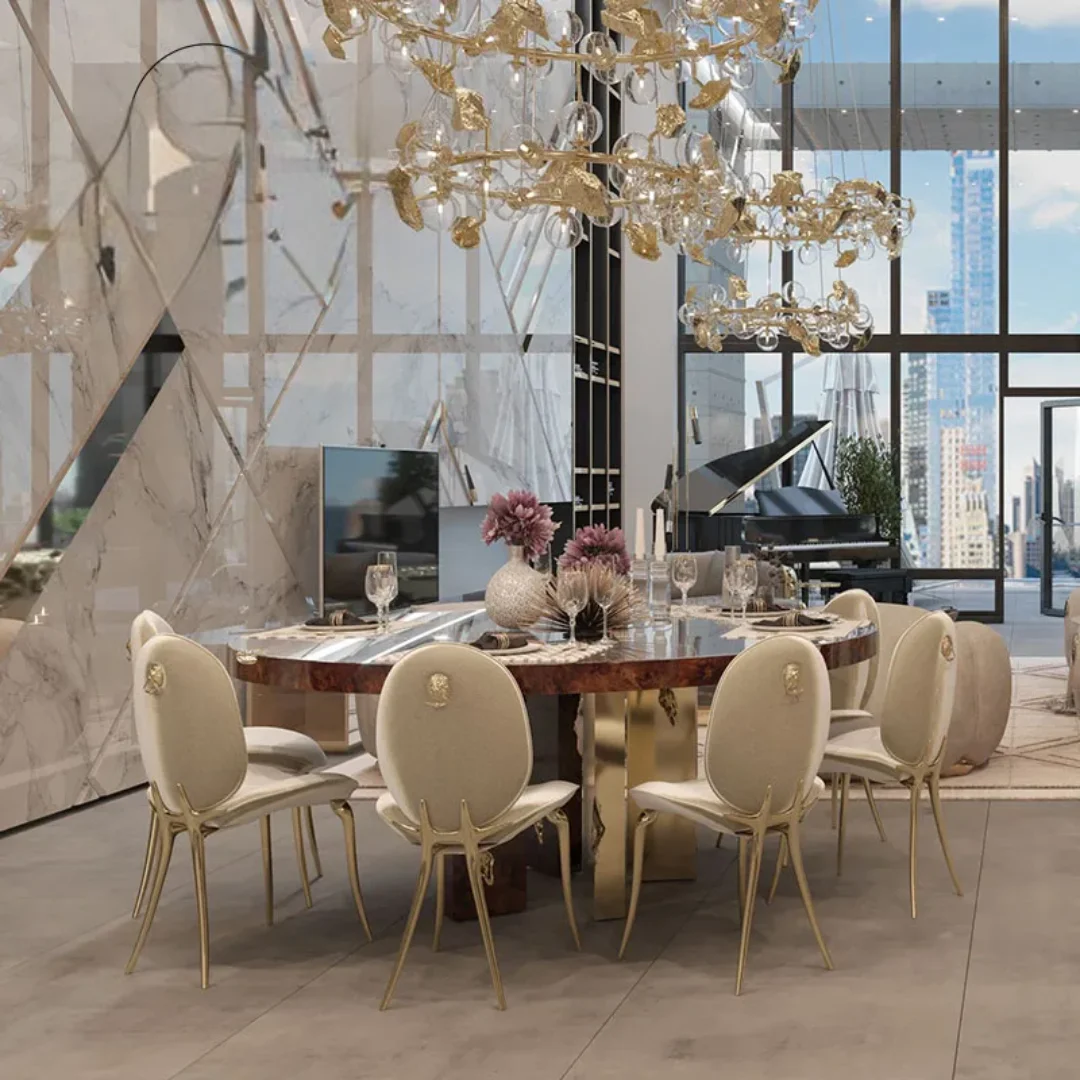
Understanding how modern interior design has transformed from rigid doctrine to flexible philosophy, and what this means for creating homes that feel both current and timeless
Published: December 2025 | Reading Time: ~13 minutes | Category: Design Philosophy & Modern Living
There’s a particular moment that happens in almost every initial consultation at our Tamil Nadu workshop. A client will flip through design magazines, point at various images, and say something like, “I want modern, but not cold. Contemporary, but comfortable. Clean lines, but warm.” Then they’ll pause, slightly embarrassed, and add, “I’m not sure if I’m explaining this well.”
I always smile at this point because they’re explaining it perfectly. What they’re articulating is the fundamental evolution that modern interior design has undergone over the past two decades. The word “modern” no longer means what it meant in 1950, or even 2005. It’s become something far more nuanced, more flexible, more human.
This evolution matters tremendously if you’re creating or renovating a home right now. Understanding what modern design actually means in 2025—not what it meant decades ago, not what minimalist Instagram feeds suggest it should be, but what it genuinely means for people creating beautiful, livable spaces—can transform your entire approach to designing your home.
Let me take you through this evolution, not as academic history but as practical understanding that will help you make better decisions about your own spaces. Because modern design, properly understood, isn’t a rigid style you either embrace or reject. It’s a flexible approach that can create homes feeling simultaneously current and timeless, designed yet comfortable, sophisticated yet livable.
The Myth We Need to Discard First
Before we can understand what modern design is, we need to clear away what it isn’t. There’s a persistent myth that modern interior design means cold, minimal spaces with white walls, chrome fixtures, and uncomfortable furniture. Rooms that look like museum galleries, beautiful to photograph but miserable to actually inhabit.
This stereotype exists for a reason—there was a period when this was indeed what “modern” meant to many designers. The mid-century modern movement, particularly in its more dogmatic expressions, did prioritize form over comfort, aesthetic purity over practical livability. Spaces were designed to make philosophical statements about modernity and progress, sometimes at the expense of human warmth and comfort.
But here’s what’s crucial to understand: that was then. Modern design has evolved dramatically, incorporating lessons learned from decades of people actually living in modern spaces. The best contemporary designers have figured out how to maintain modern design’s essential virtues—clean lines, uncluttered spaces, honest materials, thoughtful proportion—while shedding the cold austerity that made earlier modern interiors feel more like galleries than homes.
I think about a project we completed last year for a family in Bangalore. The husband was an architect who’d studied modernist principles. The wife was an interior designer who valued warmth and comfort above aesthetic doctrine. They came to us wanting furniture that could bridge these perspectives—modern in form and principle, but warm and inviting in execution.
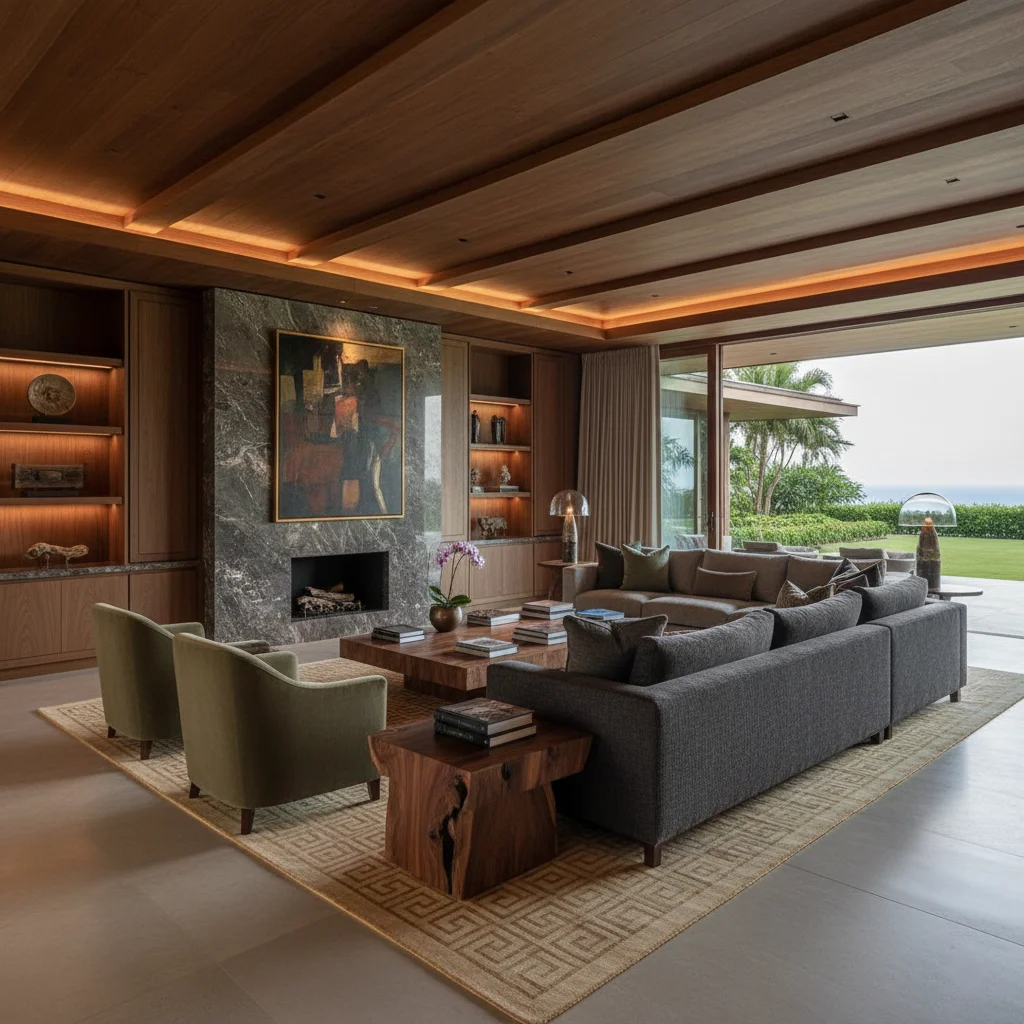
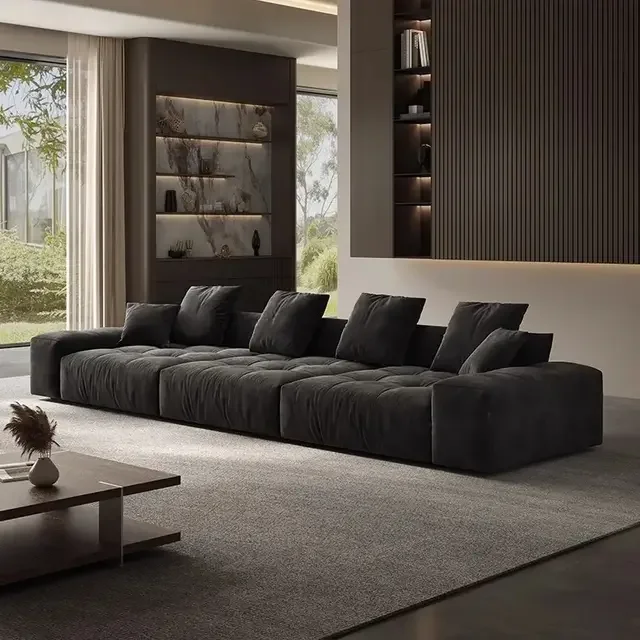
We created a living room centered on a sofa in our workshop’s signature style: clean-lined form owing clear debt to modernist principles, but executed in warm teak with cushions upholstered in handwoven Indian cotton. The coffee table was a single slab of sustainably sourced walnut, its form reductivist and pure, but its surface showing the wood’s natural edge and grain patterns in all their organic irregularity. Side tables combined blackened steel—industrial, modern, cool—with tops in warm mango wood that had been carefully selected for striking grain patterns.
When the furniture was installed, the space achieved exactly what they’d hoped for. It was undeniably modern—clean lines, uncluttered composition, honest materials doing what they do best. But it was also undeniably warm—rich wood tones, tactile fabrics, organic forms. Visitors consistently described it as “modern but comfortable,” which is exactly what modern design should be in 2025.
The Core Principles That Actually Define Modern Design
If modern design isn’t about cold minimalism and chrome furniture, what is it about? Let me share the principles we use at Crosby Project when creating what we call modern interiors, principles distilled from years of making furniture for contemporary homes across India and internationally.
The first principle is honesty about materials. Modern design insists that materials should look like what they are. Wood should look like wood, showing its grain and natural character rather than being painted or disguised. Steel should look like steel. Stone should look like stone. This doesn’t mean materials can’t be finished or refined—our workshop spends enormous time perfecting wood finishes—but the finishing should enhance rather than conceal the material’s essential nature.
This principle has profound practical implications. It means that when you’re selecting furniture and finishes for a modern interior, you’re looking for pieces that celebrate material authenticity. A teak table should showcase teak’s natural golden warmth and distinctive grain. A marble counter should display marble’s veining and variation. A linen curtain should show linen’s characteristic texture and slight irregularity.
Compare this to traditional design approaches that might paint wood to look like something else, or use plastic laminates to imitate stone, or apply faux finishes to create false aged patinas. Modern design rejects these deceptions not out of snobbery but from belief that materials are most beautiful when honestly expressed.
The second principle is that form should follow function, though this famous dictum requires modern interpretation. It doesn’t mean that beauty must be sacrificed to utility, or that decoration is forbidden. Rather, it means that a thing’s design should emerge from understanding what it needs to do.
A dining table needs to support weight without wobbling, accommodate diners comfortably, and survive decades of use. These functional requirements should inform its design—the thickness of the top, the positioning of legs, the choice of wood species and joinery techniques. But once these functional requirements are met, there’s tremendous room for aesthetic expression. The table can be beautiful, even sculptural, as long as its beauty doesn’t compromise its function.
We recently created a desk for a writer in Noida who needed extensive surface area for spreading out research materials. The functional requirement was clear: maximum usable surface within the room’s dimensions. We designed a cantilevered top extending nearly three meters, supported by a substantial end base that provided storage. The form—that dramatic cantilever—emerged directly from the function: creating maximum work surface. But the execution was beautiful, with the cantilever creating a floating quality that made the massive piece feel surprisingly light.
The third principle is that less is often more, though this too requires careful interpretation. Modern design values restraint, editing, carefully considered composition over busy accumulation. But restraint doesn’t mean austerity. It means being selective, choosing pieces that earn their place rather than filling space for the sake of filling it.
A modern living room might have fewer pieces of furniture than a traditional one, but each piece is carefully selected for maximum impact and utility. The sofa is substantial and comfortable, designed for actual use rather than show. The coffee table is beautiful enough to serve as room’s focal point. The shelving is thoughtfully organized rather than cluttered. The result feels serene and uncluttered without being empty or cold.
This principle of restraint extends to ornamentation. Modern design tends toward minimal decoration, but minimal doesn’t mean zero. A well-placed carved detail on otherwise plain cabinetry can be more impactful than extensive carving across all surfaces. A single piece of striking art on an otherwise plain wall commands more attention than a gallery wall of many pieces. The restraint makes the moments of decoration more powerful.
The fourth principle, and perhaps most important for creating livable modern spaces, is that design should serve human comfort and wellbeing. This might seem obvious, but it’s actually a relatively recent addition to modern design thinking. Early modernists sometimes prioritized aesthetic purity over human comfort, creating beautiful spaces that were uncomfortable to actually inhabit.
Contemporary modern design recognizes that a space, no matter how aesthetically pure, has failed if people don’t enjoy being in it. Chairs must actually be comfortable to sit in for extended periods. Lighting must be pleasant and adequate for intended tasks. Rooms must be warm in winter and cool in summer. Storage must be sufficient for real human lives, not idealized minimalist fantasies.
This human-centered approach transforms how we design furniture. That Bangalore sofa I mentioned earlier? We spent weeks perfecting the seat depth, back angle, and cushion firmness to ensure it was actually comfortable for extended sitting. The modernist form was important, but comfort was non-negotiable. Similarly, when we design storage furniture, we always ensure it can accommodate real human belongings—not just the carefully curated objects that look good in photographs, but the messy reality of actual life.
Modern Design in Different Cultural Contexts
One of the most interesting aspects of modern design is how it adapts to different cultural contexts while maintaining its core principles. Modern design isn’t inherently Western, despite its historical origins in early twentieth-century European movements. It’s a set of principles that can be applied to any cultural design vocabulary.
This is particularly relevant in India, where we have rich design traditions that can be reinterpreted through modern lenses. Traditional Indian craftsmanship—the joinery techniques our Tamil Nadu artisans have perfected over generations, the understanding of how different wood species behave, the heritage of working with inlay and carving—all of this can be employed in creating furniture that’s modern in spirit while being distinctly Indian in execution.
We created a dining suite for a family in Mumbai that illustrates this perfectly. They wanted furniture that honored their Gujarati heritage while feeling contemporary. We designed chairs incorporating traditional jali lattice work in their backs, but executed with clean geometric patterns rather than traditional organic motifs. The dining table used traditional mortise and tenon joinery—the same techniques used in centuries-old Indian furniture—but the form was reductivist and modern. The wood was Indian rosewood, a material with deep cultural resonance, but finished in a way that emphasized its natural beauty rather than applying traditional decorative treatments.
The result was furniture that felt simultaneously modern and culturally rooted. Visitors recognized it as contemporary design, but also sensed its Indian character. This synthesis represents modern design at its best—not the imposition of Western aesthetic onto other cultures, but the application of modernist principles to indigenous materials, techniques, and design vocabularies.
This cultural flexibility is one reason modern design has proven so enduring and adaptable. The principles—material honesty, form following function, thoughtful restraint, human-centered design—work regardless of cultural context. How you apply them can and should vary based on local traditions, available materials, and cultural values.
The Role of Craftsmanship in Modern Design
There’s a common misconception that modern design must be industrial, machine-made, and divorced from traditional craft. This is historically inaccurate—many modernist pioneers collaborated closely with craftspeople—and practically limiting. Some of the most compelling modern furniture being created today emerges from traditional craft workshops.
Our Tamil Nadu facility is proof of this. We employ artisans who learned traditional Indian furniture-making techniques from their fathers and grandfathers. These craftspeople can execute joinery so precise that pieces fit together without glue, can hand-plane surfaces to perfect flatness, can finish wood to bring out grain patterns invisible in the raw material. These are skills honed over generations, utterly traditional in their origins.
Yet we use these traditional skills to create furniture that’s undeniably modern. A dining table might use traditional mortise and tenon joinery perfected centuries ago, but the table’s form is clean-lined and contemporary. A cabinet might be hand-finished using techniques unchanged for generations, but its design is minimalist and restrained. The synthesis of traditional craft and modern design creates furniture with a quality impossible to achieve through industrial production.
There’s also something deeply appropriate about creating modern furniture through traditional craft. Modern design’s principle of material honesty aligns perfectly with traditional craftsmanship’s deep understanding of materials. The modern emphasis on quality and durability matches traditional craft’s focus on creating furniture built to last generations. The modern appreciation for the beauty of perfect joinery and carefully considered proportion echoes traditional craft values.
I think about the hands creating furniture in our workshop—hands that have spent decades working wood, that know instinctively how different species cut and finish, that can feel when a joint is perfectly tight or needs adjustment. These hands create modern furniture with a quality and character that factory production simply cannot match. Each piece carries the subtle marks of its making, the small variations that indicate human rather than machine production, the character that comes from true craftsmanship.
This merging of traditional craft and modern design also supports sustainability. Traditional craft techniques typically create less waste than industrial production—a skilled craftsperson can work around knots and imperfections, using irregular pieces that industrial processes would reject. Hand finishing uses less energy than machine sanding and polishing. The durability of well-crafted furniture means it lasts longer, requiring replacement less frequently.
Color, Texture, and Material in Modern Interiors
Early modern design often featured stark color palettes—white walls, black accents, perhaps primary colors used sparingly. Contemporary modern design takes a far more nuanced approach to color, recognizing that rich, complex palettes can coexist with modern principles.
In our work, we often use deeply saturated colors, but thoughtfully. A modern living room might feature walls in rich charcoal gray, creating a sophisticated backdrop for lighter furniture. A bedroom might use warm terracotta, adding comfort and warmth while maintaining clean-lined modern forms. A study might employ deep forest green, creating a contemplative environment that’s modern in execution but rich in color.
The key is using color intentionally rather than defaulting to neutrals out of fear that color isn’t “modern enough.” Color becomes problematic in modern spaces when it’s applied thoughtlessly or excessively, not when it’s used at all.
Texture plays an equally important role in humanizing modern spaces. A room with all smooth surfaces—polished wood, smooth plaster, sleek metal—can feel cold and unwelcoming. Introducing textural variation—the grain of wood, the weave of fabric, the roughness of natural stone—adds warmth and sensory richness without compromising modern aesthetic.
We’re always thinking about textural contrast when designing furniture. A smooth teak tabletop might be paired with textured linen upholstery. Sleek steel chair legs might support seats in woven cane. Polished marble might be juxtaposed with roughly hewn wood. These contrasts create visual and tactile interest while maintaining modern compositional clarity.
Material selection becomes crucial in modern interiors because materials are doing more aesthetic work than in traditional spaces where ornamentation and pattern might be primary visual elements. When you remove elaborate moldings, decorative carving, and patterned wallpapers, the materials themselves must be beautiful enough to carry the design.
This is why we’re so selective about wood species, why we spend so much time examining specific boards to find ones with particularly beautiful grain, why we develop custom finishes that bring out subtle color variations invisible in raw wood. In modern furniture, the material is the decoration.
Living with Modern Design: Practical Considerations
Creating a modern interior requires thinking differently about how you acquire and arrange furniture and objects. The restraint and careful editing that characterize modern spaces don’t happen accidentally—they require conscious choices about what to include and what to exclude.
This doesn’t mean you must own fewer possessions than someone with traditional interiors. It means being more thoughtful about storage, more selective about what’s displayed, more intentional about composition. A modern home can accommodate as much stuff as a traditional one, but more of it will be thoughtfully stored away rather than constantly visible.
When we design storage furniture for modern interiors, we’re often creating pieces with far more storage capacity than their external appearance suggests. Clean-lined cabinets might contain highly organized interior compartments. Minimalist-looking media consoles might hide extensive storage behind seamless door fronts. The goal is providing ample storage while maintaining uncluttered visual simplicity.
This approach requires honest assessment of your actual storage needs. I always encourage clients to inventory what they need to store—not what they’d ideally own in some minimalist fantasy, but what they actually have and use. Then we design storage that accommodates reality while maintaining the visual restraint that modern design requires.
Living successfully in modern spaces also requires accepting that some maintenance is necessary to preserve the uncluttered aesthetic. Surfaces need to be kept relatively clear. Items need to return to storage after use rather than accumulating on counters and tables. This isn’t necessarily more work than maintaining traditional interiors, but it’s different work, requiring different habits.
Many clients find that modern interiors actually encourage better organization and habits. The visual clarity of uncluttered spaces feels so good that maintaining it becomes naturally rewarding rather than burdensome. When everything has a designated place and surfaces are kept clear, the space simply works better—items are easier to find, rooms feel more spacious, cleaning is simpler.
Modern Design and Sustainability
Modern design principles align remarkably well with sustainable practice, perhaps better than any other design approach. The emphasis on quality and durability over disposability means modern furniture is typically built to last decades or generations. The material honesty means you’re working with real wood, real stone, real metal—materials that can be repaired, refinished, and eventually recycled rather than ending in landfills.
The restraint inherent in modern design also supports sustainability. When you’re thoughtfully selective about what you acquire, buying fewer but better pieces, you consume fewer resources. When furniture is well-designed and well-made, you keep it longer, reducing the cycle of replacement that drives so much consumption.
Our commitment to sustainable practices at Crosby Project flows naturally from our modern design philosophy. We source wood from certified sustainable sources or reclaimed materials. We employ traditional craft techniques that generate minimal waste and use human energy rather than fossil fuels. We finish furniture with low-VOC products that don’t pollute indoor air or harm the craftspeople applying them.
The furniture we create is designed for longevity through both durability and timeless design. A piece that’s physically built to last a century but looks dated in five years has failed. True sustainability requires creating furniture that people will want to keep not just because it still functions but because it remains beautiful and relevant. Modern design’s emphasis on timeless proportion and restrained aesthetics supports this goal.
We’re also increasingly designing furniture with eventual disassembly in mind. Traditional joinery techniques we employ—mortise and tenon, dovetails, drawbored joints—can be disassembled and reassembled, allowing for repair or reconfiguration. This contrasts with much contemporary furniture assembled with glue and fasteners that make repair impossible and eventual recycling difficult.
The Future of Modern Interior Design
Looking ahead, I see modern design continuing to evolve in directions that make it more rather than less relevant for creating beautiful, livable, sustainable homes.
The integration of traditional craftsmanship with modern design principles will likely accelerate. As people increasingly value authenticity and connection to making processes, furniture created by skilled artisans using time-honored techniques will become more valued than mass-produced alternatives. This creates opportunities for workshops like ours, where traditional craft meets contemporary design.
The flexibility of modern design to incorporate diverse cultural influences will expand. Rather than “modern” meaning a specific aesthetic vocabulary associated with Western design traditions, we’ll see increasingly diverse expressions of modern principles applied to different cultural contexts. Indian modern design will look different from Japanese modern design which will differ from Scandinavian modern, while all sharing core principles of material honesty, functional form, and thoughtful restraint.
Sustainability will become not just compatible with modern design but central to it. The modern emphasis on quality, durability, and material authenticity aligns perfectly with sustainable practice. Future modern design will likely be defined partly by environmental responsibility—not as added virtue but as fundamental requirement.
Technology integration will become more seamless and thoughtful. Modern interiors will incorporate smart home technology, advanced climate control, and other innovations, but in ways that maintain visual simplicity and human control. The technology will serve the space rather than dominating it.
Most importantly, modern design will continue moving away from dogmatic minimalism toward more humane, comfortable, personally expressive interpretations. The modern spaces we create going forward will maintain the visual clarity and compositional thoughtfulness that define modern design while embracing warmth, comfort, and individual character.
Why Modern Design Matters Now
After two decades creating furniture for modern interiors, I’ve come to believe modern design isn’t just one option among many—it’s actually the most appropriate approach for our current moment. Here’s why.
First, modern design’s emphasis on quality and longevity directly addresses the environmental crisis created by disposable consumption. Creating fewer, better pieces that last longer is simply more responsible than the cycle of cheap furniture replaced every few years.
Second, modern design’s flexibility and cultural adaptability make it suitable for our increasingly globalized, multicultural world. It’s not tied to specific historical styles or cultural contexts in ways that would make it inappropriate in different settings.
Third, modern design’s restraint and visual clarity offer psychological refuge from the sensory overload of contemporary life. Spaces that are calm, uncluttered, and thoughtfully composed provide genuine respite from the visual chaos and constant stimulation of the digital age.
Fourth, modern design’s emphasis on material honesty and authentic craftsmanship counters the artificial and virtual character of so much contemporary experience. Real wood, showing real grain patterns, crafted by real human hands, offers tangible connection to physical reality and human making.
When someone creates a modern home—whether a complete residence or a single room—they’re making a statement about values. They’re choosing quality over quantity, timelessness over trend, thoughtful composition over accumulated clutter, authentic materials over artificial finishes, human craft over industrial production.
These choices matter. They matter for the environment, for craft traditions, for the quality of daily life, for the homes we’ll pass on to future generations.
This is why we continue dedicating ourselves to creating modern furniture through traditional craft at Crosby Project. Every piece emerging from our Tamil Nadu workshop represents these values made tangible—material honestly expressed, form serving function, quality built to endure, beauty achieved through restraint, traditional techniques applied to contemporary design.
Modern design, properly understood and thoughtfully executed, creates homes that feel both utterly current and genuinely timeless, designed yet comfortable, sophisticated yet livable. It creates spaces where people don’t just reside but genuinely thrive.
And in the end, that’s what any design approach must achieve to matter. Not adherence to aesthetic doctrine, not slavish following of trends, but creation of spaces that make daily life better, more beautiful, more meaningful.
That’s modern design as we understand it. That’s modern design worth creating.
For consultations on creating modern interiors with bespoke furniture:
Tamil Nadu Workshop
355/357, Bhavani Main Road, Sunnambu Odai, B.P.Agraharam, Erode, Tamil Nadu 638005, India
Dubai International Office
Platinum Tower, Jumeirah Lake Towers, Star Business Centre DMCC, Unit Number 808-04
Ireland Office
16 Leopardstown Abbey, Carrikmines, Dublin 18 D18YW10, Ireland
Contact: +91-8826860000 | +91-8056755133 | care@crosby.co.in












 Bedroom