



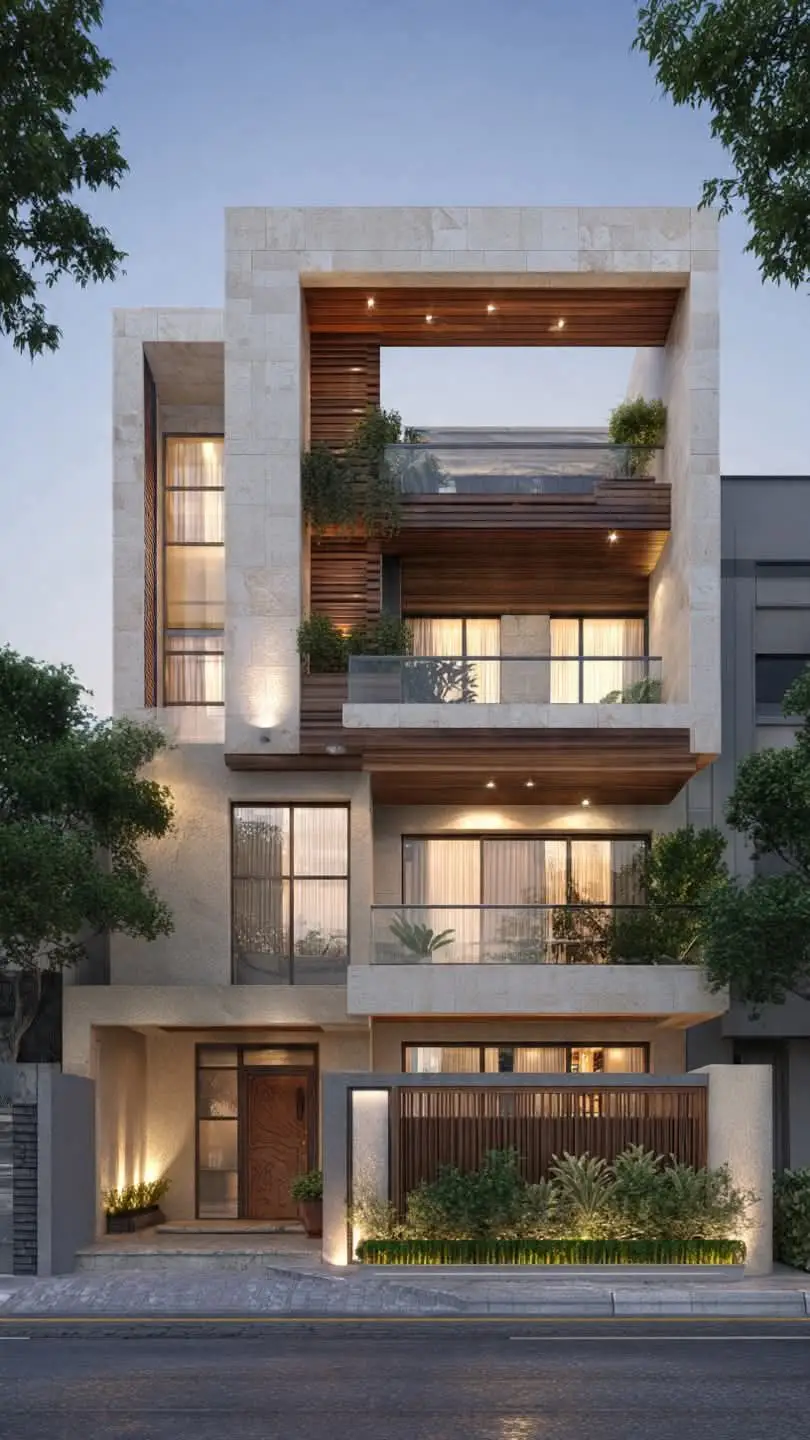
An insider’s perspective on Dubai’s most coveted addresses and how they’re embracing bespoke furniture from India’s master artisans
Published: December 2025 | Reading Time: ~13 minutes | Category: Global Luxury Markets
There’s a particular quality to late afternoon light in Dubai that transforms even the most modern architecture into something almost mystical. Standing on a terrace in Emirates Hills as the sun descends toward the Arabian Gulf, casting long shadows across marble floors and making brass fixtures glow like captured fire, you understand why this city has become a magnet for those seeking the absolute pinnacle of residential luxury.
Over the past five years, Crosby Project has found ourselves increasingly drawn into Dubai’s orbit, not through our own offices—we work directly from our Tamil Nadu facility and Ireland base—but through clients who’ve discovered our work and insisted we be part of their Dubai stories. These are individuals building homes in Palm Jumeirah penthouses, crafting sanctuaries in Arabian Ranches villas, creating private museums in Downtown Dubai apartments. They come to us because they want something the standard luxury furniture market cannot provide: pieces with soul, with story, with the unmistakable mark of human hands guided by generations of knowledge.
What we’ve learned navigating Dubai’s luxury residential market has fundamentally shaped how we think about contemporary Indian craftsmanship’s place in global design. This isn’t simply about shipping furniture to wealthy clients. It’s about understanding how traditional Indian artisanal techniques speak to modern sensibilities, how sustainability credentials matter even in a city built on audacity, how bespoke creation competes with instant gratification in a market that can have anything, immediately.
The Geography of Aspiration: Understanding Dubai’s Residential Hierarchy
Dubai’s residential landscape operates according to its own logic, one that newcomers often misunderstand. Unlike cities that developed organically over centuries, Dubai was largely designed, each district conceived with specific purposes and specific clientele in mind. Understanding this intentional geography is essential for anyone working in Dubai’s luxury market, whether selling real estate, designing interiors, or—as we do—creating bespoke furniture for the city’s most discerning residents.
Emirates Hills represents the apex of villa living, Dubai’s answer to Beverly Hills though arguably more exclusive given the limited number of plots. These are homes where square footage measures in the tens of thousands, where gardens require full-time staff, where the question isn’t whether you’ll have a home cinema but whether you’ll have one or two or three. We recently completed furniture for an Emirates Hills residence where the walk-in closet alone was larger than many Dubai apartments. The client wanted pieces that would last generations, heirlooms being created in real-time rather than inherited. For the primary closet island, we used sustainably harvested rosewood from certified Karnataka plantations, creating a piece that will outlive its owners and likely their children.
Palm Jumeirah exists in a category of its own—the man-made island that became Dubai’s most recognizable symbol. The penthouses here aren’t merely residences but statements, homes where floor-to-ceiling windows frame the Arabian Gulf and the Dubai skyline simultaneously. These spaces demand furniture that can hold its own against such dramatic architecture and views. Minimalism often wins here, but it must be minimalism with substance. We created a dining table for a Palm penthouse using a single slab of sustainably sourced teak, five meters long, that required three months to properly season and another month to finish. The wood grain became a natural artwork, flowing like water across the table’s length, holding its own against million-dollar views.
Downtown Dubai, anchored by the Burj Khalifa, attracts a different demographic—often younger, globally mobile, professionally accomplished. These are apartments rather than villas, but apartments with million-dirham price tags and finishes that rival any villa. Space comes at an even higher premium here, making every piece of furniture earn its place through both beauty and function. We’ve found our modular designs particularly successful in Downtown Dubai, pieces that transform from coffee table to dining table to desk, that hide storage within sculptural forms, that prove you needn’t choose between aesthetics and practicality.
Arabian Ranches and similar villa communities offer something closer to traditional suburban living, albeit with distinctly Dubai characteristics—gated security, world-class amenities, architectural guidelines ensuring visual cohesion. Families predominate here, and they want homes that feel like homes rather than showpieces. Our work in Arabian Ranches tends toward warmth and durability, furniture that can withstand the realities of children and pets while maintaining sophisticated aesthetics. Teak again proves invaluable—naturally resistant to wear, developing beautiful patina over years, substantial enough for active family life yet refined enough for elegant entertaining.
The Springs, The Meadows, The Lakes—these established villa communities attract buyers seeking value within the luxury market, if such a paradox can exist. Here we see demand for quality that will endure but at price points more accessible than Emirates Hills or Palm Jumeirah. This is where our workshop’s efficiency becomes valuable, where our integration of traditional craftsmanship with contemporary production methods allows us to deliver genuine quality at competitive pricing. A family in The Springs might commission a complete dining set—table, eight chairs, matching sideboard—in sustainable mango wood with our signature joinery, investing perhaps a third of what equivalent quality would cost through European luxury furniture brands.
Jumeirah Beach Residence and Dubai Marina represent high-rise living at its most intense—towers stretching toward the sky, apartments stacked like luxury goods in a very tall display case. These are often investment properties, homes occupied part-time by owners who split time between Dubai and London, Mumbai and New York, Hong Kong and São Paulo. The furniture requirements reflect this lifestyle—pieces that don’t require constant maintenance, that can sit uninhabited for months without deteriorating, that present perfectly whenever owners return. Our traditional oil-based wood finishes, which actually improve with occasional neglect, prove ideal for these circumstances.
The Dubai Client: Sophisticated, Global, Demanding
Working with Dubai-based clients has taught us more about contemporary luxury than any design publication ever could. These are individuals operating at the highest levels of global business, moving between continents as easily as others commute between suburbs, accustomed to excellence and allergic to mediocrity. They’ve stayed in every significant luxury hotel, dined in Michelin-starred restaurants across three continents, collected art at international fairs. Their reference points are global, their expectations are extraordinary, and their patience for anything less than exceptional is nonexistent.
Yet they’re also surprisingly receptive to craft narratives and sustainability stories, provided these narratives are authentic rather than marketing fabrication. A Dubai client who might spend six figures on a watch because they appreciate horological craftsmanship absolutely understands the value proposition of furniture created by master artisans using centuries-old techniques. They recognize genuine quality, having been exposed to both the best and the most expensive, understanding these aren’t always synonymous.
We’ve found Dubai clients particularly drawn to our transparent supply chain documentation. When we can provide GPS coordinates for the forest where timber originated, photographs of the specific craftsman who executed joinery, carbon footprint calculations for the entire creation-to-delivery process, this resonates powerfully. In a market saturated with greenwashing and spurious luxury claims, verifiable authenticity becomes its own luxury.
The purchasing process with Dubai clients also differs from our typical Indian clientele. Where Indian clients might visit our Tamil Nadu workshop, spending hours discussing wood selection and design details, Dubai clients often work entirely remotely, relying on video consultations, detailed 3D renderings, and material samples shipped to Dubai. This demands different communication approaches, more comprehensive documentation, greater precision in translating ideas into visualizations.
We’ve developed protocols specifically for Dubai clients that honor both their time constraints and their need for confidence before commissioning significant pieces. Initial consultations happen via video, often scheduled for Dubai evenings which align with our Indian morning working hours. We create multiple design iterations, showing variations in wood species, finish options, proportional adjustments. We ship substantial material samples—not small chips but actual pieces large enough to understand grain patterns, finish quality, material weight. We provide detailed technical drawings showing construction methods, joinery details, dimensions.
Only after this extensive process, once the client has absolute confidence in what they’re commissioning, do we begin creation. This front-loading of effort might seem inefficient, but it eliminates the miscommunication and disappointment that can occur when clients can’t physically visit a workshop. By the time we start building, everyone involved knows exactly what’s being created.
Climate Considerations: Designing for Desert Conditions
Dubai’s climate presents unique challenges for furniture, particularly wooden pieces. Humidity swings from 60-80% in summer to below 30% in winter, all while temperatures soar above 45°C for months. Air conditioning runs constantly, creating additional humidity fluctuations. These conditions can destroy poorly constructed furniture, causing joints to fail, wood to crack, finishes to cloud.
Our Tamil Nadu workshop’s decades of experience with Indian climate extremes—monsoon humidity in Kerala, desert dryness in Rajasthan, temperature variations across the subcontinent—has prepared us well for Dubai. We understand wood movement, how different species respond to humidity changes, which joinery techniques accommodate this movement rather than fighting it.
Teak, our most-specified wood for Dubai projects, evolved in tropical conditions and handles Dubai’s climate admirably. Its natural oils resist the drying effects of constant air conditioning, its dense grain structure minimizes expansion and contraction, its proven durability across centuries in harsh conditions makes it ideal for challenging environments. We source teak from certified sustainable plantations in Karnataka and Tamil Nadu, wood that’s been properly seasoned for three to five years, ensuring dimensional stability.
For pieces requiring lighter colors than teak’s natural golden brown, we’ve had success with sustainably harvested ash and certain oak varieties, both of which handle humidity variation reasonably well when properly finished. The key is our finishing process—multiple applications of traditional oil-based finishes that penetrate deep into the wood rather than sitting on the surface, creating protection that moves with the wood rather than cracking when wood moves.
We also provide detailed care instructions specific to Dubai conditions. While our furniture requires minimal maintenance, we recommend clients maintain indoor humidity between 40-60% year-round, using humidifiers during dry months if necessary. We advise keeping furniture away from air conditioning vents where direct cold air can cause localized drying. We suggest occasional application of conditioning oil, though our finishes are designed to perform well even if this recommendation is ignored.
The climate considerations extend beyond wood to other materials. Metal hardware in Dubai must resist both humidity and the aggressive cleaning products common in Dubai’s immaculately maintained homes. We specify solid brass or stainless steel, never plated metals that will eventually show wear. Stone and marble, both popular in Dubai interiors, must be sealed against both moisture and the oils common in international cuisine. Fabrics must resist fading in Dubai’s intense sunlight while tolerating frequent professional cleaning.
These practical considerations might seem unglamorous compared to discussions of aesthetics and design philosophy, but they’re essential for creating furniture that performs as beautifully in Dubai as it looks. Luxury isn’t only about initial appearance but about enduring quality, about pieces that remain beautiful through years of use in demanding conditions.
The Indian Advantage: Why Dubai Looks East for Furniture
Despite Dubai’s position as a global luxury crossroads with access to furniture from every significant design center worldwide, we’ve seen increasing interest in Indian-crafted pieces, particularly among the city’s most sophisticated buyers. This isn’t nostalgia among Indian expatriates, though they’re certainly part of our client base. Rather, it represents broader recognition of Indian craftsmanship’s unique qualities.
Indian furniture-making traditions stretch back millennia, evolving sophisticated joinery techniques long before European furniture-making developed its own methodologies. The mortise-and-tenon joints our Tamil Nadu artisans execute by hand, cutting tolerances measured in fractions of millimeters, represent knowledge refined across generations. This isn’t romantic exaggeration but practical reality—traditional Indian joinery, when properly executed, creates connections that actually strengthen over time as wood settles and tightens.
Dubai clients who’ve purchased furniture from Italian luxury brands, from Danish design houses, from American contemporary manufacturers, increasingly recognize that what Indian workshops offer is genuinely different. Not better or worse in absolute terms, but different in character. Where European luxury furniture often relies on mechanical precision and contemporary materials, Indian craftsmanship offers organic irregularity—the subtle variations that announce human creation, the imperfections that prove authenticity.
There’s also the sustainability narrative, which resonates powerfully in Dubai’s increasingly environmentally conscious luxury market. Indian furniture-making traditions evolved in resource-constrained conditions where nothing could be wasted, where every scrap of wood had value. This tradition continues in conscientious workshops like ours, where we utilize wood that European manufacturers might discard, where smaller pieces become components in larger works, where sawdust becomes compost for the organic gardens some of our artisans maintain.
The transparent chain of custody we can offer—from forest to workshop to client—is increasingly difficult to verify with global luxury brands whose supply chains span continents and whose manufacturing processes might involve multiple countries. When we tell a Dubai client that their dining table’s wood came from a specific Karnataka plantation, was milled at our Tamil Nadu facility, was crafted by artisans whose names we can provide, this creates confidence impossible to achieve with furniture whose components might have been manufactured on three continents before final assembly.
Cost also factors into the equation, though perhaps not in the way some assume. Our furniture isn’t inexpensive—master craftsmanship never is. But compared to equivalent quality from established European luxury brands, our pricing proves competitive while often delivering superior quality. A dining table from a prestigious Italian brand might cost more than the same commission from Crosby Project while offering inferior joinery, less sustainable sourcing, and finishes that won’t perform as well long-term. Dubai clients who’ve done their research recognize this value proposition.
Shipping and Logistics: Connecting Tamil Nadu to the Gulf
Getting furniture from our Tamil Nadu workshop to Dubai residences involves considerable logistical complexity, complexity we’ve learned to navigate through years of international shipping experience. The physical distance—approximately 3,000 kilometers across the Arabian Sea—represents the simplest part of the equation.
Custom crating becomes an art form for valuable furniture destined for international shipping. Each piece receives crating designed specifically for it, accounting for its dimensions, weight distribution, and fragile points. We use kiln-dried timber for crating—never green wood that might shrink or expand during transit. Interior crate surfaces receive padding that protects finishes without transferring color or texture. For particularly valuable pieces, we create double crating, essentially boxes within boxes with cushioning material between layers.
Marine shipping from Indian ports to Dubai’s Jebel Ali port typically takes 7-10 days, during which furniture experiences temperature variations, humidity changes, and the constant vibration of ocean transport. Our crating and internal packing must protect against all these factors while remaining economically viable—we could theoretically create nearly indestructible crating, but at costs that would make the furniture itself seem inexpensive by comparison.
Dubai customs requires specific documentation—certificates of origin, detailed materials lists, values for duty calculation, and increasingly, sustainability certifications for wood products. We’ve developed relationships with customs brokers who specialize in luxury goods, ensuring our shipments move through clearance efficiently rather than sitting in storage while documentation questions resolve.
The final delivery, from port to residence, requires additional planning. Many Dubai villa communities and apartment buildings have specific delivery windows, elevator size restrictions, rules about moving trucks and loading areas. We work with Dubai-based logistics partners who understand these requirements, who know which buildings require advance scheduling, which have freight elevators, which restrict deliveries to certain hours.
For particularly large or complex installations—built-in wardrobes, modular wall systems, pieces that must be assembled on-site—we sometimes send our own installation team from India. These artisans fly to Dubai, complete installation over several days, and return home. This might seem extravagant, but for complex installations worth hundreds of thousands of dirhams, having the actual craftsmen who built the pieces supervise installation makes economic sense.
Design Trends: What Dubai’s Luxury Market Wants Now
Design preferences in Dubai’s luxury market shift constantly, influenced by international trends, cultural diversity, and the city’s own evolving aesthetic identity. Yet certain patterns have emerged that help us anticipate what clients will request.
Maximalism has made a strong comeback after years of minimalist dominance. Dubai clients increasingly want rooms that feel curated and layered rather than sparse and minimal. This doesn’t mean clutter—Dubai standards of perfection remain exacting—but rather carefully composed richness. We’ve seen requests for pieces with more ornate details, for combinations of materials within single pieces, for furniture that makes statements rather than quietly disappearing into backgrounds.
Customization has become expected rather than exceptional. Dubai clients assume furniture can be modified to their specific requirements—dimensions adjusted for particular spaces, finishes changed to match existing palettes, functional elements added or removed. What would have been considered special requests five years ago are now standard conversations. This actually plays to our strengths as a bespoke workshop where every piece is custom-created anyway, but it’s changed how we present work, emphasizing adaptability and customization from first client contact.
Natural materials are experiencing renaissance, particularly in contrast with Dubai’s abundance of synthetic surfaces. After decades of glass, chrome, and high-gloss lacquer, clients increasingly want wood, stone, natural fibers—materials with inherent variation and organic beauty. This extends beyond furniture to entire design schemes, with developers now marketing apartments featuring real wood rather than laminate, natural stone rather than porcelain, plaster rather than paint.
Sustainability credentials have shifted from nice-to-have to essential for many buyers. This manifests in questions about wood sourcing, requests for FSC certification documentation, interest in our workshop’s environmental practices, desire for carbon-neutral shipping. We’ve even had Dubai clients request that we plant trees to offset their furniture’s carbon footprint, which we now offer as standard service through partnerships with reforestation projects in Karnataka.
Artisan stories matter increasingly to purchasers who want to know who made their furniture, what techniques were used, why particular choices were made. We’ve started creating short video documentaries for significant commissions, showing the actual artisans working on a client’s specific pieces, explaining techniques and materials. Dubai clients treasure these videos, sometimes displaying them on digital frames near the furniture itself, turning the pieces into conversation starters about craftsmanship and creation.
The Competition: How Indian Craftsmanship Stacks Against Global Brands
Dubai’s luxury furniture market includes virtually every significant global brand—from Italian design houses to Scandinavian manufacturers, from French luxury names to American contemporary studios. We don’t compete with all of them, nor would we want to. Instead, we’ve found our niche among clients who value certain qualities these brands cannot easily provide.
Against Italian luxury brands, we compete on craftsmanship authenticity. While many prestigious Italian furniture names still produce exceptional work, many others have shifted manufacturing to lower-cost countries while maintaining Italian branding and pricing. Dubai clients who research their purchases increasingly understand this distinction. When we can demonstrate that every piece is actually crafted in our Tamil Nadu workshop by Indian master artisans, this transparency creates confidence.
Against Scandinavian manufacturers, we compete on warmth and character. Scandinavian design excellence is undeniable, but it tends toward coolness and minimalism that doesn’t always suit Dubai’s climate or cultural preferences. Our work brings warmth—rich woods, traditional techniques, pieces that feel inhabited and welcoming rather than austere and gallery-like.
Against contemporary American and European designers, we compete on longevity and timelessness. Much contemporary furniture follows trends, looking fresh now but potentially dated within years. Our grounding in traditional forms and techniques creates pieces that transcend temporary fashion, that remain relevant through style cycles.
The luxury resale market provides interesting evidence for these claims. Furniture we created ten or fifteen years ago, when it occasionally appears for resale through Dubai’s luxury consignment market, maintains value remarkably well. Pieces commissioned for 100,000 dirhams in 2010 might resell for 80,000 or 90,000 today, despite fifteen years of use. Try finding contemporary furniture from mass luxury brands that maintains anything close to such value retention.
Cultural Sensitivity: Navigating Dubai’s Diverse Market
Dubai’s population includes over 200 nationalities, creating extraordinary cultural diversity that influences design preferences and purchasing behaviors. Our work there has taught us to navigate these cultural nuances with sensitivity and flexibility.
Emirati clients often want pieces that honor traditional Arabic design vocabulary—geometric patterns, rich materiality, generous proportions suited to majlis-style entertaining. We’ve created pieces incorporating mother-of-pearl inlay, a technique our Tamil Nadu artisans learned specifically for Dubai market, that references traditional Islamic decorative arts while maintaining contemporary forms.
Indian expatriate clients, particularly those from business families who’ve built success in the Gulf, often want furniture that connects them to their heritage while reflecting their global sophistication. They might request traditional Indian furniture forms—diwan seating, jharokha-inspired screens—executed in contemporary materials and proportions. These commissions allow us to explore our own design heritage while creating pieces suited to modern lifestyles.
European and American expatriates typically want design that could work anywhere globally, pieces sophisticated enough for their eventual return to home countries. This usually means contemporary forms in natural materials, furniture that communicates quality without specific cultural markers.
Regional preferences also emerge. Clients from certain Arab cultures prefer lower seating than typical Western furniture, requiring modified proportions. Clients from Asian cultures might want furniture that can transition between formal entertaining and casual family use. Understanding these preferences allows us to design pieces that feel personally appropriate rather than generically luxurious.
Religious and cultural customs also influence furniture function. During Ramadan, families entertain extensively, often hosting large gatherings. Furniture must accommodate this—dining tables that extend significantly, seating that can be rearranged easily, occasional tables that can proliferate for serving. We’ve designed modular systems specifically for this flexibility, pieces that reconfigure for different entertaining styles.
Looking Forward: The Future of Indian Craftsmanship in Gulf Markets
The trajectory we’re seeing suggests increasing demand for authentic, sustainable, bespoke furniture from Indian workshops, not just in Dubai but across Gulf markets. This represents opportunity but also responsibility.
Abu Dhabi’s luxury market, more conservative than Dubai’s but equally sophisticated, shows growing interest in craftsmanship narratives. Recent conversations with Abu Dhabi-based designers suggest potential collaborations where our workshop would create pieces for their luxury residential projects.
Qatar, particularly Doha, with its emphasis on cultural authenticity and local heritage, might prove receptive to Indian craftsmanship’s traditional techniques and authentic creation processes. The 2022 World Cup brought global attention to Doha’s luxury market, and post-event, there’s sustained interest in high-quality residential furnishings.
Kuwait and Saudi Arabia’s luxury markets remain less accessible to us currently, but regional trends suggest eventual opportunities. As these markets mature and their clientele develops more sophisticated taste, appreciation for genuine craftsmanship over branded luxury should create openings.
The key to sustainable growth lies not in competing on luxury branding—we’ll never be Hermès or Louis Vuitton—but in offering what brands cannot: authentic creation by master artisans, transparent sustainable practices, bespoke customization, and genuine value. These qualities resonate increasingly with Gulf luxury buyers who’ve cycled through branded luxury and want something more meaningful.
We’re also seeing opportunity in collaborations with Gulf-based interior designers and architects who want furniture that’s both distinctive and reliable. Many designers express frustration with standard luxury furniture options—beautiful but not quite right, or customizable but prohibitively expensive, or sustainable but aesthetically compromised. Our ability to create truly bespoke pieces at competitive pricing while maintaining sustainability credentials makes us attractive partners.
The future likely includes more direct Gulf market engagement—not through our own offices, which would add overhead without adding value, but through partnerships with established design firms, through representation by luxury consignment galleries, through collaborations with property developers creating furnished residences. We’re exploring all these models while remaining true to our core identity as craftsmen rather than marketers.
The Crosby Promise: What We Bring to Dubai from Tamil Nadu
What ultimately makes our work resonant with Dubai’s luxury market isn’t any single factor but the integration of multiple elements into coherent philosophy and consistent practice.
We bring traditional Indian craftsmanship executed to contemporary standards—hand-cut joinery made by artisans who learned from masters, but with precision measurement and quality control that ensures consistency. We bring sustainable practices that are authentic rather than performative—wood from certified forests, workshop practices that minimize waste, relationships with suppliers we’ve verified personally. We bring transparency uncommon in luxury markets—documentation of materials, processes, craftspeople, shipping, everything.
We bring flexibility that large manufacturers cannot match—willingness to modify designs, adjust dimensions, experiment with materials, create one-off pieces for specific needs. We bring value that isn’t about being cheapest but about being worth what we charge—quality that lasts generations, timelessness that transcends trends, sustainability that honors environmental responsibility.
Most importantly, we bring pieces with soul, with the unmistakable character of human creation. In a market saturated with perfect but soulless products, with branded luxury that’s often more marketing than substance, with furniture that looks expensive but lacks genuine quality, this distinctiveness matters.
For Dubai clients who want their homes to reflect sophisticated personal taste rather than simply display purchasing power, who value authentic craftsmanship over brand prestige, who understand that true luxury lies in quality and longevity rather than logos and trends—for these clients, what we create in our Tamil Nadu workshop offers exactly what Dubai’s luxury market cannot otherwise provide.
The conversation between Indian craftsmanship and Gulf luxury is just beginning, and we’re privileged to participate in its unfolding. Every piece we create for a Dubai home, every satisfied client who recommends our work to friends, every designer who specifies our furniture for their projects—these represent not just business transactions but cultural exchanges, bridges between India’s artisanal heritage and the contemporary luxury market’s sophisticated demands.
This is the promise of Crosby Project in Dubai’s luxury landscape: furniture that honors the past while embracing the present, that respects the environment while delivering luxury, that offers authenticity in a market often built on surfaces. From our Tamil Nadu workshop to your Dubai residence, we bring craft that matters.
For consultations on bespoke furniture for Dubai residences, contact Crosby Project:
Tamil Nadu Workshop & Showroom
355/357, Bhavani Main Road, Sunnambu Odai, B.P.Agraharam, Erode, Tamil Nadu 638005, India
Ireland Office
16 Leopardstown Abbey, Carrikmines, Dublin 18 D18YW10, Ireland
Contact: +91-8826860000 | +91-8056755133 | care@crosby.co.in

















 Bedroom