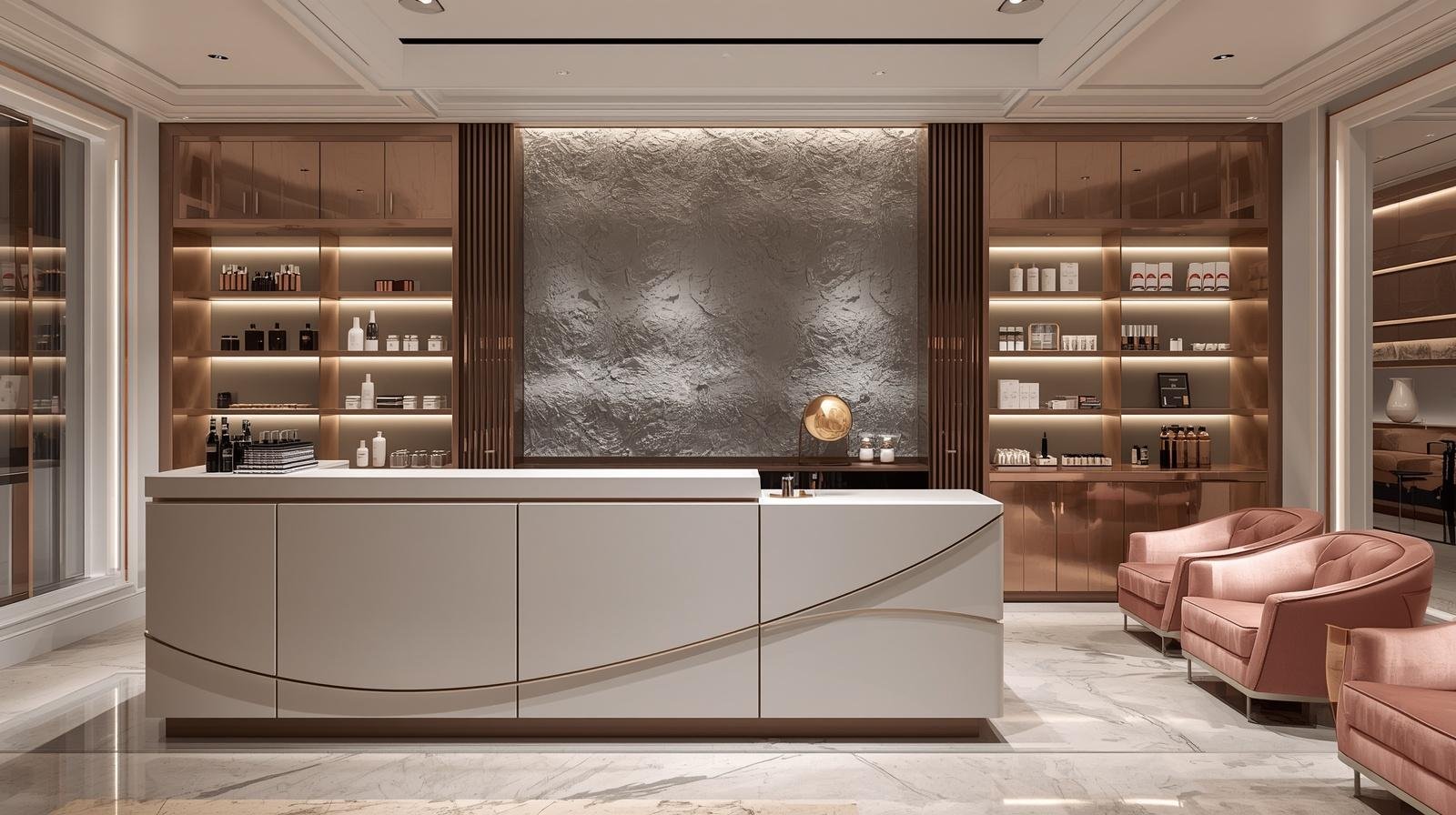
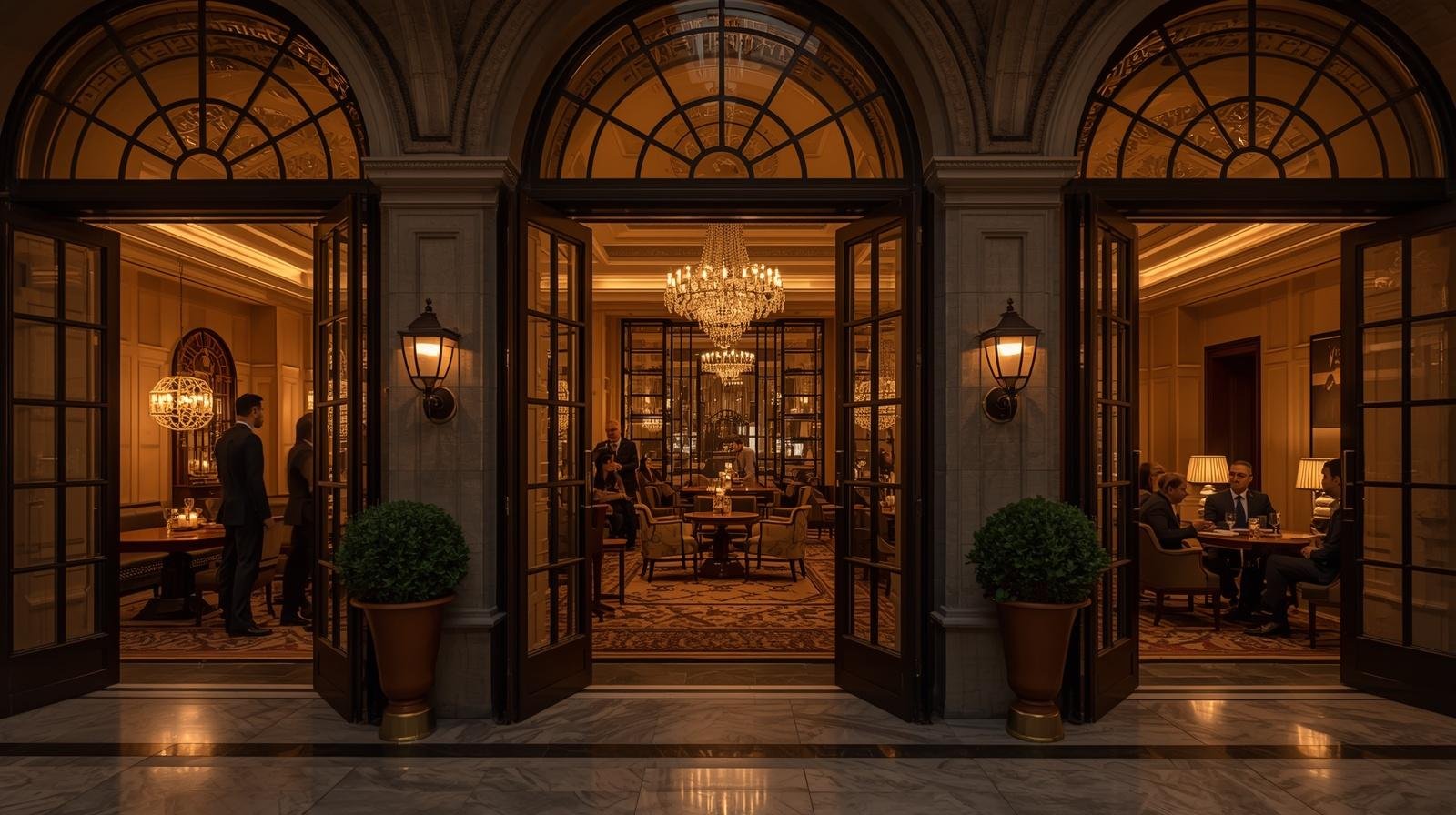
A 22,000 sq ft private club where 1930s colonial architecture frames contemporary social life—creating gathering place for India's cultural and business leaders that honors heritage without nostalgia.
The founders—successful entrepreneurs across technology, media, and finance—felt Delhi lacked gathering place appropriate to contemporary India. Existing private clubs either clung to colonial-era protocols (dress codes, arcane rules, fossilized hierarchies) or imported generic luxury club models (Soho House aesthetics divorced from local context). What they sought: members-only space that would feel distinctly Indian and unmistakably contemporary, professional yet convivial, exclusive without being stuffy. They acquired a 1930s building in Lutyens' Delhi—originally designed by British architect Robert Tor Russell as private residence, later commercial offices, recently vacant. The structure possessed exceptional bones: double-height spaces with fine plasterwork, generous proportions, quality materials. But decades of modifications had obscured original character while creating dysfunctional layout. Our brief: restore architectural integrity while transforming residential/office building into sophisticated social club. The program included multiple dining spaces (formal restaurant, casual bistro, private dining rooms), lounges varying from intimate to grand, library, meeting rooms for business use, wine cellar and tasting room, cigar lounge, outdoor terraces, and service areas supporting all this. The building's 22,000 square feet needed to accommodate these functions while maintaining residential scale and warmth—avoiding both museum-like formality and corporate blandness.
Conservation and adaptation required balancing preservation with necessary changes. We retained all significant architectural elements: original plasterwork on ceilings and cornices, teak flooring where it survived, French doors and windows, the central staircase with carved balusters, Art Deco light fixtures. These elements define the building's character; removing them would erase what makes the space special.
But we adapted spaces for contemporary use. Partition walls that subdivided grand rooms into offices were removed, revealing original proportions. New insertions—kitchen, bars, bathrooms—employed clearly contemporary detailing that contrasts with historic fabric rather than attempting false historicism. The wine cellar occupies former basement storage, its climate-controlled glass walls and modern racking systems reading as 21st-century insertions in 1930s shell.
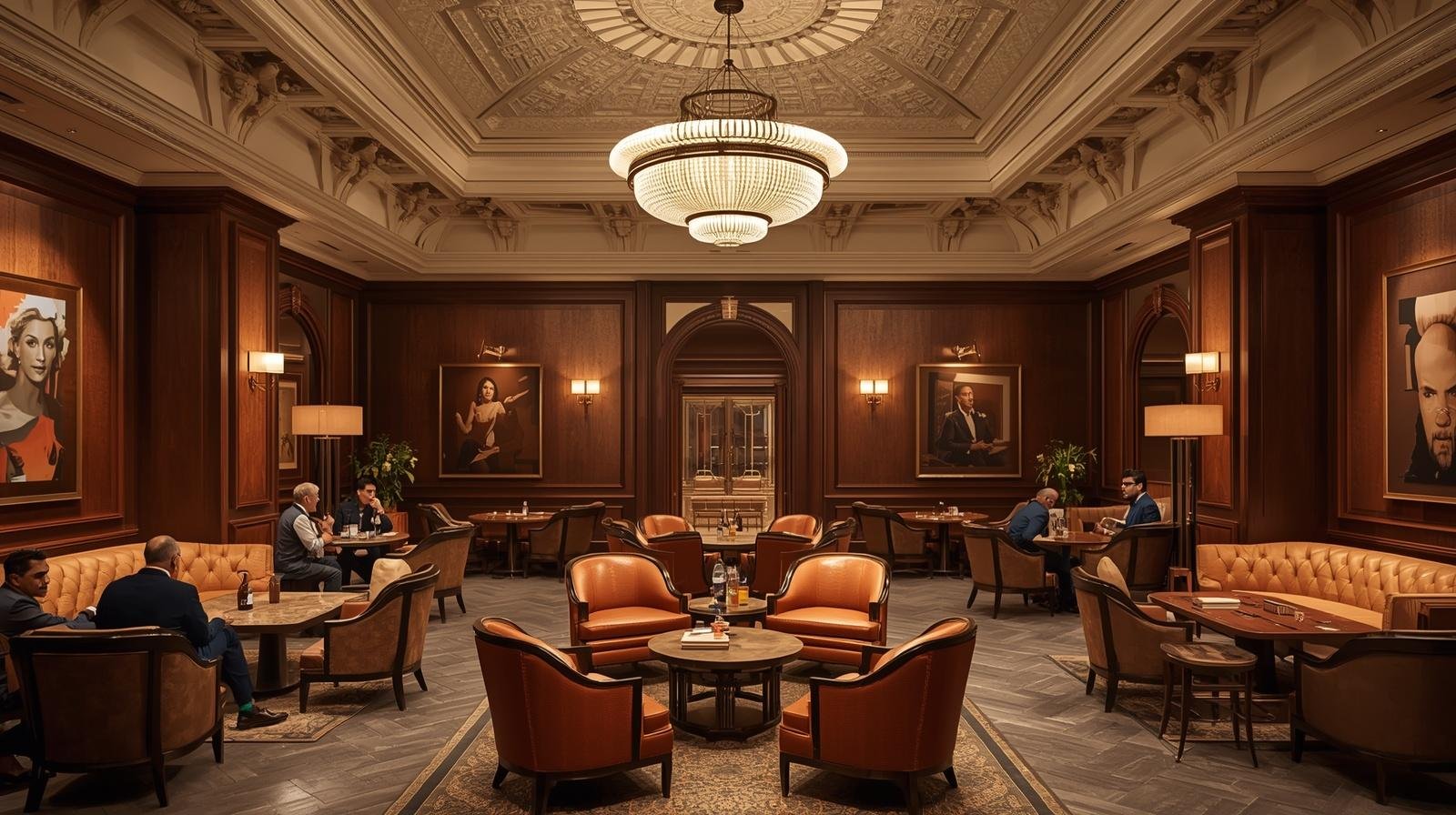
Material choices honored the building's era through honest use rather than reproduction. New flooring in service areas employs polished terrazzo—appropriate to 1930s while clearly new (different aggregate, contemporary color palette). Upholstery fabrics mix European luxury brands with Indian handloom textiles. Furniture combines custom pieces designed for specific spaces with vintage finds from Delhi's antique markets. The effect: layers of time visible and celebrated rather than homogenized into single aesthetic period.
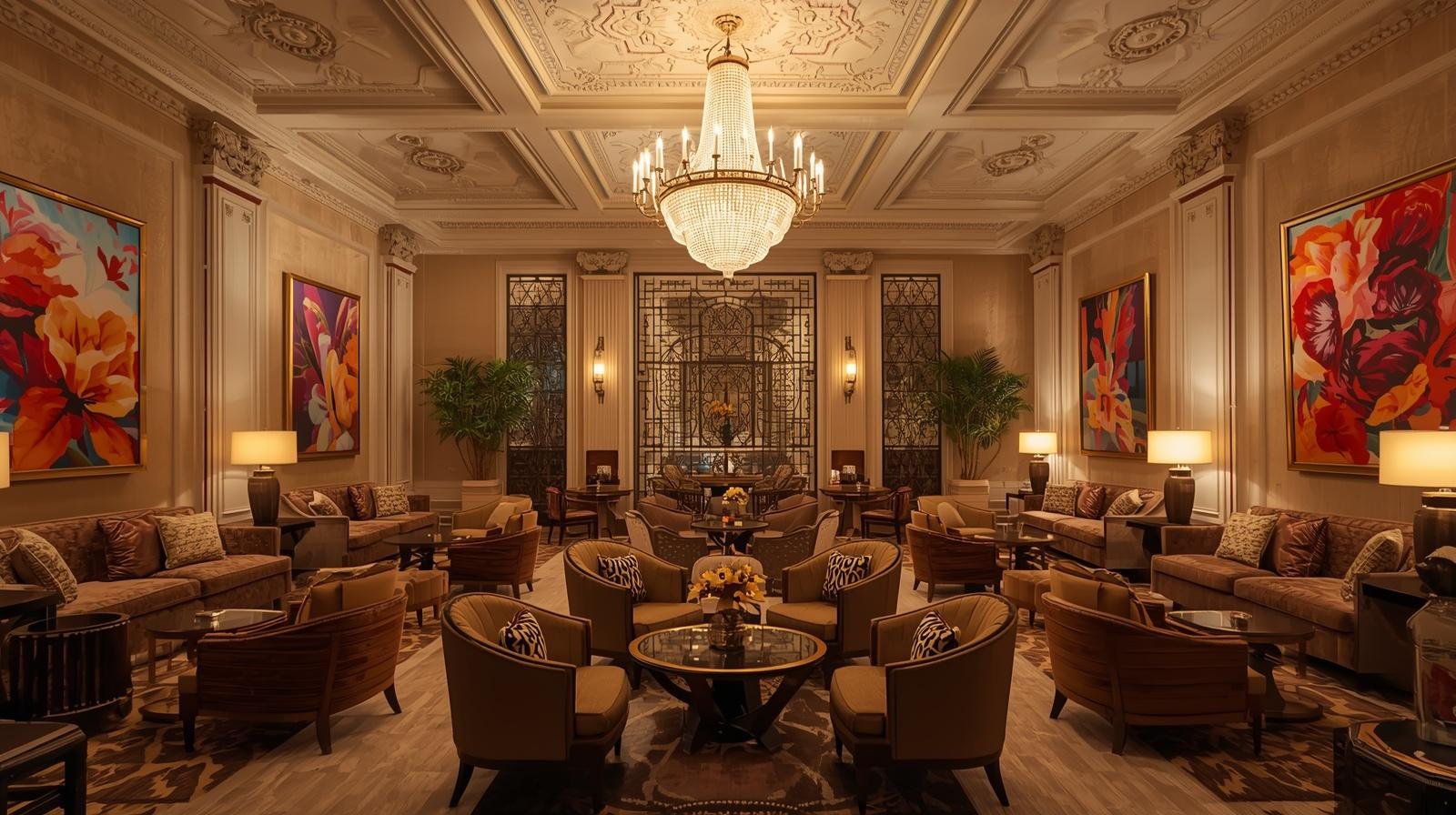
The main lounge—a double-height space that was originally the residence's drawing room—serves as the club's social heart. We restored the plasterwork ceiling to its original cream-and-gold palette, repaired the teak parquet floor (preserving its patina), and cleaned the Art Deco chandelier that had hung there since 1937. But the furniture is thoroughly contemporary: custom-designed sofas and chairs upholstered in rich velvets and leathers, arranged in multiple seating groups that create intimacy within the grand volume.
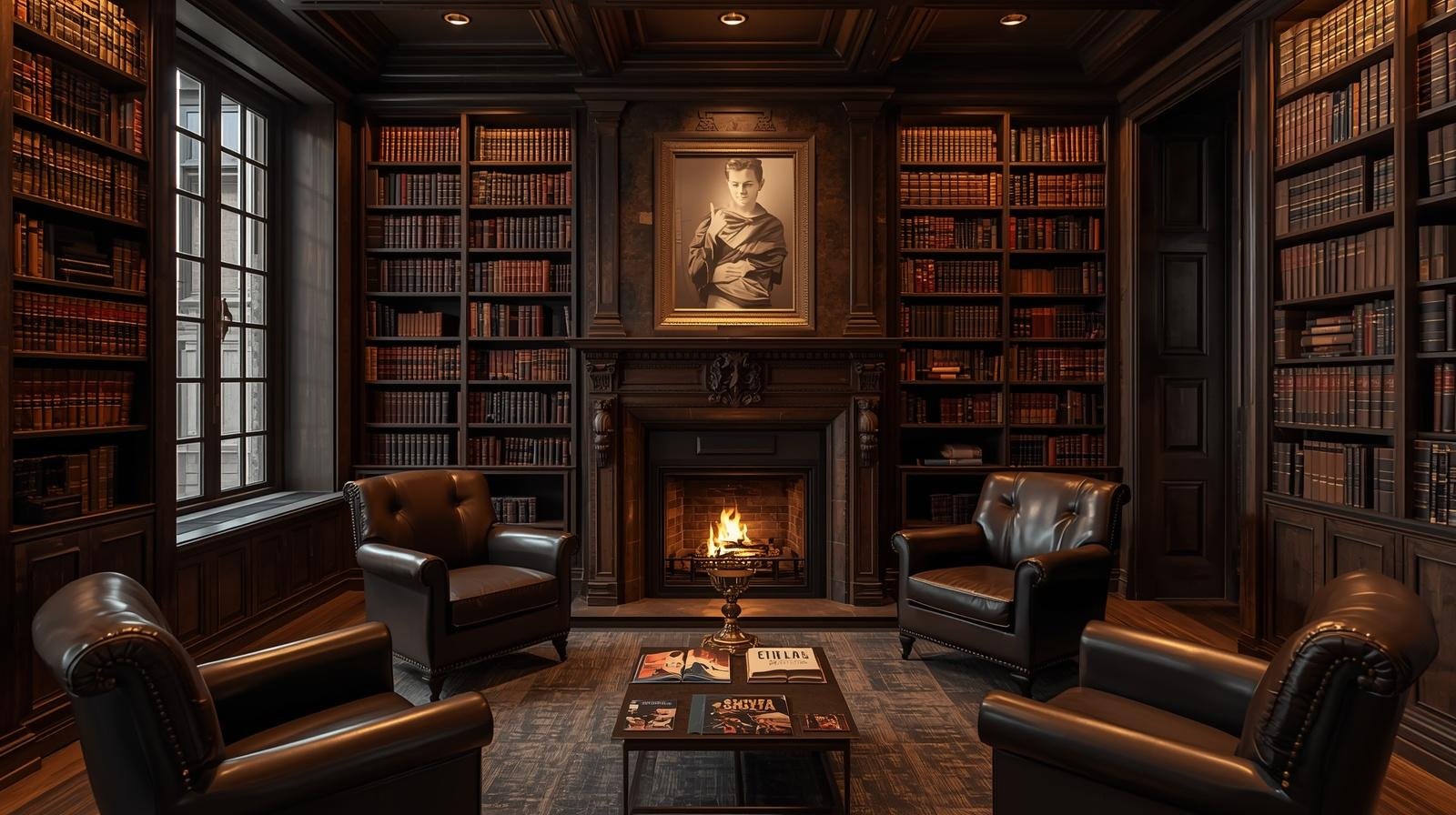
The art program, curated by Mortimer Chatterjee, features contemporary Indian artists exclusively. Large-scale works occupy prominent wall spaces—Subodh Gupta sculptures in the entry, Bharti Kher paintings in the main lounge, Atul Dodiya works in the library. Smaller pieces rotate quarterly, keeping the collection dynamic. The art reinforces the club's identity as gathering place for culturally engaged Indians rather than nostalgia-driven colonial revival.
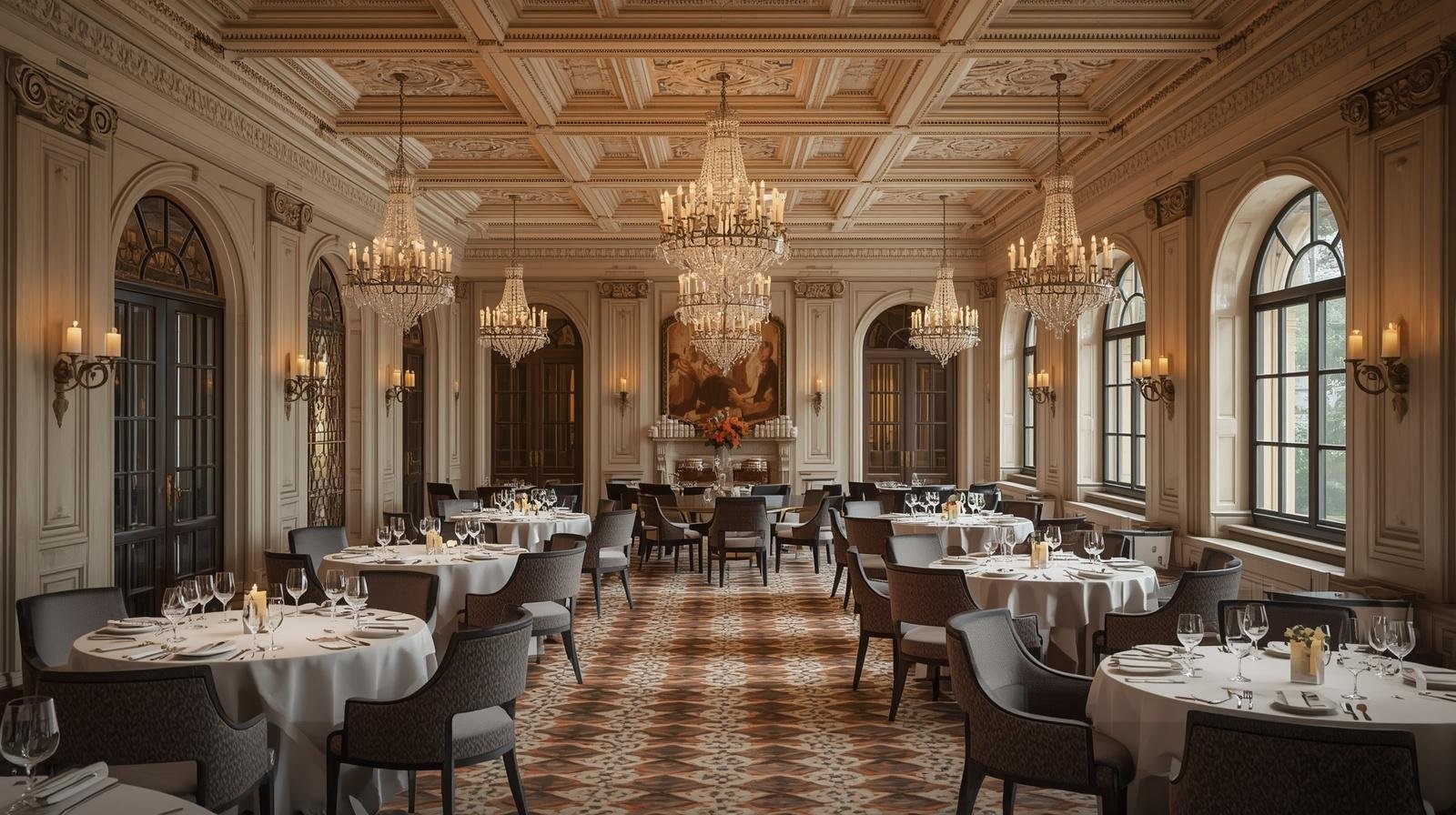
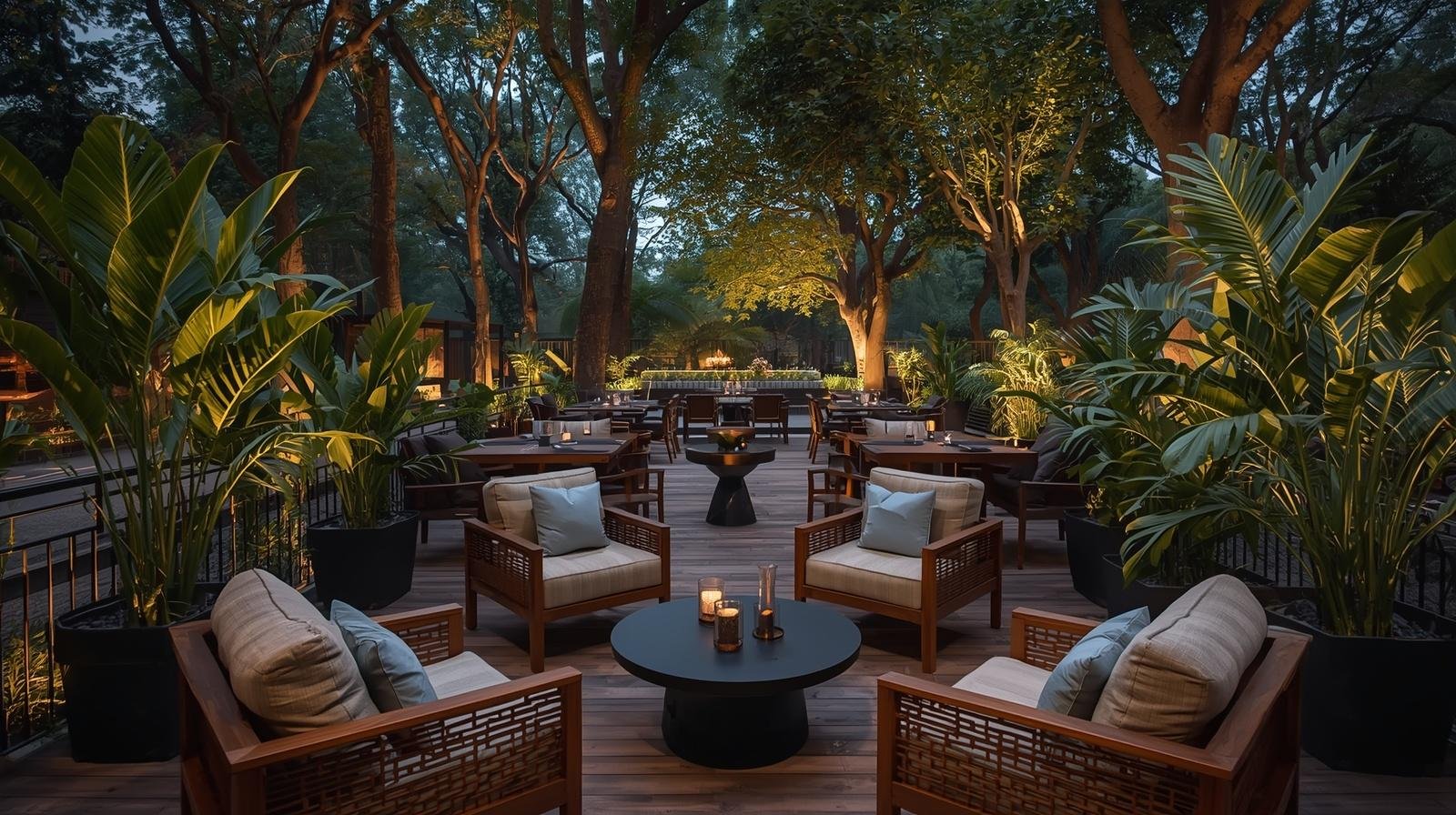
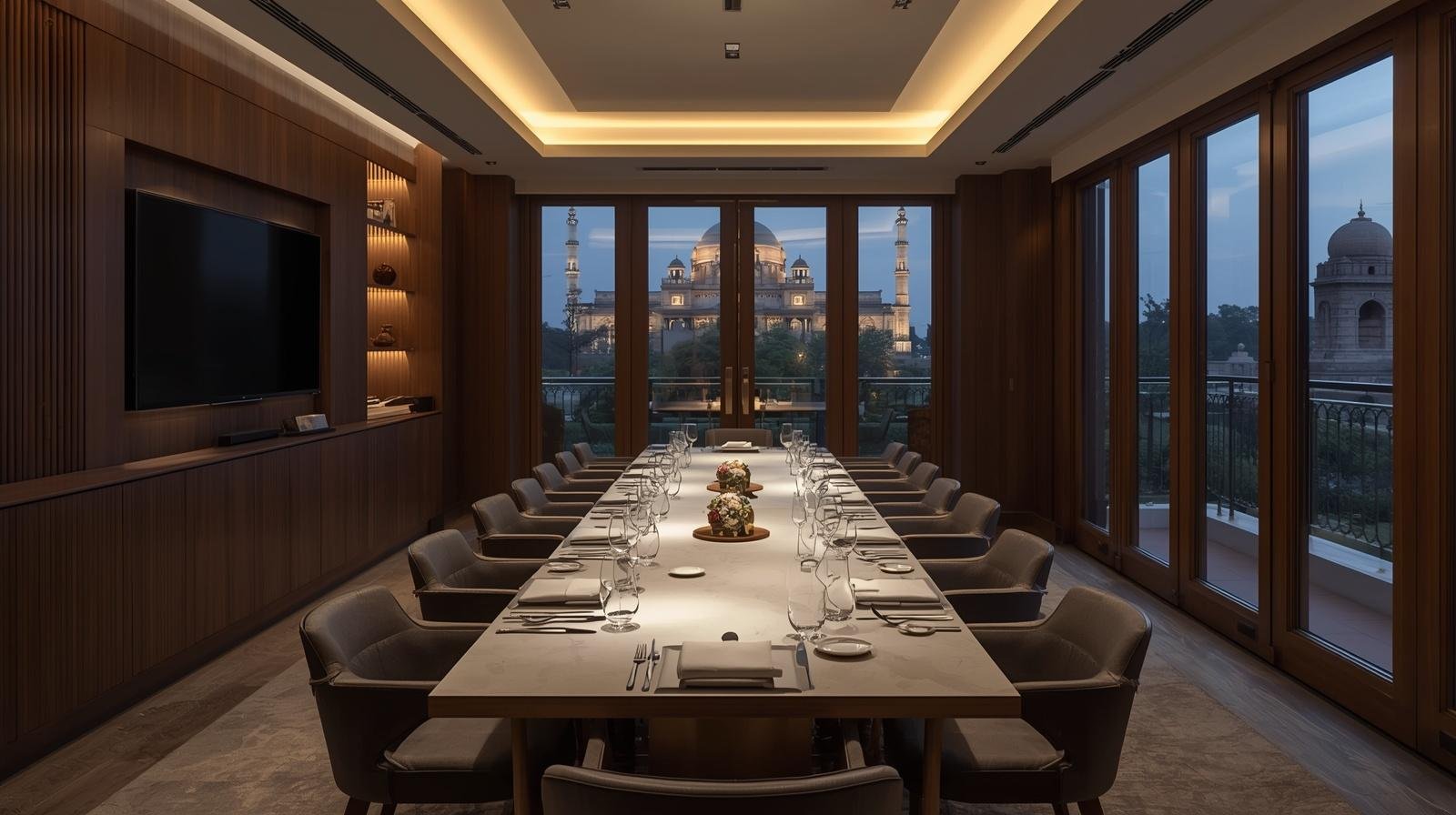
The formal dining room, once the residence's ballroom, required extensive adaptation. We removed a dropped ceiling installed in the 1970s, revealing the original coffered ceiling with decorative plasterwork. The room now seats 60 at tables that can reconfigure for various group sizes. Crystal chandeliers—period-appropriate but newly commissioned from Murano—provide ambient light. Chef Manish Mehrotra designed the menu: contemporary Indian cuisine that respects tradition while embracing innovation, matching the space's ethos. Private dining rooms—essential for business meetings requiring confidentiality—occupy the upper floor. Each room seats 6-12, employs sophisticated AV systems concealed in millwork, and connects to service corridors for discreet food delivery. The rooms received contemporary treatment—clean-lined millwork, neutral palettes—that provides professional backdrop without competing with conversations or presentations. Original windows and architectural details remain, maintaining connection to building's character. The outdoor terraces, created by opening previously enclosed verandas, extend usable area and provide alternative atmospheres. We designed custom furniture in teak (appropriate to India's climate) with comfortable cushions in outdoor fabrics. Potted plants—frangipani, jasmine, bougainvillea—create green presence without requiring extensive maintenance. The terraces offer smoking areas (something indoor club cannot provide in compliance with regulations), al fresco dining in pleasant weather, and views over Lutyens' Delhi's tree-lined streets.
"Traditional Delhi clubs make you feel like you're playing dress-up in someone else's history—maintaining protocols from colonial era that have nothing to do with contemporary India. We wanted club that honors our heritage without being trapped by it, that feels luxurious without being exclusionary."— Vikram Malhotra, Founding Member
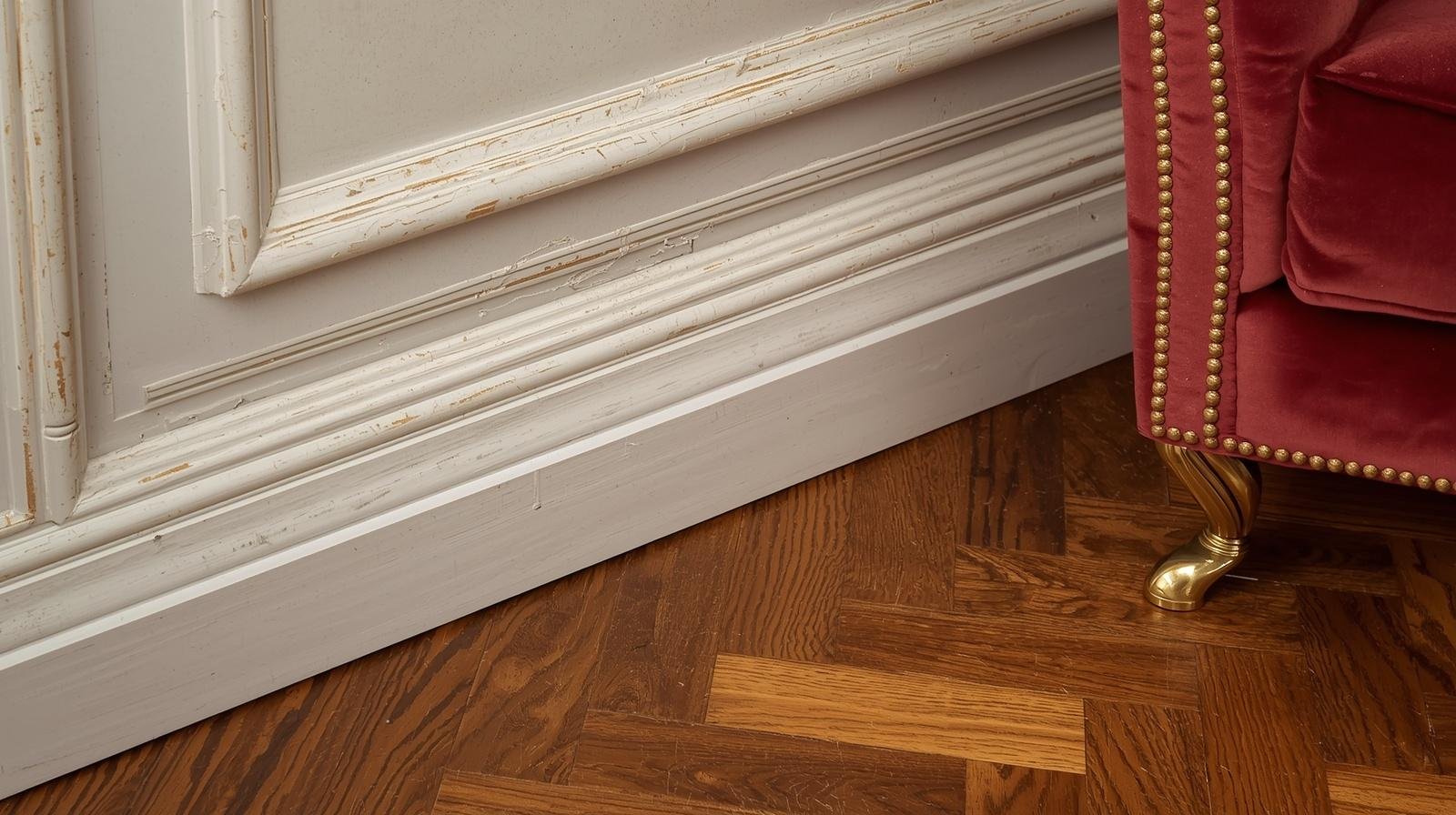
Conservation-grade repair, period-appropriate finishes
All original plaster ceilings, cornices, and decorative elements were carefully restored by conservation specialists. Damaged sections were repaired using traditional lime plaster techniques, new work intentionally matched to existing. The decorative plasterwork was cleaned using gentle methods (no harsh chemicals), then repainted in period-appropriate palette determined through paint analysis. The work required eight months and represents approximately 4,000 hours of specialist labor.
Original 1930s floors, restored and preserved
Where original teak parquet survived, we preserved it. The floors were carefully cleaned, damaged sections repaired using salvaged period parquet, then finished with natural oil rather than polyurethane. We deliberately preserved the floors' patina—evidence of 90 years of use—rather than sanding to raw wood. The result: floors that tell history while remaining beautiful and functional. In areas where original floors were too damaged or missing, we installed new wide-plank teak finished to complement existing.
Period-appropriate designs, contemporary execution
All new built-in elements—the library shelving, bar backs, wine displays, meeting room cabinetry—were designed to complement the building's 1930s character without imitating it. We employed period-appropriate proportions and details but executed them with contemporary precision and materials. The millwork uses solid teak and rosewood, traditional joinery techniques, and brass hardware commissioned from Indian artisans. Everything was fabricated in our Delhi workshop to exact specifications.
European luxury fabrics, Indian handloom textiles
Furniture upholstery mixes European luxury brands (Rubelli velvets, Loro Piana cashmeres) with Indian handloom textiles from Maheshwar and Varanasi. The combination creates richness while supporting traditional craft. All cushions employ down-and-feather fills (no foam), creating comfort appropriate to residential-scale spaces. The fabrics were selected for durability—club furniture sees heavy use—while maintaining luxurious feel.
Period-inspired designs, contemporary LED technology
Lighting fixtures throughout were custom-designed to complement 1930s architecture while employing contemporary technology. The main lounge's chandelier, though original to the building, was completely rewired with LED lamps that mimic incandescent warmth. New fixtures in bars and dining rooms reference Art Deco forms but employ modern materials—hand-blown glass from Delhi artisans, brass fittings from Moradabad, LED sources with dimming capabilities.
Private clubs succeed or fail based on culture as much as architecture. The founders were explicit: they wanted club that would attract India's emerging leaders—entrepreneurs, artists, media professionals, cultural figures—rather than inherited-wealth establishment. This demographic shaped every design decision.
The club opened eighteen months ago with 300 founding members. Current membership stands at 850 with waiting list of 200-plus. This growth validates the founders' thesis: Delhi wanted gathering place for contemporary India that didn't require adopting colonial-era protocols or surrendering local identity. The space itself has evolved organically. Certain seating areas have become established territories—tech entrepreneurs favor the library's quieter zones, media professionals gather in the main lounge, artists congregate on the terraces. The staff now knows preferred tables and drinks for regular members. This personalization, impossible to manufacture, emerges from genuine use over time. For us, this project demonstrates that adaptive reuse of colonial-era buildings needn't mean either preservation-society reverence or hipster irony. The building's 1930s character provides distinctive identity while contemporary program and aesthetics keep it relevant. The club isn't nostalgia trip—it's active participant in contemporary Delhi life, housed in structure that survived long enough to gain another chapter. This broader impact validates our conviction that interior design can facilitate culture and community, not merely provide backdrop for it. The thoughtful adaptation of this building created physical space for certain conversations and connections to happen. Without claiming too much credit, we believe good design enabled good outcomes—spaces that honor history while serving present, that feel exclusive without being exclusionary, that celebrate Indian identity without nationalist posturing.
We collaborate with club founders and hospitality entrepreneurs creating exclusive gathering spaces that balance heritage preservation with contemporary needs. Our approach honors architectural character while enabling vibrant social life.
Begin Conversation