



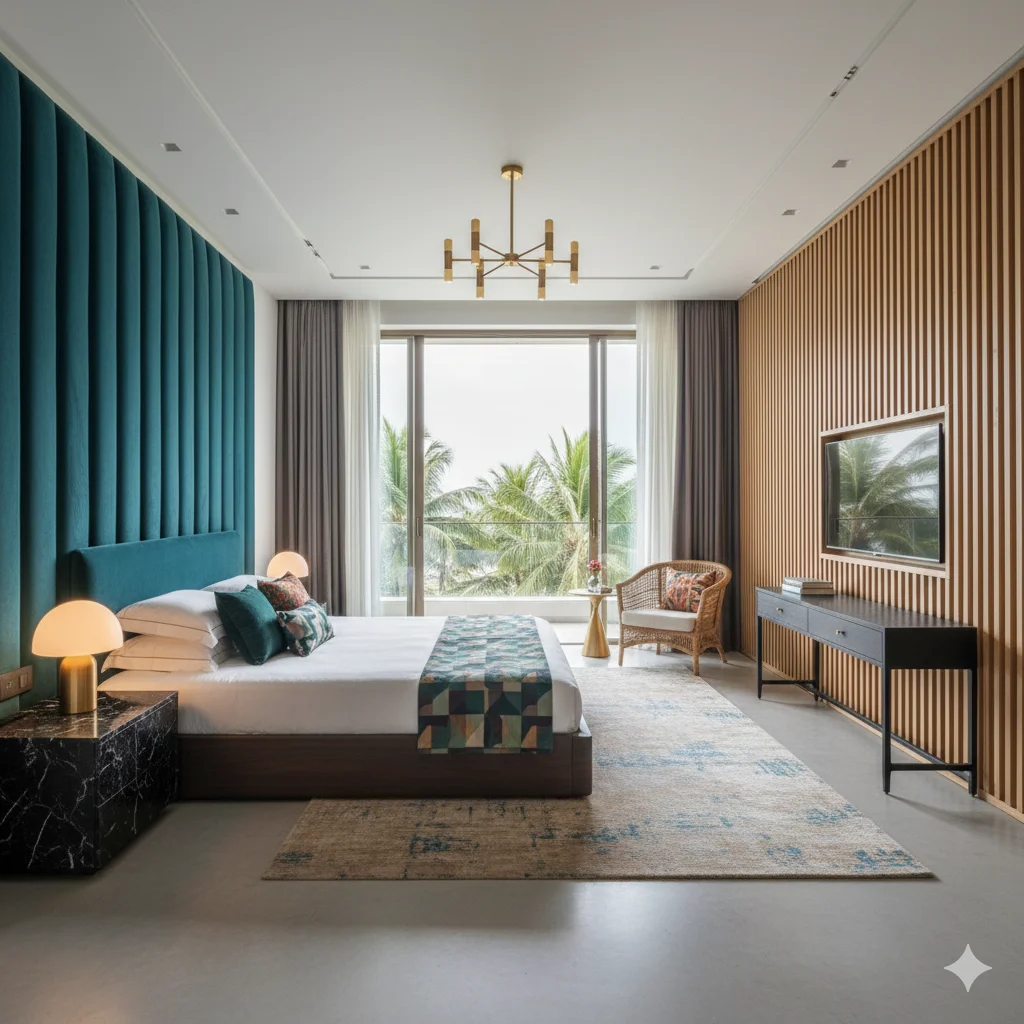
Interior Design & Luxury Living
In the sprawling landscape of contemporary interior design, where Scandinavian minimalism and European luxury have long dominated global conversations, a remarkable renaissance is quietly unfolding in the artisanal workshops of Delhi. Here, amid the rhythmic sounds of traditional tools against sustainably sourced timber and the gentle gleam of hand-forged metals, Crosby Project is orchestrating something extraordinary: the elevation of Indian craftsmanship to the pinnacles of international luxury design.
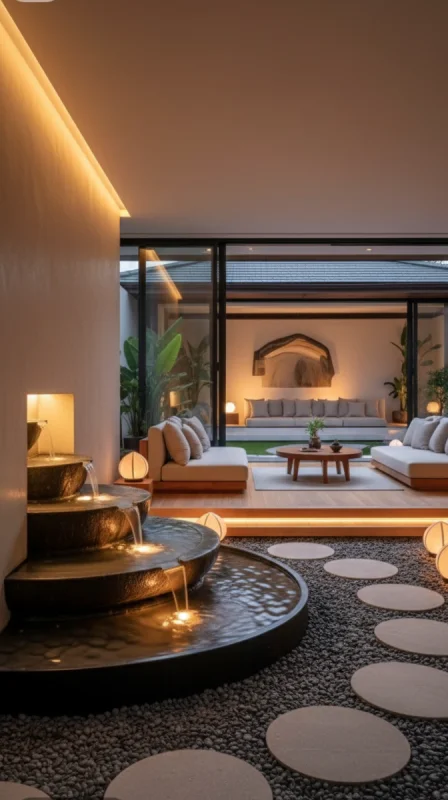
This transformation represents more than a business success story—it embodies a cultural awakening, where centuries-old Indian artisanal traditions meet contemporary global sensibilities, creating luxury experiences that honor both heritage and innovation. As the world increasingly seeks authenticity in an age of mass production, Crosby Project has positioned itself at the forefront of what many consider the most significant shift in luxury interior design philosophy in decades.
From Vision to Global Recognition
The journey of Crosby Project began with a fundamental question: why should luxury always be defined by European aesthetics and foreign manufacturing? Founded on the principle that Indian craftsmanship deserves its place among the world’s finest luxury offerings, the company has systematically dismantled preconceptions about what constitutes premium interior design.
Unlike traditional interior design firms that primarily source and arrange imported luxury pieces, Crosby Project has built an integrated ecosystem that spans conceptual design, architectural consultation, custom manufacturing, and complete project execution. This holistic approach ensures that every element—from structural modifications to the smallest decorative detail—speaks a unified design language rooted in conscious luxury principles.
Their Delhi-based manufacturing workshop has become the beating heart of this operation, where over 50 skilled artisans practice techniques passed down through generations. Here, traditional brass inlay work meets contemporary spatial requirements, hand-carved elements become integral architectural features, and time-honored joinery techniques create structurally superior pieces designed for generations of use.
The Philosophy of Conscious Luxury
What distinguishes Crosby Project from conventional luxury brands is their unwavering commitment to what they term “conscious luxury”—a philosophy that positions environmental stewardship and cultural authenticity as essential components of true luxury, rather than optional add-ons. This approach challenges the industry’s historical disconnect between luxury consumption and environmental responsibility.
In Crosby’s interpretation, genuine luxury cannot exist without consciousness about impact—both environmental and social. Every material is thoughtfully selected for sustainability credentials, every technique is chosen for its minimal environmental footprint, and every project is designed to support artisan communities while creating spaces of extraordinary beauty.
This philosophy resonates particularly strongly with contemporary luxury consumers, who increasingly seek meaning beyond mere aesthetics. Today’s discerning buyers want to understand the provenance of their purchases, the impact of their choices, and the stories embedded within their living spaces. Crosby’s transparent approach to sourcing, manufacturing, and artisan partnerships provides exactly this depth of meaning.
Global Projects, Local Soul
The true test of any luxury brand lies in its ability to translate its vision across diverse cultural and geographic contexts while maintaining authentic identity. Crosby Project’s international portfolio demonstrates this capability with remarkable success, proving that authentic Indian craftsmanship requires no cultural translation to speak to global luxury sensibilities.
Their Manhattan apartment project exemplifies this cross-cultural fluency. In this 320-square-meter space, traditional Indian metalwork created contemporary lighting fixtures that became the apartment’s signature elements. Hand-carved screens, reimagined through contemporary spatial planning, provided privacy while celebrating the interplay of light and shadow—a fundamental principle of traditional Indian architecture adapted for modern urban living.
Similarly, their London penthouse project showcased how traditional jaali patterns could be transformed into sophisticated room dividers, creating functional art that honored cultural heritage while meeting contemporary lifestyle needs. These projects demonstrate that when craftsmanship quality reaches exceptional levels, cultural authenticity becomes a strength rather than a limitation.
The success of these international projects has opened new conversations about the role of cultural identity in global luxury markets. Rather than homogenizing design to meet perceived international standards, Crosby Project has proven that authentic cultural expression can enhance luxury appeal, particularly among consumers seeking unique and meaningful design experiences.
The Integrated Design Approach
Crosby Project’s methodology transcends conventional interior decoration through their six-discipline integration model, seamlessly weaving architecture, interior design, landscaping, construction, premium furniture creation, and in-house manufacturing into cohesive luxury experiences. This integration allows unprecedented control over quality, design integrity, and project outcomes.
The architectural consultation phase begins with profound discovery—understanding not just spatial requirements but lifestyle rhythms, cultural values, and aspirational visions. Through intimate conversations, comprehensive site analysis, and cultural exploration, they establish foundations for environments that reflect not merely how clients live, but how they wish to feel within their spaces.
Their planning phase transforms vision into precision through comprehensive strategies that harmonize design innovation with sustainable practices. Every blueprint, timeline, and specification reflects their commitment to conscious luxury, ensuring seamless integration of custom elements while maintaining environmental responsibility.
The design development process showcases Crosby’s signature creative philosophy, where master artisans craft bespoke spatial compositions and custom furnishing concepts. They present curated material palettes featuring sustainably sourced options, handcrafted millwork details, and immersive 3D visualizations that help clients understand how traditional techniques translate into contemporary luxury.
Finally, their realization phase demonstrates true project mastery, conducting comprehensive final inspections to ensure every artisanal detail perfectly embodies the shared vision. The careful orchestration of bespoke furnishing placement and curated finishing touches transforms spaces into extraordinary sanctuaries of conscious luxury.
The Artisan Renaissance
Behind every Crosby creation lies a network of skilled artisans whose expertise represents one of India’s most precious cultural resources. These craftspeople—many representing fourth and fifth-generation traditions—practice techniques that predate colonial influence, their skills refined through decades of dedicated practice.
The brass inlay work adorning a contemporary console follows the same meticulous processes their grandfathers used, yet the final forms speak fluently to contemporary spatial sensibilities. Traditional woodcarving techniques create furniture pieces that serve modern functional requirements while carrying forward centuries of aesthetic wisdom.
This artisan empowerment model adds profound meaning to luxury purchases. Clients understand that their investment supports not just their own lifestyle enhancement but also the preservation of traditional skills and the provision of sustainable employment for Indian craftspeople. This transparency about the making process—from workshop to final installation—provides authenticity that resonates deeply with conscious luxury consumers.
The workshop environment itself embodies Crosby’s values, where fair wages, skills training, and respectful working conditions ensure that traditional craft preservation occurs within frameworks of dignity and sustainability. Young apprentices learn from master craftspeople, ensuring these techniques survive into future generations while evolving to meet contemporary requirements.
Sustainability as Luxury Standard
Environmental consciousness isn’t peripheral to Crosby’s luxury proposition—it’s fundamental to their definition of true luxury. In an era where environmental impact awareness grows daily, they’ve repositioned environmental stewardship as the ultimate luxury consideration, proving that conscious choices can enhance rather than compromise aesthetic experiences.
Their material sourcing emphasizes local suppliers and sustainable practices wherever possible. Traditional finishing techniques often prove more environmentally friendly than industrial alternatives, while the longevity inherent in handcrafted pieces means fewer replacements and significantly less waste over time.
The use of reclaimed and responsibly sourced materials doesn’t compromise luxury quality—it enhances it through unique patinas, character marks, and the knowledge that each piece contributes positively to environmental outcomes. Clients increasingly view these sustainable choices as luxury upgrades rather than compromises, understanding that environmental responsibility represents sophisticated contemporary thinking.
Energy-efficient design integration ensures that beauty and environmental performance work harmoniously. Traditional Indian architectural principles—such as natural ventilation, solar orientation, and thermal mass utilization—are reinterpreted through contemporary design language to create spaces that perform exceptionally while maintaining visual excellence.
Technology Enhanced Tradition
While honoring traditional craftsmanship, Crosby Project strategically employs technology to enhance rather than replace human artistry. Advanced 3D visualization helps international clients understand how traditional techniques translate into contemporary spaces, while comprehensive cost calculators democratize access to luxury design consultation.
Their sophisticated project management systems ensure seamless coordination across international projects, managing complex logistics, customs procedures, and installation requirements while maintaining the personal attention that luxury clients expect and artisanal work demands.
Digital documentation of traditional techniques helps preserve knowledge while making it accessible to new generations of craftspeople. This technology integration amplifies artisan voices globally, enabling workshop expertise to reach clients worldwide through virtual consultations and detailed project presentations.
However, technology always serves tradition rather than replacing it. The final determination of quality, the assessment of aesthetic harmony, and the understanding of cultural appropriateness remain firmly within human expertise, particularly the refined sensibilities of master craftspeople whose knowledge cannot be digitized.
Market Impact and Industry Evolution
Crosby Project’s success represents something larger than individual business achievement—it provides proof that Indian luxury brands can compete internationally on innovation and quality rather than price alone. Their market position challenges long-held assumptions about luxury origin stories and manufacturing locations.
The company’s growth trajectory—with international projects now comprising a significant portion of their portfolio—demonstrates market appetite for authentic, culturally grounded luxury experiences. Their cost calculator generates hundreds of monthly inquiries, while custom furniture pieces command prices comparable to established European luxury brands, proving that quality and authenticity create premium value.
This success has inspired broader conversations about the future of Indian luxury brands in global markets. Industry observers note that Crosby’s approach—emphasizing cultural authenticity, environmental consciousness, and artisan empowerment—may represent a template for how Indian luxury brands can establish global presence while maintaining distinctive identity.
The ripple effects extend beyond business metrics. International design publications increasingly feature Indian craftsmanship, luxury retailers express growing interest in authentic Indian luxury brands, and global consumers demonstrate willingness to pay premium prices for culturally meaningful, sustainably produced luxury goods.
The Future of Conscious Luxury
As global luxury markets continue evolving toward greater consciousness and authenticity, Crosby Project’s positioning appears increasingly prescient. They’re not merely responding to trends—they’re creating them, establishing new standards for what luxury interior design can and should represent in an environmentally conscious age.
Looking ahead, the company’s expansion plans include additional international showrooms, partnerships with luxury hospitality brands, and collaborations that will further showcase Indian craftsmanship on global stages. However, growth doesn’t mean abandoning Delhi roots—their workshop remains the creative heart, with every expansion designed to amplify rather than dilute their authentic voice.
The broader implications suggest a future where luxury consumers expect transparency, authenticity, and environmental responsibility as baseline standards rather than exceptional features. Brands that can provide these qualities while maintaining aesthetic excellence and functional performance will define the next generation of luxury leadership.
Conclusion: Crafting Cultural Legacy
In the quiet concentration of Crosby’s Delhi workshop, where traditional tools shape contemporary luxury, something profound is occurring. Each piece created carries forward not just aesthetic beauty but cultural knowledge, environmental consciousness, and social responsibility. These aren’t simply furniture pieces—they’re cultural artifacts that will themselves become tomorrow’s heritage.
The sounds of traditional woodworking, metalcraft, and finishing techniques continue in spaces where master artisans pass knowledge to eager apprentices, ensuring that centuries of Indian craftsmanship wisdom survives and evolves for future generations. This represents luxury’s most profound potential—the ability to honor the past while creating meaningful futures.
As the global luxury landscape becomes increasingly homogenized by mass production and international standardization, Crosby Project offers something precious: authenticity that enhances rather than sacrifices sophistication, tradition that embraces rather than resists innovation, and luxury that considers its impact on both inhabitants and environment.
Their success story illuminates a path forward for conscious luxury—one where cultural heritage, environmental stewardship, and aesthetic excellence combine to create experiences that satisfy not just immediate desires but deeper longings for meaning, connection, and positive impact. In this vision, luxury becomes not just about having beautiful things, but about participating in beautiful stories that honor both human creativity and planetary wellbeing.
Crosby Project’s conscious luxury interior design services span residential and commercial projects across India and international markets. Experience the future of authentic luxury at thecrosbystore.com
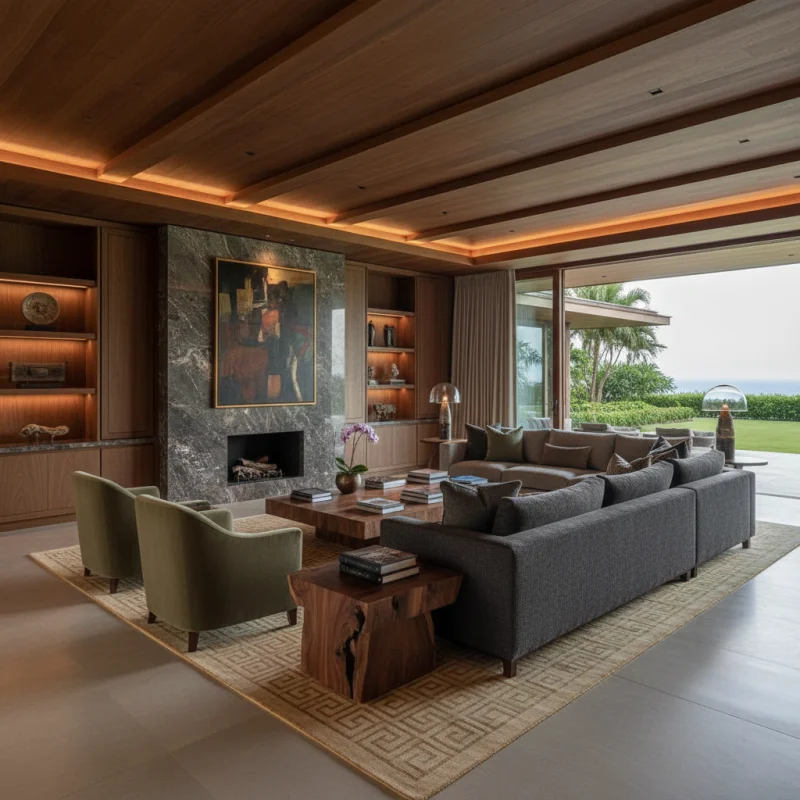












 Bedroom