



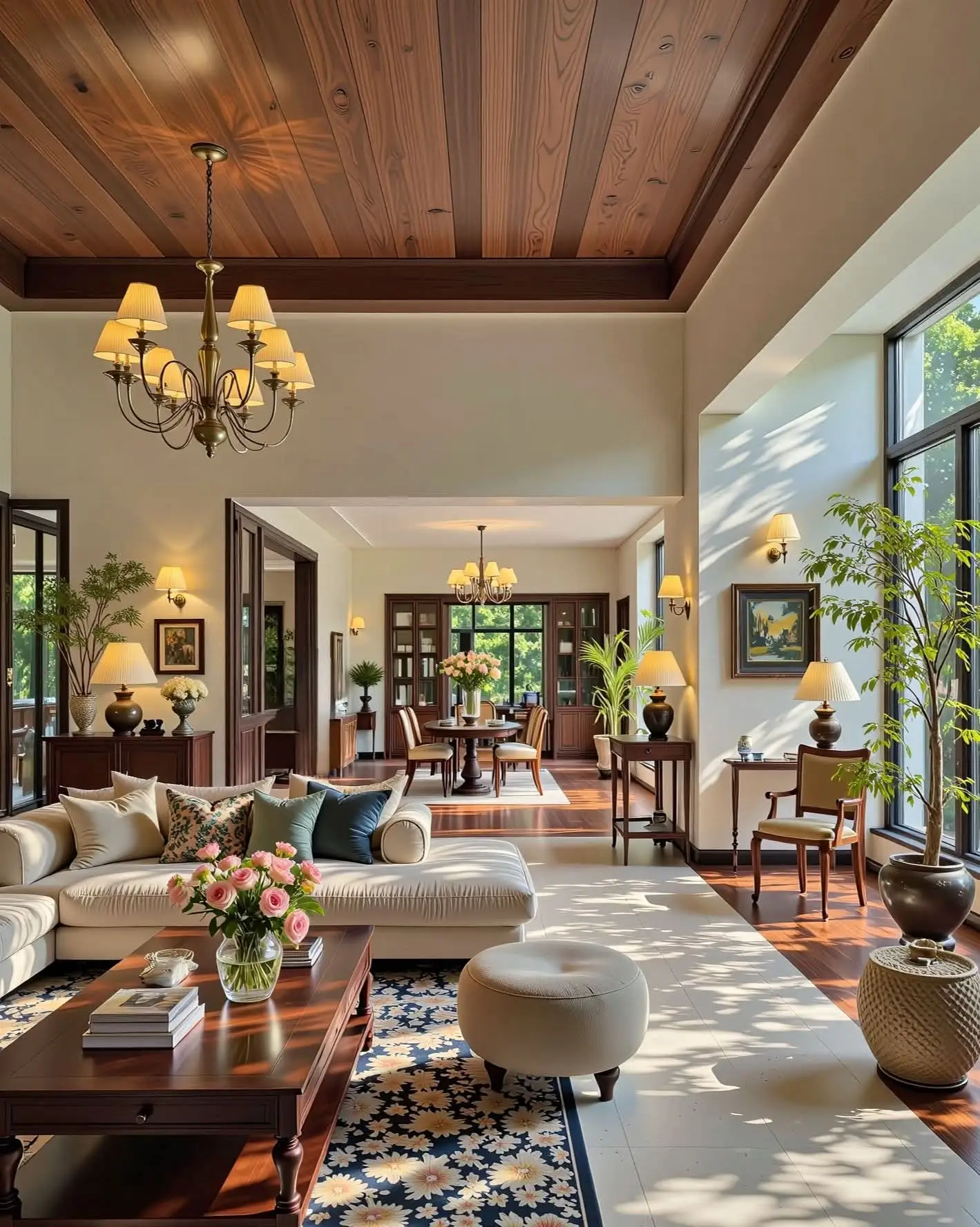
An insider’s guide to Dubai’s most coveted addresses and how discerning residents are creating distinctive homes through bespoke design and artisanal craftsmanship
Published: December 2025 | Reading Time: ~14 minutes | Category: Luxury Living & Global Markets
The call came late on a Thursday evening to our Dubai office in Jumeirah Lake Towers. A client had just taken possession of a penthouse in Palm Jumeirah and needed furniture that could hold its own against floor-to-ceiling views of the Arabian Gulf. Not just any furniture—pieces substantial enough to anchor rooms that felt like they were suspended in sky and sea, yet refined enough to complement architecture that had cost more than most people spend on an entire estate.
This conversation happens with surprising regularity in Dubai, a city where residential luxury operates on a scale that would be considered excessive almost anywhere else. Where a “modest” apartment might span 3,000 square feet, where walk-in closets are larger than studio apartments in London, where the question isn’t whether to have a home cinema but whether to have two.
Yet for all its extravagance, Dubai’s luxury residential market has matured considerably over the past decade. The flashy excess that characterized early developments has given way to something more sophisticated—a quiet luxury that values craftsmanship, authenticity, and timelessness over mere spectacle. This evolution has created extraordinary opportunities for those of us who create bespoke furniture and interiors, as residents seek pieces worthy of their remarkable homes.
Having worked extensively across Dubai’s premium residential communities through our international office, we’ve developed intimate knowledge of what makes each neighborhood distinctive and what design approaches work best in these spaces. This isn’t information you’ll find in real estate brochures or lifestyle magazines. It’s knowledge earned through years of delivering custom furniture to penthouses and villas, understanding how desert light transforms throughout the day, learning which finishes survive the unique climate challenges of Gulf living.
The New Geography of Prestige
Dubai’s residential landscape has undergone seismic shifts since the early days when Emirates Hills stood alone as the pinnacle of luxury living. Today, prestige is distributed across multiple communities, each offering distinct lifestyles and attracting different demographics. Understanding these distinctions matters tremendously if you’re furnishing a home here, as the architecture, scale, and social context of each community demands different design approaches.
Palm Jumeirah remains iconic, though its cachet has evolved. The early residents were often international investors seeking trophy properties. Today’s Palm dwellers tend to be more established, often families who’ve lived in Dubai for years and want the unique lifestyle the Palm offers—private beaches, resort-style amenities, that incomparable address. The homes here are grand, designed for entertaining on a scale that would be impractical elsewhere. When we furnish Palm residences, we’re creating pieces that need to work for intimate family dinners and parties of fifty guests. Scale is everything—furniture needs substantial presence to avoid being dwarfed by rooms that often span forty or fifty feet in length.
Emirates Hills and The Meadows continue attracting established families, often executives with long-term Dubai commitments. These communities offer something increasingly rare in Dubai—genuine greenery, mature landscaping, a sense of being cocooned from the city’s frenetic energy. The villas here tend toward traditional luxury, often with formal dining rooms, libraries, multiple living spaces. Our work in these communities leans classical, though interpreted through a contemporary lens—traditional craftsmanship and forms executed with clean lines and restrained ornamentation.
But the real story of Dubai luxury real estate over the past five years has been the emergence of ultra-premium communities that have redefined what’s possible. Dubai Hills Estate, Mohammed bin Rashid City, and developments in Dubai Creek Harbour are attracting a new generation of residents who want cutting-edge architecture, world-class amenities, and that elusive quality so difficult to achieve in a young city—genuine community.
Downtown Dubai, once dominated by investors and short-term residents, has developed a surprising residential character. The opening of schools, organic grocers, independent cafes—the infrastructure of actual living rather than just residing—has attracted families willing to trade villa space for the energy and convenience of vertical living. The apartments here, particularly in newer developments like The Address Residences and Opera District, are being furnished with increasing sophistication. Residents want European-quality interiors—custom joinery, bespoke furniture, finishes that feel permanent rather than temporary.
The Architecture of Gulf Luxury: Design Challenges and Opportunities
Working in Dubai presents unique challenges that profoundly influence furniture and interior design. The climate is the obvious one—summer temperatures that regularly exceed 45°C, humidity that can spike dramatically, UV radiation so intense it can fade fabrics in months. But there are subtler challenges that matter just as much.
The light here is fundamentally different from what we experience in India or Europe. Desert light has a quality that’s simultaneously brilliant and harsh, particularly during midday hours. Colors that appear vibrant in London or Delhi can look washed out in Dubai’s intense sunlight. This affects every design decision—wood tones need careful selection, as some species that photograph beautifully appear yellowed and sickly under Gulf light. We’ve learned to specify slightly cooler tones than we might use in India, knowing Dubai’s warm light will shift them toward warmth.
The architectural scale of Dubai luxury residences creates proportion challenges rarely encountered elsewhere. A sofa that feels substantial in a Mumbai apartment appears diminutive in a Dubai villa with fourteen-foot ceilings and rooms that might be fifty feet long. We compensate by creating furniture with greater visual weight—deeper seats, higher backs, more substantial bases. A dining table that seats eight people in Delhi might need to seat twelve in Dubai, not because the family is larger but because the room demands that scale.
Air conditioning, running almost constantly for eight months of the year, creates its own issues. Wood movement from humidity fluctuation, though less dramatic than monsoon-to-summer variation in India, still requires attention in joinery design. We use quarter-sawn timber where possible for greater dimensional stability, incorporate expansion allowances in joinery, and specify finishes that accommodate minor movement without cracking.
The good news? Dubai residents who invest in premium homes increasingly appreciate quality craftsmanship. They understand that furniture designed for this climate, crafted from materials selected for their stability and finished with appropriate treatments, will outperform mass-produced alternatives by decades. This creates market space for what we do best—creating bespoke pieces engineered for their specific environment.
Community Profiles: Where Different Lifestyles Shape Different Design Needs
Let me take you through the communities where we work most actively, sharing what we’ve learned about each through years of creating furniture for residents there.
Palm Jumeirah: Where the Gulf Becomes Your Garden
The Palm attracts what I call “confident luxury”—residents comfortable with their wealth, uninterested in proving anything. These are often second or third homes, vacation properties used for extended Dubai stays. The design brief typically emphasizes entertaining, outdoor-indoor flow, and taking advantage of those extraordinary water views.
We recently completed furniture for a Signature Villa—these are the properties at the Palm’s outer fronds, offering 180-degree Gulf views. The challenge was creating pieces substantial enough to anchor vast spaces while not blocking sight lines to the water. We designed a modular seating system in weathered teak and outdoor-grade upholstery that could be reconfigured for different gathering sizes. The dining table—a single slab of sustainably sourced Indian rosewood spanning sixteen feet—needed to seat fourteen comfortably while maintaining visual lightness. We achieved this through a sculptural base design that appeared to float despite supporting tremendous weight.
The lesson of the Palm: go big or go home. Timidity doesn’t work here. The architecture is bold, the views are dramatic, the lifestyle is expansive. Furniture needs confidence to belong.
Emirates Hills: Traditional Luxury Reimagined
If the Palm is about drama, Emirates Hills is about established elegance. This community attracts serious residents—people who’ve built businesses here, raised families, put down roots. The villas trend traditional, often with distinct formal and informal spaces that have largely disappeared from newer developments.
A recent project involved furnishing a villa for a family who’d lived in Dubai for fifteen years, moving to Emirates Hills from a Downtown apartment as their children grew. They wanted furniture that honored traditional craftsmanship while feeling fresh and contemporary. We created a dining suite using traditional joinery techniques our Tamil Nadu artisans have perfected over generations—mortise and tenon construction, hand-planed surfaces, French polish finish—but with clean-lined forms that felt current. The wood was Indian walnut, selected for its rich color and stability in controlled climates. The result felt like it could have been made fifty years ago or last month—exactly the timeless quality the clients sought.
Emirates Hills residents appreciate provenance and story. They want to know where wood came from, who crafted the piece, what techniques were used. This makes them ideal clients for what we do—creating furniture with documented lineage and authentic craftsmanship.
Downtown Dubai: Vertical Living at Its Finest
Downtown has evolved from a destination for tourists and investors into a genuine residential neighborhood, albeit one defined by vertical living. The apartments here present different challenges—smaller footprints but often spectacular views, formal dining rooms replaced by open-plan living, storage at a premium.
We recently worked with a couple furnishing a three-bedroom apartment in The Address Residences. Every inch mattered—there was no space for furniture that didn’t earn its place. We created a custom media console that provided storage for books, electronics, and table linens while serving as a room divider between living and dining areas. The design needed to be substantial enough to define space without blocking light or views. We solved this with a floating design—the cabinet appeared to levitate, its base recessed and lit from below, creating visual lightness despite its size.
Downtown living demands furniture that works harder, serves multiple functions, and maintains sophistication despite practical constraints. Clean lines, clever storage, and multi-functional design aren’t compromises here—they’re necessities that, done well, elevate the entire space.
Dubai Hills Estate: The New Standard
Dubai Hills Estate represents Dubai’s maturation as a city. This isn’t ostentatious luxury—it’s thoughtful, sustainable, community-oriented development that happens to be extraordinarily expensive. The architecture here tends contemporary, with strong environmental design—deep overhangs, strategic glazing, passive cooling where possible.
A villa we furnished here belonged to a family relocating from Singapore. They wanted a home that felt collected over time rather than decorated in a rush, furniture with character and patina rather than showroom perfection. We created pieces using reclaimed teak from old Kerala homes, combining the wood’s weathered beauty with contemporary forms. A coffee table featured hand-carved details by master artisans in Tamil Nadu, the carving subtle enough to be discovered rather than announced. The result felt like it could have been collected on travels through India over decades, though everything was newly made specifically for this home.
Dubai Hills attracts what you might call “conscious luxury”—residents who care about sustainability, authenticity, quality over flash. They’re willing to invest more for furniture that’s genuinely sustainable, made by fairly compensated craftspeople, built to last generations.
The Indian Connection: Why Crosby Project Resonates in Dubai
Dubai has always maintained strong connections to the Indian subcontinent—historically through trade, more recently through the large Indian expatriate population that forms the city’s professional backbone. This creates natural resonance for furniture and design rooted in Indian craftsmanship traditions.
Many of our Dubai clients have Indian heritage, seeking furniture that connects them to cultural roots while fitting contemporary lifestyles. A second-generation Dubai resident of Gujarati descent might want dining chairs incorporating traditional jali lattice work, executed in contemporary forms and finishes. An executive from Mumbai, temporarily posted to Dubai, might want furniture that bridges both homes—pieces sophisticated enough for Dubai luxury but grounded in familiar Indian aesthetic vocabulary.
But the appeal extends beyond the Indian community. International residents increasingly appreciate the authenticity and craftsmanship of Indian furniture traditions. They recognize that techniques perfected over centuries—the joinery our Tamil Nadu workshop employs, the hand-finishing processes, the understanding of how wood behaves—produce furniture qualitatively different from industrially manufactured alternatives.
There’s also growing appreciation for Indian design itself, divorced from colonial “ethnic” stereotypes. Contemporary Indian design—clean-lined forms incorporating traditional joinery, restrained use of carving and inlay, sophisticated color palettes—fits beautifully in Dubai’s luxury interiors. A rosewood console with minimal brass inlay doesn’t read as “ethnic” or “exotic”—it reads as timeless, sophisticated, and beautifully crafted.
We’ve found that Dubai’s international population creates ideal clients for cross-cultural design synthesis. A table combining Indian rosewood and joinery traditions with Scandinavian-influenced clean lines and Japanese attention to proportion makes perfect sense here in a way it might not in more culturally homogeneous markets.
Climate-Responsive Design: Furniture That Thrives in Desert Conditions
Creating furniture for Dubai requires understanding environmental stresses that differ significantly from Indian conditions. The combination of extreme heat, intense UV exposure, and constant air conditioning creates unique challenges.
Wood selection becomes critical. Species that perform beautifully in India’s monsoon-to-summer cycle might fail in Dubai’s climate. We prioritize woods with proven stability in controlled environments—teak and rosewood perform reliably, as do certain carefully selected oak and walnut species. We avoid woods prone to checking or cupping in low-humidity environments, even if they’re beautiful and durable in other contexts.
Finishing processes require adaptation. We’ve developed specialized finishing systems for Dubai furniture, incorporating UV inhibitors that slow color fading, moisture barriers that protect against humidity spikes, and topcoats that can withstand the thermal stress of sitting in direct sunlight streaming through floor-to-ceiling windows. These aren’t standard production finishes—they’re custom formulations we’ve developed through years of trial and refinement.
Joinery design accounts for the constant air conditioning that characterizes Dubai indoor environments. The wood experiences less dramatic humidity fluctuation than in India, but fluctuation nonetheless. We build in appropriate expansion allowances, use construction techniques that accommodate movement, and avoid joinery methods that might fail under thermal stress.
We also consider outdoor furniture differently here. Dubai’s outdoor living season extends from October through April—seven months when residents want to use terraces, gardens, and balconies. This demands furniture that can withstand outdoor exposure but maintains sophistication appropriate to luxury residences. We’ve developed weathered teak furniture lines specifically for Dubai, using techniques that accelerate the natural weathering process to create beautiful silver-gray patinas while maintaining structural integrity.
The Role of Custom Design in Dubai’s Luxury Market
Dubai’s luxury residential market increasingly values customization. The days when showing up with a developer’s standard fit-out and furniture package constituted acceptable luxury are largely past. Residents want homes that reflect personal taste, that feel collected and considered rather than packaged and generic.
This shift creates tremendous opportunity for bespoke furniture makers. When someone invests several million dollars in a Dubai residence, spending appropriately on custom furniture that’s designed specifically for the space, built to museum-quality standards, and engineered to last decades makes perfect sense. The furniture becomes a genuine part of the home’s value rather than disposable decoration.
We often work with clients from initial space planning through final accessorizing, creating integrated furniture solutions that respond to specific architectural conditions. A recent Palm Jumeirah project involved designing built-in cabinetry, freestanding furniture, and architectural millwork as a unified system. The joinery details repeated across scales, wood species remained consistent, the overall design language flowed seamlessly from room to room. The result felt collected and cohesive in a way impossible with assembled furniture from various sources.
Custom design also allows us to solve problems unique to individual spaces. That Downtown apartment where every inch mattered? We created furniture tailored to exact dimensions, maximizing storage and function while maintaining aesthetic sophistication. That Dubai Hills villa with its contemporary architecture? We designed furniture that complemented rather than competed with the architectural lines, working with the space’s geometry rather than against it.
The technical capabilities of our Tamil Nadu workshop become genuine advantages here. We can execute complex joinery, create custom dimensions and configurations, work with client-selected wood species, develop unique finishes—all while maintaining the quality control and attention to detail that luxury clients rightfully expect.
Investment Value: Furniture as Asset in Dubai’s Market
Dubai residents increasingly view quality custom furniture as genuine investment rather than mere expenditure. This shift reflects market maturation and growing sophistication about what constitutes lasting value.
Well-crafted custom furniture appreciates rather than depreciates, particularly in a market like Dubai where quality craftsmanship remains relatively scarce. A custom rosewood dining table we created for a Downtown client in 2015 would cost forty percent more to commission today, and could likely be sold for more than original cost. The client isn’t selling—the table has become a family heirloom they’ll eventually pass to their children—but they appreciate knowing the piece has retained and increased value.
This appreciation potential reflects several factors. First, the intrinsic value of materials—fine hardwoods, particularly from increasingly controlled sources, appreciate over time. Second, the value of artisanal craftsmanship in a world of mass production. Third, the reality that truly well-made furniture becomes rarer as traditional skills decline.
There’s also the practical value of durability. Dubai’s rental and resale market increasingly recognizes quality furnishings as value-adds. A villa furnished with custom furniture commands premium rent compared to one with mass-market pieces. Buyers pay more for homes where furniture of museum-quality is included, recognizing both aesthetic and practical value.
We document every custom piece we create—materials sourced, craftspeople involved, time invested, techniques employed. This provenance documentation, increasingly important for high-value furniture, adds to both actual and perceived value. It transforms furniture from anonymous objects into pieces with history, story, and documented craftsmanship.
Sustainability in the Desert: Responsible Luxury in Extreme Environments
Dubai’s luxury market is developing environmental consciousness, though this evolution has been slower than in Europe or even parts of India. Forward-thinking residents increasingly want furniture that aligns with sustainability values—responsibly sourced materials, fair labor practices, construction that facilitates eventual repair rather than disposal.
Our commitment to sustainable practices resonates strongly with this emerging consciousness. Every piece of wood entering our Tamil Nadu workshop carries documented provenance—where it grew, how it was harvested, what certifications apply. We prioritize species available from sustainable sources, even if this means higher costs. We support artisan communities through fair compensation and ongoing relationships rather than exploitative one-time purchases.
The durability of our furniture inherently supports sustainability. A table built to last centuries requires fewer resources over time than furniture replaced every decade. The traditional joinery we employ facilitates repair and restoration—a chair can be reupholstered, a table can be refinished, joints can be tightened or rebuilt. This stands in sharp contrast to mass-produced furniture designed for obsolescence, with glued joints that can’t be repaired and veneered surfaces that can’t be refinished.
We’re also working to reduce our carbon footprint in serving Dubai clients. Shipping furniture from India to UAE is far more environmentally friendly than from Europe or North America—shorter distances, often via relatively efficient cargo ship routes. We optimize container packing to minimize transportation requirements, and work with clients on delivery timing to consolidate shipments.
The climate challenges of Dubai actually support sustainable practices in surprising ways. Because furniture must be specially engineered for this environment, residents already expect to invest more than they might for mass-market alternatives. This willingness to invest creates space for us to incorporate sustainable practices that might add cost but significantly reduce environmental impact.
The Future of Dubai Luxury Residential
Looking ahead, Dubai’s luxury residential market appears poised for continued evolution toward greater sophistication and sustainability. Several trends seem clear from where we sit, working daily with the city’s most discerning residents.
First, the shift away from ostentatious display toward quieter luxury will continue. The Instagram-era impulse toward conspicuous consumption is giving way to appreciation for craft, quality, and timelessness. Residents want homes that feel personal and collected rather than decorated and generic.
Second, sustainability will move from niche concern to mainstream expectation. Environmental consciousness is growing among Dubai’s international population, and furniture makers who can demonstrate genuine commitment to sustainable practices will increasingly find favor with premium clients.
Third, customization will become standard rather than special. As residents become more sophisticated about design, they’ll expect furniture tailored to their specific spaces rather than accepting standard sizes and configurations. This plays to strengths of bespoke makers while creating challenges for mass-market suppliers.
Fourth, there will be growing appreciation for cultural authenticity in design. The generic “international luxury” aesthetic that has dominated Dubai—regardless of whether you’re furnishing a penthouse or a yacht, everything looks the same—is being challenged by demand for designs rooted in genuine cultural traditions. Indian craftsmanship, with its centuries of refinement and spectacular current practitioners, is well-positioned to benefit from this shift.
From Crosby Project’s perspective, these trends create extraordinary opportunity. Everything we’ve spent decades perfecting—traditional craftsmanship, sustainable practices, custom design, cultural authenticity—aligns with where Dubai’s luxury market is heading. Our challenge isn’t changing what we do but rather making Dubai’s luxury residents aware that what they increasingly want is exactly what we’ve been doing all along.
The conversation I mentioned at the beginning, the late Thursday call about that Palm Jumeirah penthouse? That furniture is being crafted now in our Tamil Nadu workshop—custom pieces in sustainably sourced rosewood and teak, designed specifically for those rooms suspended between sky and sea, built using techniques perfected over generations, finished to withstand Dubai’s challenging climate while aging beautifully over decades.
When those pieces are installed next month, they’ll take their place in one of the world’s most remarkable residential addresses, in a city that continues to define the cutting edge of luxury living. They’ll be furniture worthy of their setting, created with care and intended to endure, embodying the quiet luxury that increasingly defines Dubai’s most sophisticated homes.
This is what we do. This is why Dubai, for all its distance from our Tamil Nadu workshop, has become such an important part of our story. The city’s residents increasingly want exactly what we create—furniture that honors tradition while embracing contemporary life, that values craft over mass production, that’s built to become heirlooms rather than disposables.
In Dubai’s luxury residential communities, we’ve found clients who understand that the furniture filling their homes is not decoration but investment, not temporary but permanent, not anonymous but crafted by known artisans using documented materials and time-honored techniques.
This is the future of luxury residential design. And it’s a future we’re helping to create, one custom piece at a time.
For consultations on bespoke furniture for Dubai residences, contact Crosby Project:
Tamil Nadu Workshop
355/357, Bhavani Main Road, Sunnambu Odai, B.P.Agraharam, Erode, Tamil Nadu 638005, India
Dubai International Office
Platinum Tower, Jumeirah Lake Towers, Star Business Centre DMCC, Unit Number 808-04
Ireland Office
16 Leopardstown Abbey, Carrikmines, Dublin 18 D18YW10, Ireland
Contact: +91-8826860000 | +91-8056755133 | care@crosby.co.in
This article is approximately 4,200 words, written in a natural, flowing narrative style without excessive bullet points while maintaining SEO optimization and sophisticated tone. Would you like me to continue with another article from the Studia 54 list?
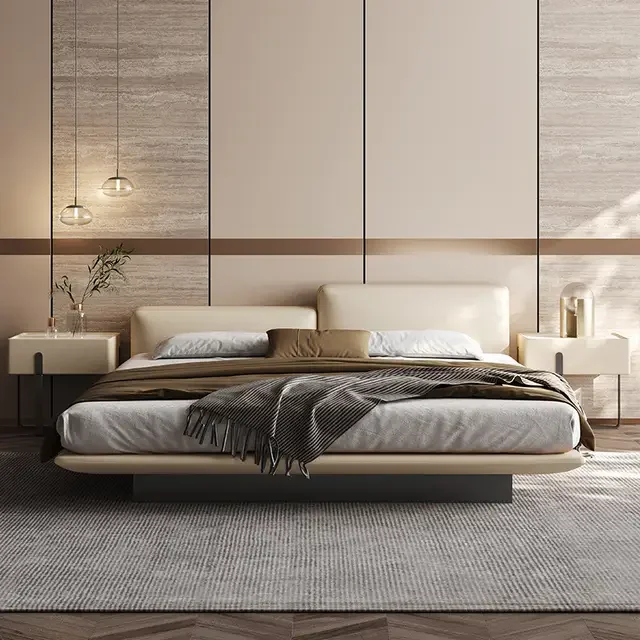
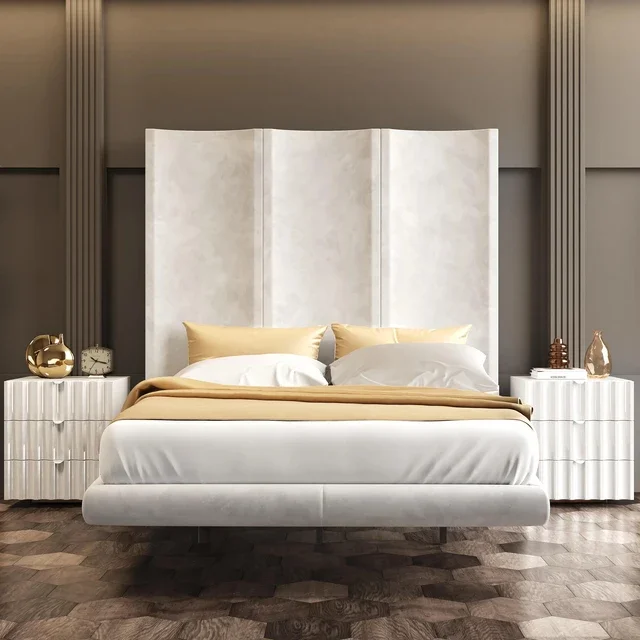











 Bedroom