
MAGAZINE
How to Design a Small Apartment: Complete Step-by-Step Interior Design Guide

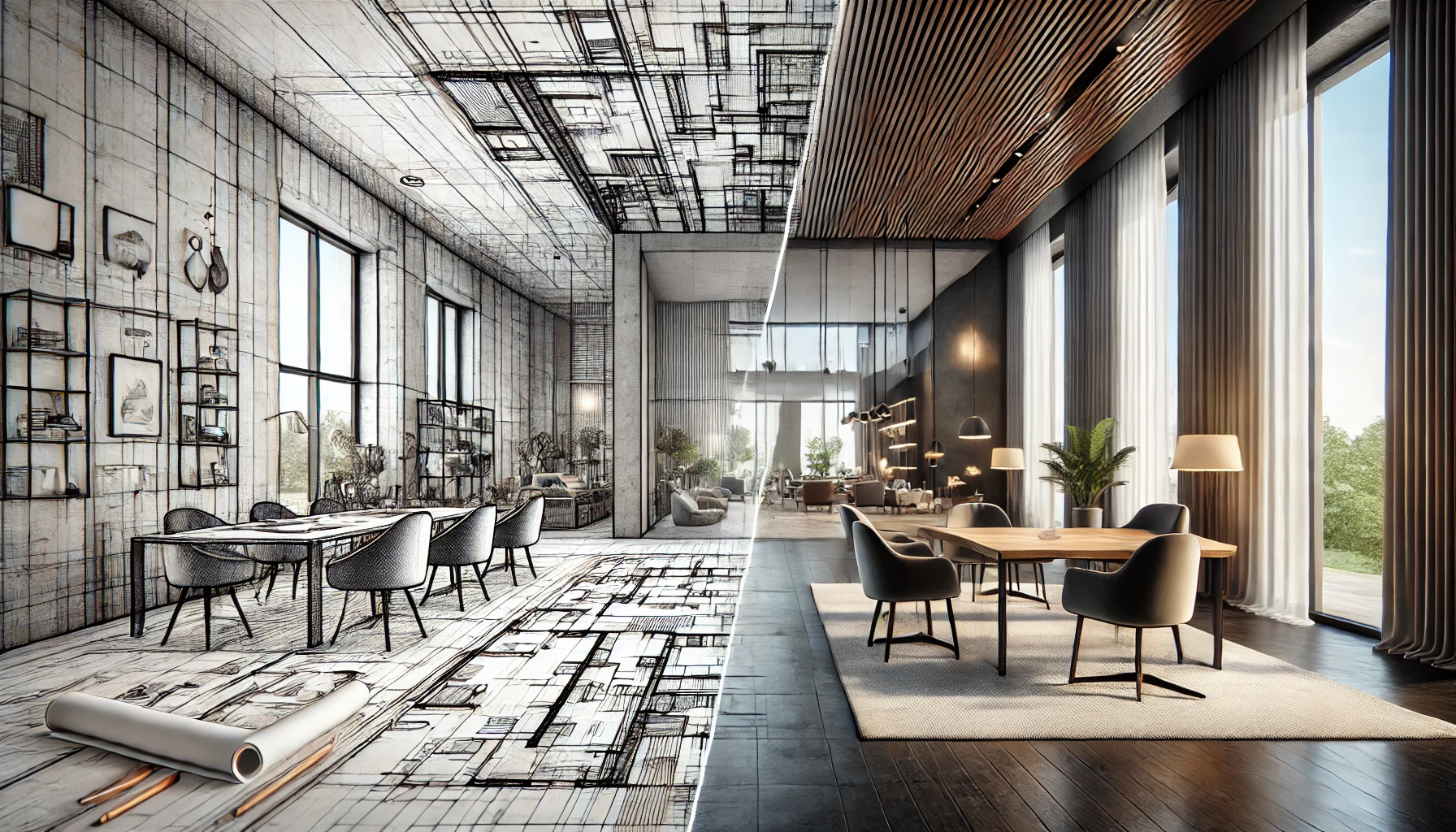
Designing a small apartment can feel overwhelming, but with the right strategies and techniques, you can create a space that feels larger, more functional, and beautifully designed. This comprehensive guide will walk you through every step of maximizing your small apartment’s potential while maintaining style and comfort.
Why Small Apartment Design Matters
Benefits of Thoughtful Small Space Design:
- Maximized functionality from every square foot
- Reduced clutter and stress through organized living
- Lower maintenance costs with efficient space utilization
- Enhanced lifestyle quality despite size constraints
- Increased property value through smart design choices
When to Redesign Your Small Apartment:
- Moving into a new compact space
- Feeling cramped or claustrophobic in current layout
- Struggling with storage and organization issues
- Wanting to improve functionality for work-from-home needs
- Preparing to host guests or accommodate lifestyle changes
What You’ll Need
Tools Required:
- Measuring tape (minimum 25 feet)
- Graph paper or digital design app
- Level for hanging artwork and shelves
- Drill for wall-mounted storage solutions
- Screwdriver set for furniture assembly
Materials List:
- Multi-functional furniture – 3-5 pieces depending on room count
- Wall-mounted storage – shelves, hooks, cabinets as needed
- Mirrors – 2-3 strategically sized for light reflection
- Light-colored paint – 2-3 gallons for walls and ceiling
- Organizational systems – drawer dividers, closet organizers
- LED lighting – under-cabinet strips, floor lamps, pendant lights
Estimated Cost:
- Budget option: ₹50,000-1,00,000 (basic furniture and paint)
- Standard option: ₹1,00,000-2,50,000 (quality pieces and built-ins)
- Premium option: ₹2,50,000-5,00,000 (custom solutions and high-end materials)
Step-by-Step Instructions
Step 1: Measure and Plan Your Space
Begin by creating an accurate floor plan of your apartment. Measure each room carefully, noting the location of windows, doors, electrical outlets, and any architectural features. Use graph paper or apps like SketchUp or RoomSketcher to create a scale drawing.
Pro Tips:
- Measure twice to avoid costly furniture mistakes
- Note ceiling height variations which affect storage possibilities
- Photograph existing conditions to reference during shopping
Step 2: Assess Your Lifestyle Needs
Analyze how you actually use your space versus how you want to use it. Consider your daily routines, work requirements, entertaining habits, and storage needs.
Common Mistakes to Avoid:
- Planning based on ideal usage rather than realistic needs
- Ignoring the need for adequate workspace if working from home
- Underestimating storage requirements for seasonal items
Step 3: Choose a Light Color Palette
Select a cohesive color scheme using light, neutral colors as your base. Light colors reflect more light and create the illusion of spaciousness.
Recommended Color Combinations:
- White walls with warm wood accents
- Light gray with white trim and natural textures
- Soft beige with white and metallic accents
Pro Tips:
- Paint ceiling same color as walls or lighter to increase height perception
- Use varying shades of the same color for depth without visual fragmentation
Step 4: Plan Multi-Functional Furniture Layout
Choose furniture pieces that serve multiple purposes and arrange them to maximize flow and functionality.
Essential Multi-Functional Pieces:
- Ottoman with internal storage for seating and storage
- Dining table that doubles as workspace
- Bed with built-in drawers or under-bed storage
- Console table that serves as desk, bar, and storage
Pro Tips:
- Float furniture away from walls to create better traffic flow
- Choose pieces with legs to maintain visual continuity of flooring
Step 5: Implement Vertical Storage Solutions
Maximize wall space with strategic vertical storage that draws the eye upward and provides essential organization.
Vertical Storage Ideas:
- Floor-to-ceiling bookshelves in living areas
- Wall-mounted cabinets in kitchen and bathroom
- Over-door organizers for cleaning supplies and accessories
- High-mounted hooks for items used less frequently
Common Mistakes to Avoid:
- Mounting shelves too low, which cuts room height visually
- Overcrowding vertical storage, creating cluttered appearance
Step 6: Maximize Natural Light
Remove or minimize anything that blocks natural light, and add elements that enhance light distribution throughout the space.
Light Enhancement Strategies:
- Replace heavy curtains with sheer panels or blinds
- Position mirrors opposite windows to reflect light
- Use glossy or semi-gloss paint finishes on walls
- Keep window sills clear of decorative items
Step 7: Create Zones for Different Activities
In studio apartments or combined spaces, use furniture arrangement, lighting, and area rugs to define separate functional zones.
Zone Creation Techniques:
- Use area rugs to define living and sleeping areas
- Position furniture to create natural barriers between zones
- Employ different lighting levels for various activities
- Use room dividers or curtains for temporary separation
Step 8: Optimize Closet and Storage Spaces
Maximize every storage opportunity with organizational systems and space-efficient solutions.
Closet Optimization:
- Install double hanging rods for maximum clothing storage
- Add shelf dividers for organized folded items
- Use vacuum storage bags for seasonal clothing
- Install hooks on inside of doors for accessories
Professional vs. DIY Considerations
When to DIY:
- Painting and basic decorating projects
- Installing simple shelving and organization systems
- Rearranging existing furniture for better flow
- Basic lighting improvements with plug-in solutions
When to Hire Professionals:
- Structural modifications like removing walls
- Electrical work for additional outlets or ceiling fixtures
- Custom built-in storage solutions
- Kitchen or bathroom renovations
Maintenance and Care
Daily Maintenance:
- Make bed and clear surfaces to maintain spacious feeling
- Return items to designated storage locations immediately after use
- Keep counters and tables clear except for daily essentials
Weekly Maintenance:
- Dust mirrors and light fixtures to maintain brightness
- Vacuum rugs and clean floors to keep space feeling fresh
- Organize closets and storage areas to prevent accumulation
Long-term Maintenance:
- Assess storage systems quarterly for efficiency improvements
- Touch up paint annually to maintain fresh, bright appearance
- Evaluate furniture arrangement seasonally for optimal functionality
Troubleshooting Common Small Apartment Issues
Issue 1: Space Still Feels Cramped After Redesign
Solution:
- Remove additional items to reduce visual clutter
- Ensure adequate lighting in all corners to eliminate dark areas
- Check furniture scale – pieces may be too large for the space
- Add more mirrors to reflect light and create depth illusion
Issue 2: Lack of Storage Despite Organization Efforts
Solution:
- Audit belongings and donate items not used in past year
- Look for unused vertical spaces above doorways and windows
- Consider under-utilized spaces like area beneath stairs
- Invest in furniture with hidden storage compartments
Issue 3: Difficulty Defining Separate Living Areas
Solution:
- Use different area rugs to clearly delineate spaces
- Employ varied lighting levels with table lamps and floor lamps
- Position furniture to create natural sight line barriers
- Add plants or decorative screens as visual dividers
Cost Breakdown and Budgeting
Material Costs:
- Paint and supplies: ₹8,000-15,000
- Multi-functional furniture: ₹30,000-1,50,000
- Storage solutions: ₹15,000-50,000
- Lighting improvements: ₹10,000-30,000
- Mirrors and accessories: ₹8,000-25,000
Labor Costs (if hiring professionals):
- Painting: ₹8,000-20,000
- Custom storage installation: ₹25,000-75,000
- Electrical work: ₹15,000-40,000
Money-Saving Tips:
- Shop sales for multi-functional furniture pieces
- Use peel-and-stick wallpaper instead of paint for accent walls
- DIY simple shelving using brackets and wood boards
- Repurpose existing furniture with new hardware or paint
Before and After: Expected Results
What to Expect:
- Increased sense of spaciousness through better light and organization
- Improved functionality with designated zones for different activities
- Enhanced visual appeal through cohesive color scheme and reduced clutter
- Better mood and reduced stress from organized, intentional living space
Timeline:
- Planning and measuring: 1-2 days
- Shopping for materials and furniture: 1-2 weeks
- Painting and basic improvements: 1 weekend
- Furniture arrangement and organization: 1-2 days
- Final styling and adjustments: 1 day
Sustainable Options for Small Apartment Design
Eco-Friendly Alternatives:
- Reclaimed wood shelving: Reduces environmental impact while adding character
- Vintage multi-functional furniture: Prevents waste while achieving unique style
- Low-VOC paints: Maintains healthy indoor air quality in close quarters
- LED lighting: Reduces energy consumption and heat production
Environmental Impact Considerations:
- Choose furniture that will last for years rather than temporary solutions
- Invest in quality organizational systems that won’t need frequent replacement
- Consider modular furniture that can adapt to future living situations
Expert Tips from Professional Interior Designers
“Small space design success comes from embracing constraints as creative opportunities rather than limitations. Every element should serve multiple purposes while contributing to visual harmony.” – Priya Sharma, Senior Interior Designer, Crosby Project
Advanced Techniques:
- Sightline management: Arrange furniture to create long views through multiple rooms
- Scale graduation: Use progressively smaller elements as distance from entrance increases
- Reflection strategy: Position mirrors to reflect interesting views rather than random spaces
Related Projects and Ideas
Complementary Design Tasks:
- Balcony or outdoor space optimization for additional living area
- Kitchen efficiency improvements for better workflow
- Bathroom storage enhancement for daily convenience
Design Integration:
- Coordinate small apartment design with outdoor spaces for seamless flow
- Plan lighting design to support multiple activities throughout the day
- Consider seasonal adaptability for changing needs and natural light conditions
Frequently Asked Questions
Q: How do I make a 500 sq ft apartment feel larger?
A: Focus on light colors, strategic lighting, mirrors, and multi-functional furniture. Keep sightlines clear and use vertical storage to draw the eye upward. Most importantly, minimize clutter and maintain clear surfaces.
Q: What’s the biggest mistake people make in small apartment design?
A: Choosing furniture that’s too large for the space or trying to fit too many separate pieces instead of selecting multi-functional items. Also, using dark colors or inadequate lighting that makes spaces feel smaller.
Q: How much should I budget for a complete small apartment makeover?
A: Budget ₹1,00,000-3,00,000 for a comprehensive makeover including furniture, paint, storage solutions, and lighting. You can achieve significant improvements for ₹50,000-75,000 with strategic choices and some DIY work.
Q: Can I create separate bedroom and living areas in a studio apartment?
A: Yes, using furniture arrangement, area rugs, lighting, and portable room dividers. Consider a murphy bed or loft bed to maximize floor space, or use a large bookshelf as a room divider with storage.
Conclusion and Next Steps
Designing a small apartment successfully requires planning, creativity, and strategic thinking about how space can serve multiple functions while remaining beautiful and comfortable. By following these steps and focusing on light, organization, and multi-functional solutions, you can create a small space that feels much larger and works perfectly for your lifestyle.
Remember that small apartment design is an iterative process. Start with the fundamental changes – paint, lighting, and organization – then gradually add furniture and accessories that enhance functionality and style. Each decision should serve multiple purposes while contributing to the overall sense of spaciousness and calm.
Ready to transform your small apartment into a perfectly designed, functional space? Whether you choose the DIY approach or prefer professional guidance, following these principles will help you create a home you love. For complex projects or custom storage solutions, our expert design team can provide personalized guidance tailored to your specific space and needs.










 Bedroom