
MAGAZINE
Essential Interior Design Tips for Every Space

Understanding Your Space
When embarking on an interior design project, the initial step involves a thorough assessment of your space. Understanding its dimensions, layout, and the amount of natural light present can significantly influence the design choices you make. Measuring the area accurately is crucial. Utilizing a tape measure, jot down the height, width, and depth of each room to create a precise floor plan. This plan serves as a vital reference point as you conceptualize your design.
In addition to basic measurements, it is important to take note of architectural features that may shape your interior design. Elements such as doorways, windows, and built-in fixtures can dictate how space can be utilized and how furniture is arranged. For instance, large windows allow for ample natural light and may call for lighter furnishings to avoid making the space feel too heavy.
Moreover, understanding the flow of the room is essential for effective design. This involves considering how each area connects and functions together. Aim for a layout that facilitates movement and provides intuitive access to various parts of the room. Pay attention to the placement of furnishings; items should not obstruct pathways, but should instead invite easy navigation throughout the space.
Lastly, assessing the natural light available in the room is crucial to ensure a harmonious atmosphere. Observing how sunlight enters the space at different times of the day can inform decisions on color choices and the types of materials to use. Bright spaces can benefit from bold colors, while those receiving limited light might require lighter hues to enhance their vibrancy.
Choosing a Design Style
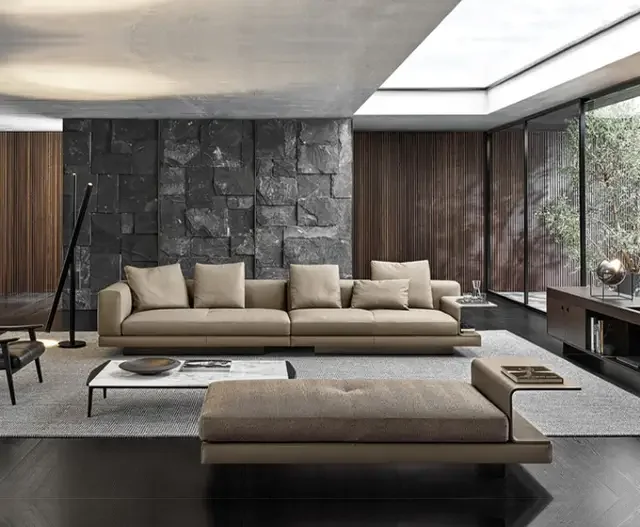
When embarking on an interior design project, the first step is to select a design style that not only resonates with personal aesthetic preferences but also enhances the functionality of the space. There are numerous styles to consider, each possessing unique characteristics and appeal. A popular choice is the minimalist design style, which emphasizes simplicity and the effective use of space. By prioritizing essential elements and reducing clutter, a minimalist approach can create a sense of tranquility and order, making it ideal for smaller rooms.
Conversely, the bohemian style invites a more eclectic mix of colors, textures, and patterns. This laid-back design celebrates individuality and creativity, allowing the incorporation of various cultural influences. When opting for a bohemian look, layered textiles, vintage finds, and an array of decorative elements can coalesce to form a distinctly personal atmosphere.
Another noteworthy design style is the industrial concept, characterized by raw materials and an urban aesthetic. Elements such as exposed brick, metallic fixtures, and reclaimed wood can evoke a sense of history and ruggedness. Industrial spaces often open up to natural light, blurring the lines between indoor and outdoor environments—ideal for contemporary settings.
Ultimately, selecting a design style should reflect both personal taste and the purpose of the space. It is crucial to consider the functionality required for each area. For instance, a cozy living room might lean toward warm, inviting designs, while a home office may benefit from a clean and structured aesthetic. By thoughtfully evaluating both personal style and practicality, one can achieve a harmonious balance that elevates the overall living experience.
Color Schemes and Palettes
The choice of color in interior design is pivotal, as it influences the overall aesthetic and mood of a space. Colors evoke emotions and can significantly affect how one feels in a room. For instance, warm colors such as reds, oranges, and yellows often create a sense of energy and warmth, while cool colors like blues and greens tend to promote tranquility and calmness. Understanding these psychological effects is essential when selecting a color scheme.
To create a harmonious environment, it is beneficial to adopt the 60-30-10 rule when combining colors. This approach suggests dividing the color palette into three parts: 60% of the dominant color, 30% of the secondary color, and 10% of an accent color. The dominant color typically covers large surfaces such as walls, while the secondary color can be used for furniture and textiles. The accent color is most effective when applied to smaller decor elements, such as cushions or art pieces. By following this guideline, one can ensure a balanced and cohesive look.
When selecting a color scheme, it is crucial to consider the purpose of the space as well as the natural light it receives. For instance, in a home office, cooler shades can enhance focus, while warmer tones may be more suitable for a living room where relaxation and socializing take place. Additionally, consider the size of the room; lighter shades can make a small area appear larger, while darker tones can add depth and coziness to expansive spaces.
Ultimately, the right combination of colors can transform any room, providing a visually appealing and emotionally supportive environment. Establishing a color scheme that reflects personal taste and complements the function of the space will enhance the overall design and contribute to a satisfactory living experience.
Furniture Selection and Arrangement
Choosing the right furniture for your space is paramount to achieving a harmonious and functional interior design. When selecting furniture, consider the scale, material, and function to ensure a cohesive aesthetic that is both comfortable and inviting. Scale refers to the size of the furniture in relation to the space. Oversized furniture in a small room can make the area feel cramped, while tiny pieces in a large space may seem insignificant. Therefore, accurately measuring your space and visualizing how different items will fit is crucial.
The material of the furniture also plays a vital role in the overall design. Different materials can convey various moods and styles. For instance, wood offers warmth and an organic feel, while metal can add a modern edge. Additionally, consider the durability of the materials, especially in spaces that are frequently used or subject to wear and tear, such as living rooms and dining areas.
Functionality should be a top priority in your furniture selection. Each piece should serve a purpose, whether it’s providing seating, storage, or a surface for activities. Multifunctional furniture, such as a coffee table that doubles as storage, can maximize space efficiency. Once you have selected the appropriate furnishings, the arrangement becomes the next crucial step.
Arranging furniture thoughtfully can enhance flow and connectivity in a room. Start by creating zones for different activities. For example, in a living room, position seating in a way that encourages conversation, such as facing each other around a coffee table. Ensure pathways are clear and allow for easy movement throughout the space. Additionally, varying heights and angles can create visual interest. Regularly reassessment of your layout will allow for adjustments, ensuring that comfort and utility remain prioritized as needs evolve.
Lighting Design Techniques
In the realm of interior design, lighting plays a pivotal role in shaping the overall ambiance of a space. Efficient lighting not only illuminates but also enhances the aesthetics and functionality of a room. To effectively harness the power of lighting, it is important to understand the three primary types: ambient, task, and accent lighting.
Ambient lighting, often referred to as general lighting, serves as the primary source of illumination, illuminating a room uniformly. It is essential for establishing the overall mood and can be achieved using various fixtures, including ceiling-mounted lights, chandeliers, and wall sconces. This type of lighting ensures that there are no dark spots, thereby providing a comfortable environment for everyday activities.
Task lighting, on the other hand, focuses on specific areas where activities are performed, such as reading, cooking, or working at a desk. This type of lighting is typically brighter and more directional, ensuring adequate visibility for tasks. Examples include under-cabinet lighting in kitchens, desk lamps in home offices, and pendant lights over dining areas. Incorporating task lighting can significantly improve the functionality of a space while also adding layers to the overall design.
Accent lighting serves as a purposeful highlight, drawing attention to artwork, architectural features, or decorative items. This type of lighting adds depth to a room, creating focal points and enhancing the visual interest. Examples include track lighting, spotlights, or LED strips used to highlight features such as bookshelves or sculptures.
Combining these three types of lighting is essential for achieving a well-balanced and layered lighting scheme that improves both aesthetics and functionality. Thoughtfully placed light fixtures can transform any space, making it feel warm, inviting, and purposeful. The use of dimmers and adjustable fixtures further allows for increased flexibility in mood setting, ensuring that the lighting can adapt to various activities and times of day.
Accessorizing Your Space
When it comes to interior design, accessories play a pivotal role in defining the character of a space. Items such as rugs, curtains, and artwork can transform a room from merely functional to warm and inviting. Selecting the right accessories involves thoughtful consideration of the harmony between the items and the overall aesthetic of the room.
Rugs are an essential accessory that can anchor a space. They not only add comfort but also contribute texture and color. When choosing a rug, consider the room’s size and layout. For larger spaces, a bigger rug can help delineate different areas, while a well-placed smaller rug can create an intimate setting. Opt for patterns and colors that complement your existing furnishings to enhance visual appeal.
Curtains serve both practical and decorative purposes. They can filter natural light, provide privacy, and even capture a particular ambiance. Selection should reflect the room’s purpose; for example, lightweight fabrics in airy colors work well in living areas to foster a light, open feeling, while heavier drapes in richer hues add drama to a formal setting or bedroom. Ensure that the curtain length enhances the room’s proportions, making ceilings appear higher or providing a cozy, enveloping feel.
Artwork is perhaps one of the most personal accessories you can incorporate into any space. It tells stories and reflects personalities. When choosing art, consider the mood you wish to convey. Gallery walls can display collections of various pieces, while a single statement piece can serve as a focal point. Ensure that the scale of the artwork is proportional to the wall space to avoid overwhelming the area.
In conclusion, accessorizing your space thoughtfully enhances comfort while allowing for personal expression. By carefully selecting and arranging rugs, curtains, and artwork, one can create a cohesive and inviting environment that truly feels like home.
Creating Functional Spaces
In modern interior design, creating functional spaces is essential to meet both practical needs and aesthetic desires. A well-designed space not only enhances the visual appeal of a room but also improves its usability. This harmony between function and form can be achieved through innovative space planning and the inclusion of multifunctional furniture.
Multifunctional furniture serves as a cornerstone in designing functional interiors. For instance, consider a sofa that doubles as a bed, or an ottoman with built-in storage capabilities. Such pieces optimize space utilization in small living areas, allowing for flexibility while maintaining an elegant look. Additionally, extendable dining tables cater to both intimate dinners and larger gatherings, adapting seamlessly to the needs of the occupants.
Organization solutions play a pivotal role in enhancing functionality. Thoughtful organization can prevent clutter and maintain a clean appearance in any space. Incorporating built-in shelving or wall-mounted units maximizes the use of vertical space, providing both storage and display options. Furthermore, using baskets or decorative boxes can elegantly organize items, allowing them to be easily accessible without sacrificing style.
In the realm of functional spaces, it is crucial to consider the flow of movement. A well-planned layout ensures that spaces are not only visually appealing but also conducive to daily activities. Open floor plans can enhance interaction, while strategically placed furniture can help delineate different functional areas within a room without the need for additional walls.
Overall, the key to achieving a functional interior lies in balancing practical needs with aesthetic considerations. By integrating multifunctional furniture and effective organizational solutions, one can create spaces that are both beautiful and efficient, ultimately enhancing the living experience.
Incorporating Natural Elements
In recent years, the incorporation of natural elements into interior design has gained significant traction, reflecting a broader movement towards biophilic design. This approach emphasizes creating spaces that are connected to nature, fostering well-being and enhancing the aesthetic appeal of interiors. One of the most effective ways to achieve this is through the use of plants. Indoor greenery not only purifies the air but also adds vibrancy and life to any space. Common choices include snake plants, pothos, and peace lilies, which are known for their air-purifying properties and low maintenance requirements.
Additionally, the use of natural materials—such as wood, stone, and textiles derived from natural fibers—can create a warm and inviting atmosphere. Wooden furniture, for instance, introduces warmth and texture, while stone elements can provide a touch of sophistication and enduring appeal. Choosing sustainable materials further enhances the environmental benefits of design, making it both stylish and ecologically responsible.
Integrating natural light is another key aspect of bringing the outdoors inside. Large windows, skylights, or strategically placed mirrors can maximize daylight, creating a bright and open feel while highlighting the natural elements present within the space. Choosing a color palette inspired by nature, such as earthy tones and soft greens, can further enhance the connection to the environment.
In conclusion, incorporating natural elements into interior design speaks to a fundamental human desire for connection with nature. By integrating plants, using natural materials, and maximizing natural light, one can create a harmonious home that promotes both health and aesthetic pleasure. Ultimately, these choices contribute to a more sustainable and enjoyable living environment, allowing residents to experience the benefits of nature without leaving the comfort of their homes.
Trends and Innovations in Interior Design
As we progress through the digital age, the realm of interior design continues to evolve, reflecting both aesthetic preferences and technological advancements. Current trends emphasize sustainability and eco-friendliness, with designers increasingly opting for materials that are not only stylish but also environmentally responsible. Reclaimed wood, recycled glass, and organic textiles are now staples in modern design, allowing for beautiful and functional spaces without compromising the planet.
In addition, smart home technologies have made substantial inroads into interior design. Automated systems for lighting, heating, and even window treatments have become commonplace, catering to the demands of efficiency and convenience. Incorporating these technologies can enhance the quality of living while providing customizable experiences for residents. The integration of these systems into the design process allows spaces to follow the rhythm of their owners’ lives, thus enriching their overall experience.
Furthermore, the trend of maximalism is making a resurgence, challenging the minimalist designs that have dominated recent years. This approach embraces bold colors, varied textures, and a plethora of patterns, creating spaces that are both vibrant and expressive. Designers are now encouraging homeowners to showcase their personalities through layered décor, allowing for unique, tailored environments that reflect individual stories.
As we look to the future, innovation in interior design is likely to focus on multifaceted solutions that support well-being and mental health. Biophilic design, which integrates natural elements into indoor environments, is gaining traction as people seek deeper connections with nature—even when indoors. This trend encompasses strategies such as living walls, natural light optimization, and the use of organic materials to improve air quality.
Staying informed about these evolving styles and revolutionary products is essential for anyone looking to enhance their spaces effectively. By embracing current trends and innovations in interior design, one can create more functional, stylish, and sustainable environments suitable for contemporary living.












 Bedroom