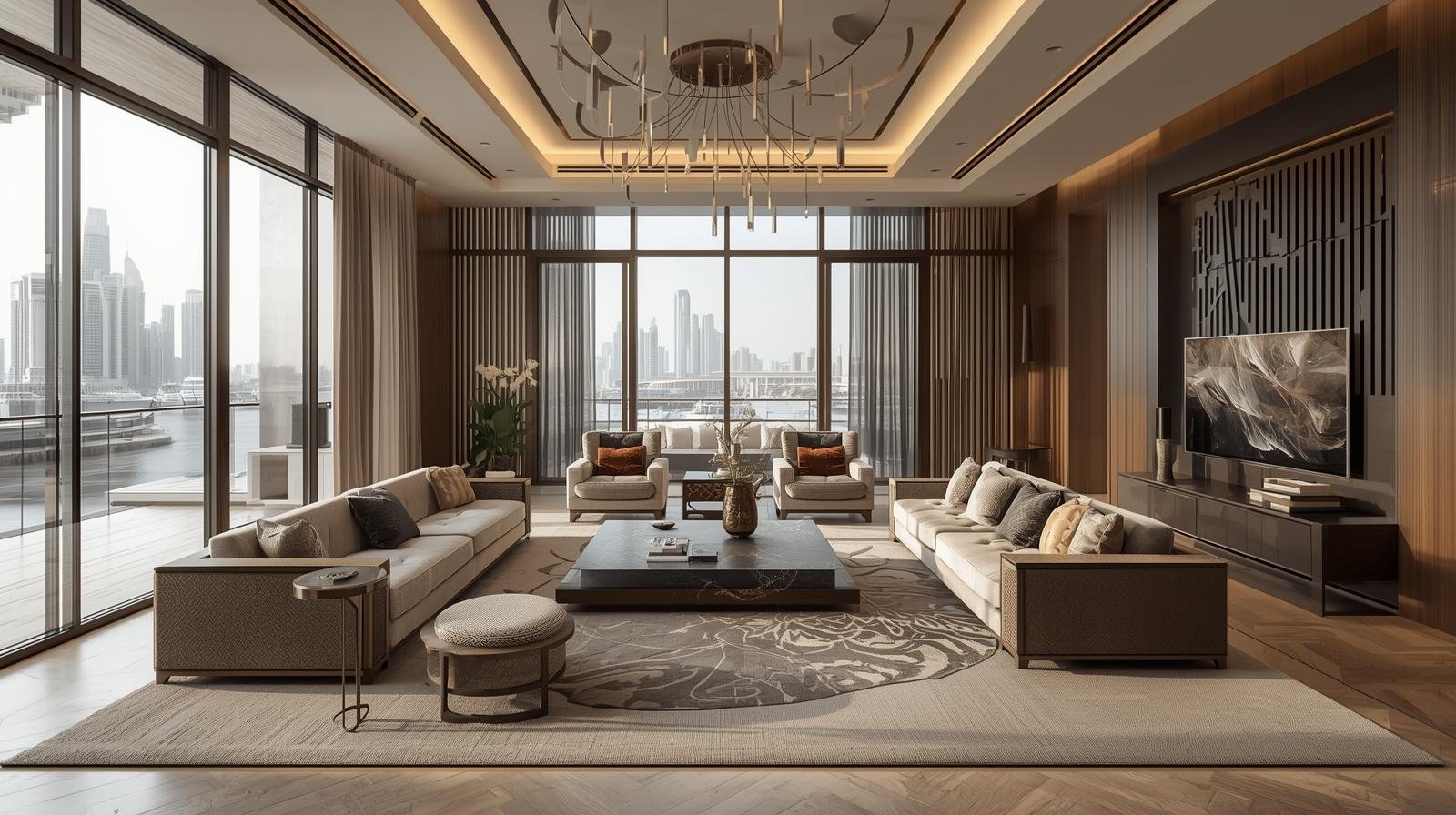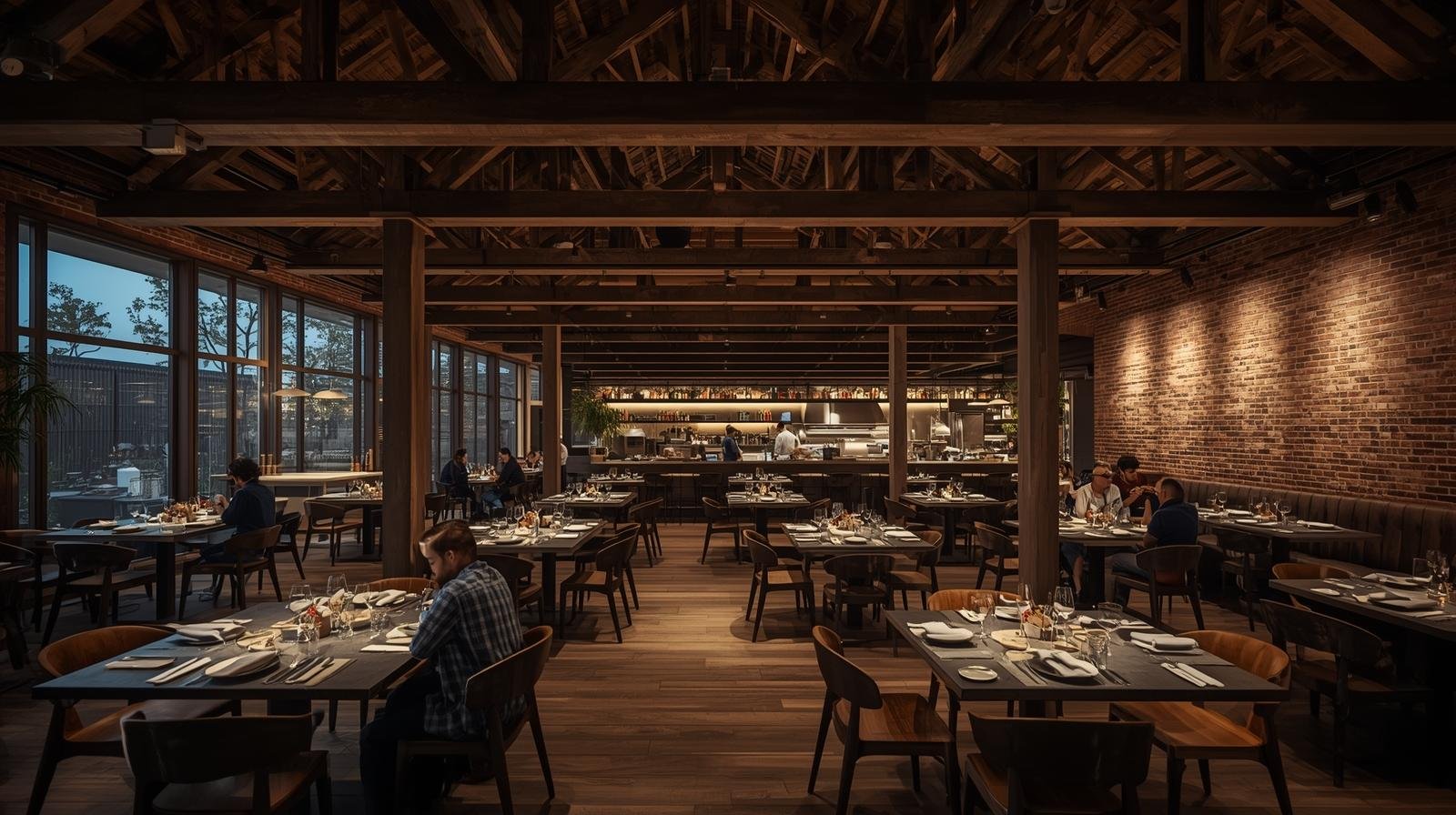
A 65-cover restaurant in historic Mehrauli where farm-to-table dining meets craft traditions—an environment designed to celebrate food, conversation, and the hands that create both.
Chef Prateek Sadhu came to us with a vision that extended far beyond menu. Having trained in Copenhagen and worked across Europe's new Nordic restaurants, he wanted to bring that ethos to Delhi—but rooted in Indian ingredients, techniques, and craft traditions. The food would showcase small-producer farmers, heirloom grains, and regional cooking methods. The space, he insisted, should embody these same values: handmade, locally sourced, honest in its materiality.
The location—a nineteenth-century haveli in Mehrauli—presented both challenges and opportunities. The structure's bones were strong but neglected: thick stone walls, high ceilings with original wooden beams, generous windows that no longer opened. Previous tenants had concealed these qualities beneath false ceilings and synthetic finishes. Our first task was archaeological—revealing what existed before we could imagine what might be.
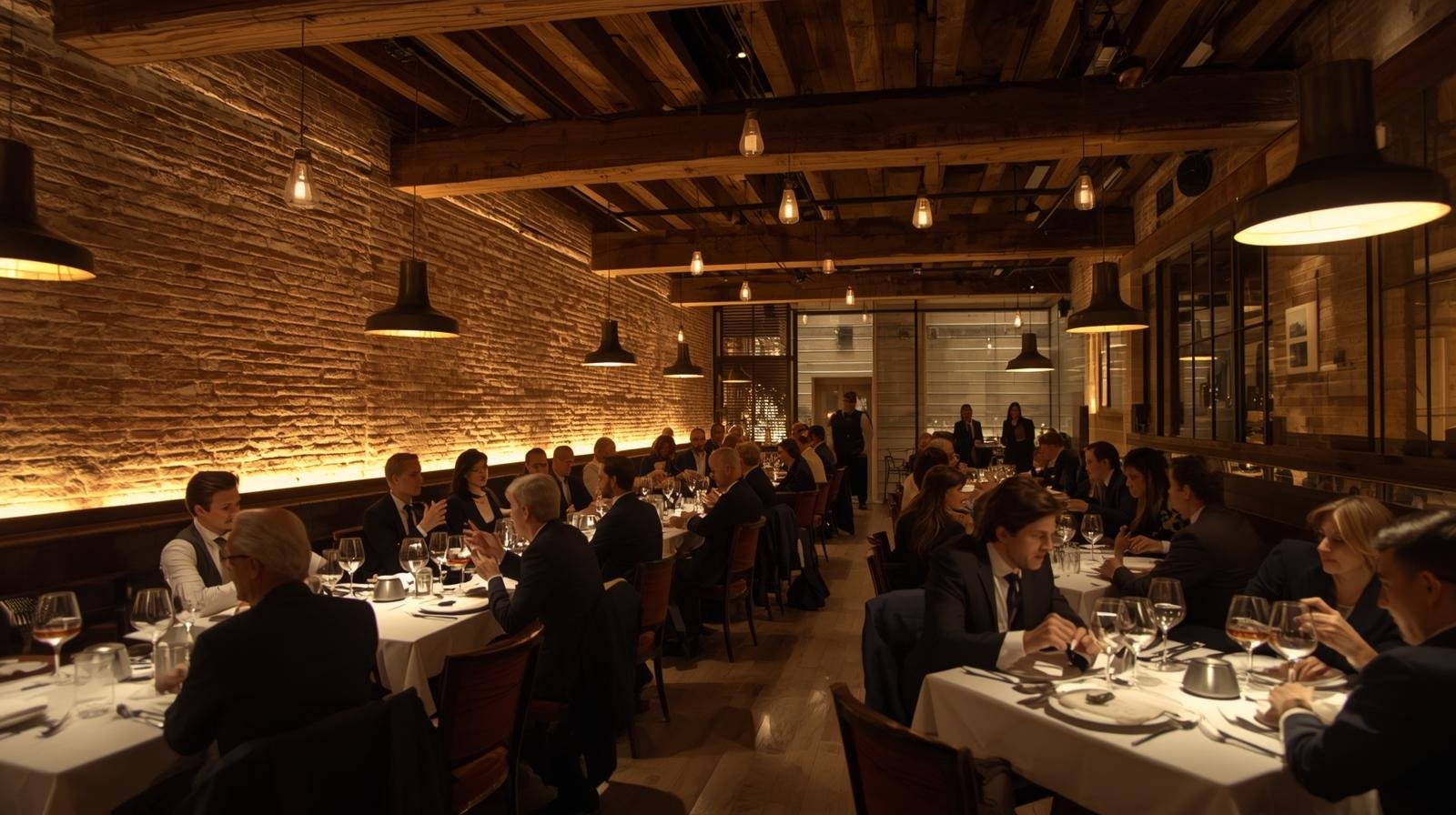
We approached the space as we might approach the menu: by honoring what was already present. Plaster was carefully removed to expose stonework. The ceiling was opened to reveal beams, which we cleaned, repaired, and left visible. Original lime plaster, where it survived, was preserved; where new plaster was needed, we used traditional techniques—multiple thin coats troweled by hand, creating subtle texture and warmth.
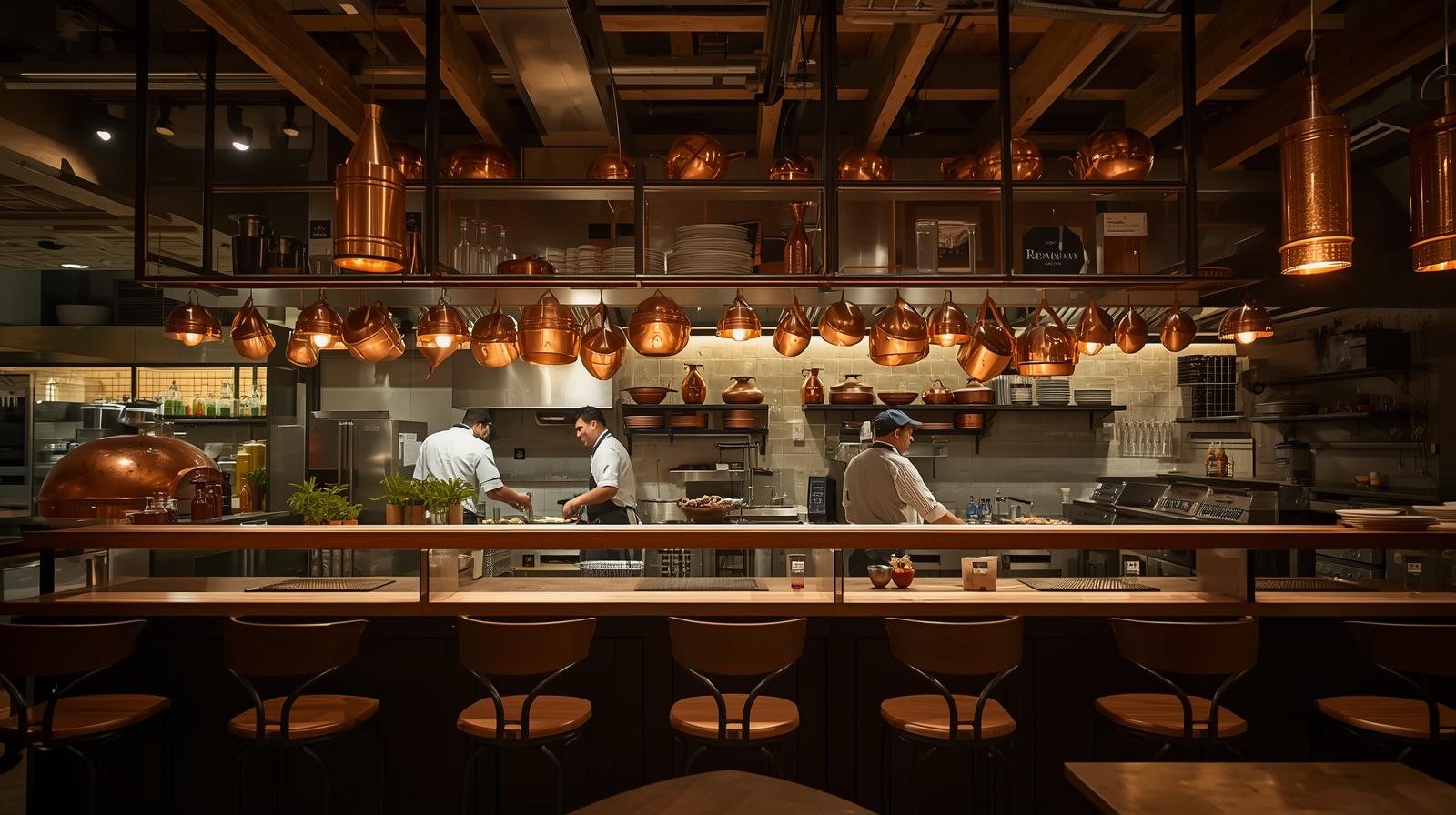
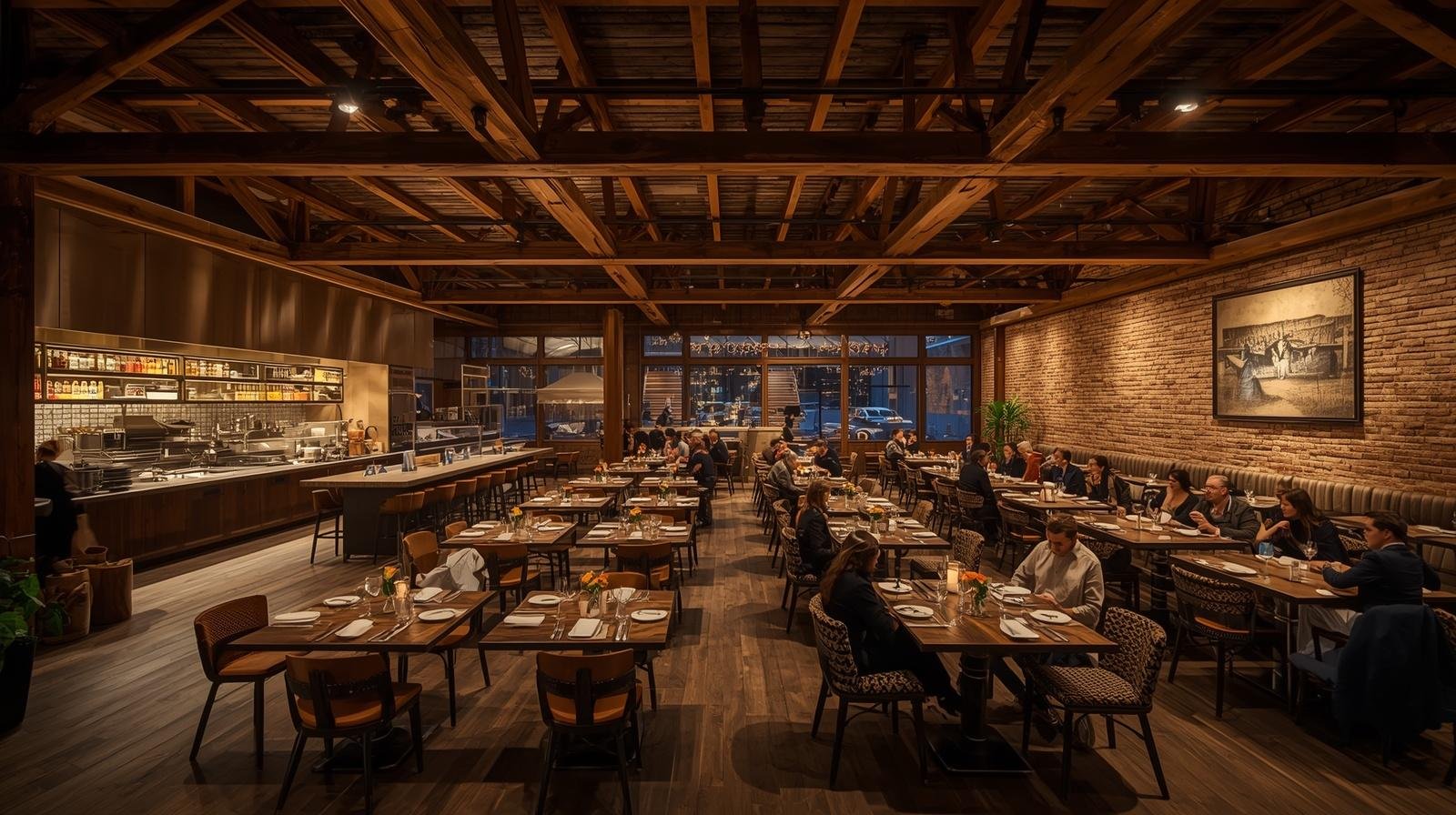
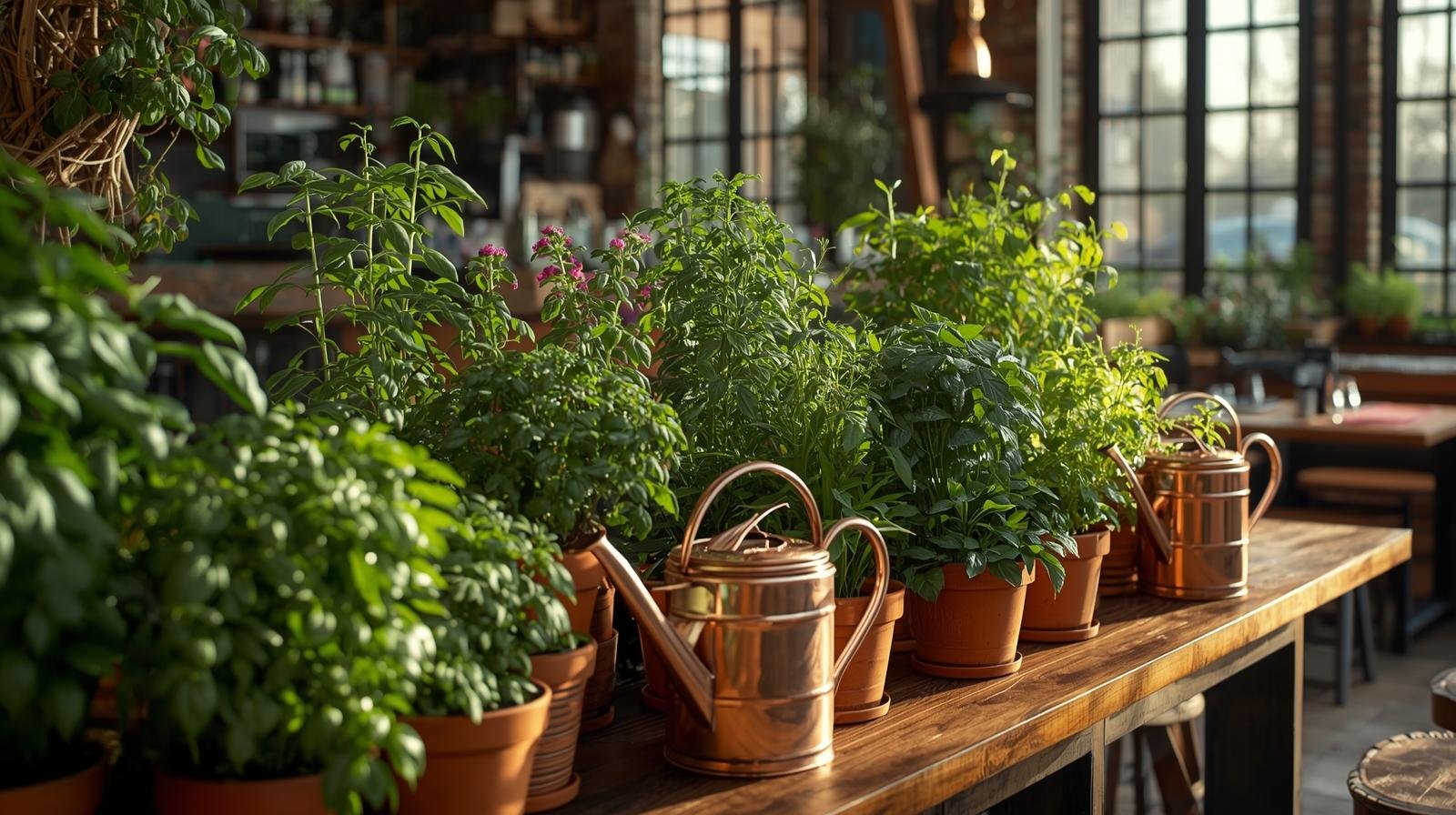
The kitchen became theater. Rather than hiding cooking behind walls, we designed an open format where diners witness the entire process. Custom copper counters and hanging pot racks reference traditional Indian kitchens while meeting contemporary commercial standards. The wood-fired oven, built by specialists from Kerala, anchors one wall—its presence both functional and sculptural. Clay tandoors sit alongside European ranges, making visible the restaurant's synthesis of techniques.
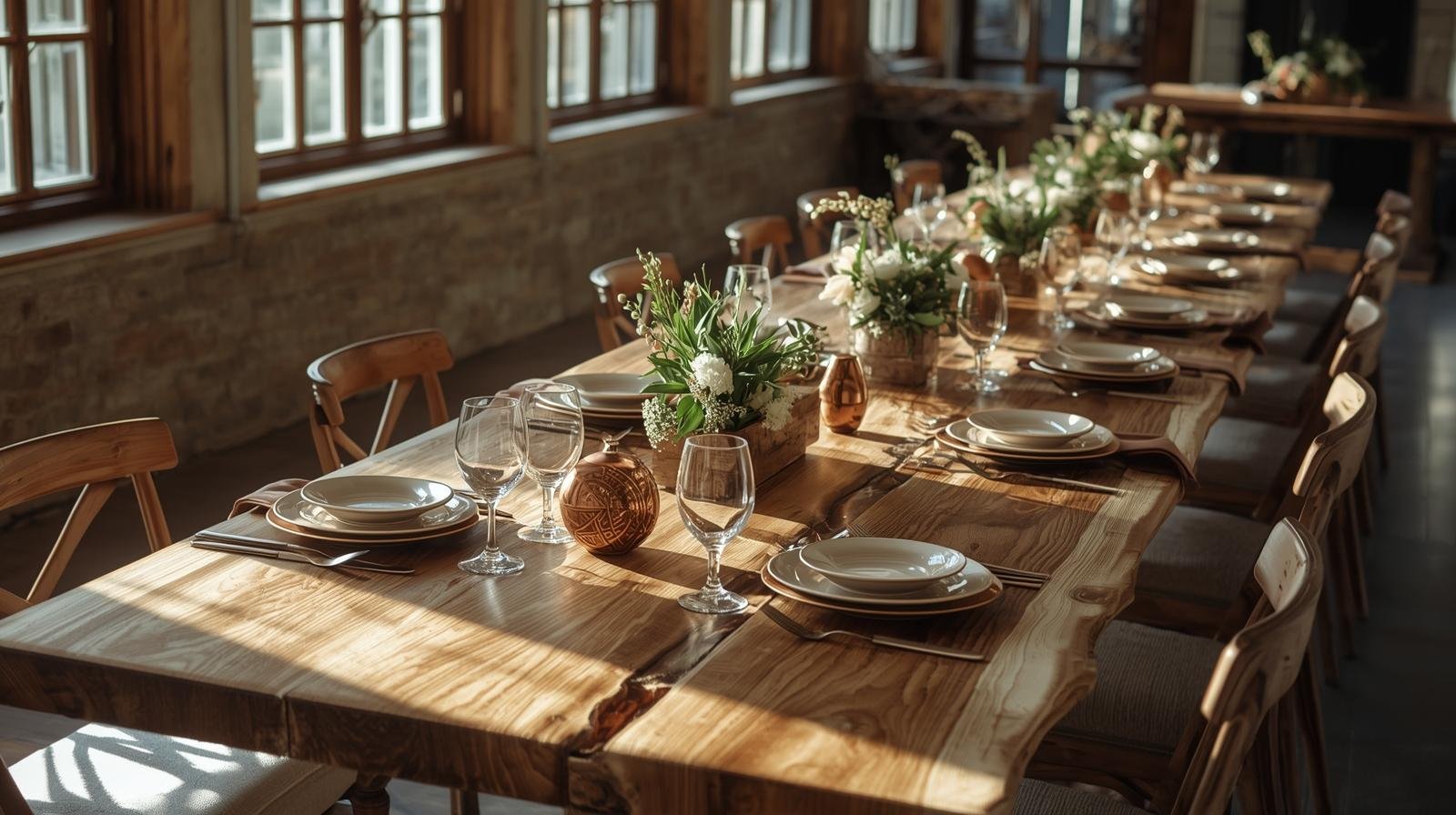
Furniture was conceived as craft objects rather than mere utility. We commissioned tables from a fourth-generation carpenter in Saharanpur, working with him to design pieces that could accommodate both intimate dinners and communal gatherings. The wood—sal and sheesham—was locally sourced and kiln-dried for six months before milling. Each table bears his maker's mark on the underside, signed and dated.
Seating employs woven cane work, a dying craft in Delhi. We partnered with artisans in Old Delhi who still practice traditional techniques, providing them with our specifications while respecting their inherited knowledge. The result is chairs that reference mid-century design but execute through entirely Indian craft. Cushions were upholstered in khadi—hand-spun, hand-woven cotton from a cooperative in Gujarat.
Lighting required particular attention. The space needed to transition from lunch's bright casualness to dinner's intimate atmosphere. We designed a custom system employing hand-blown glass pendants—each slightly different due to the making process—suspended at varied heights. Dimmers control not just intensity but color temperature, shifting from daylight to warm amber as evening progresses. Task lighting in the kitchen employs industrial fixtures we found in salvage markets, restored and rewired.
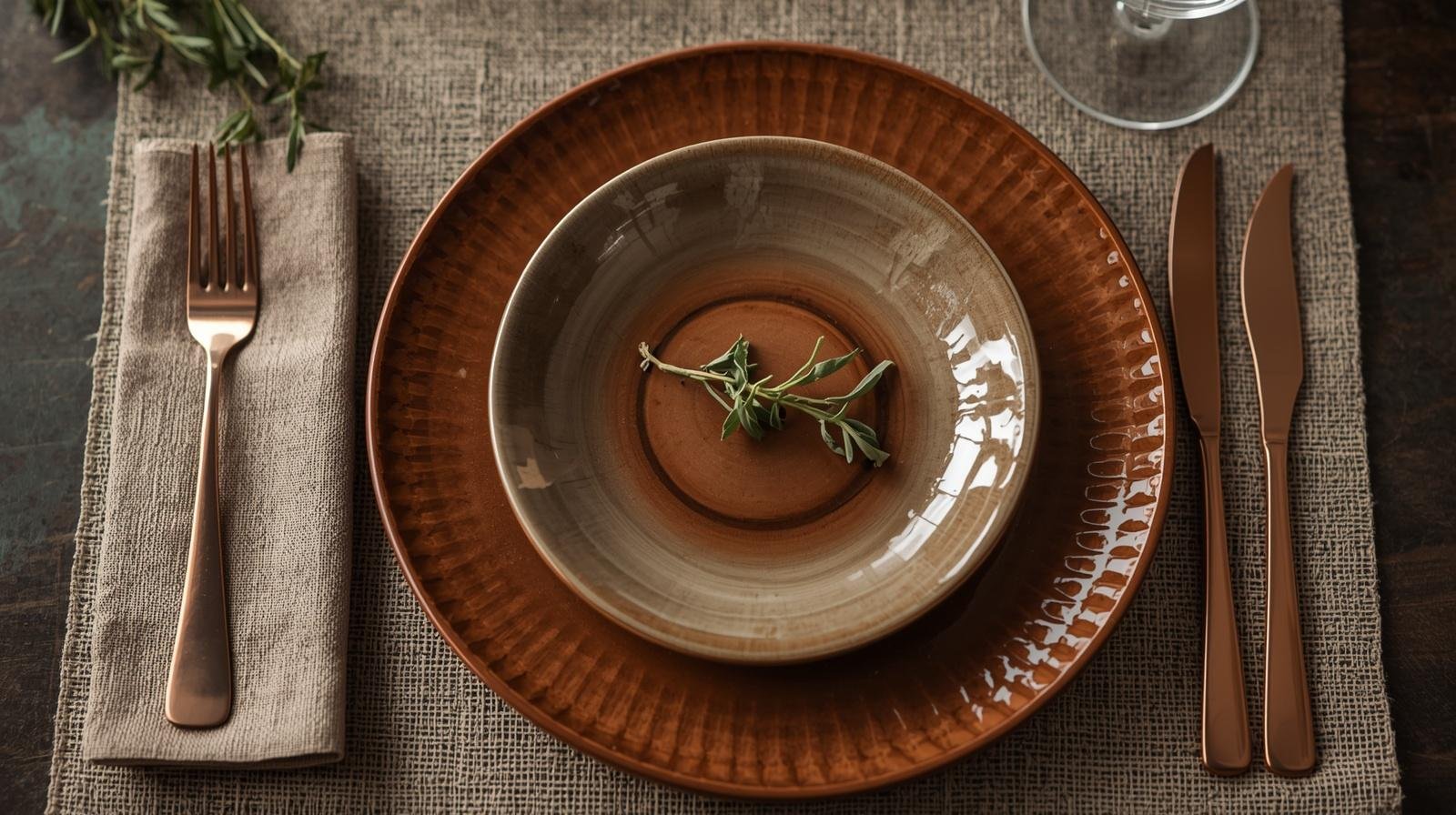
Ceramics were commissioned specifically for the restaurant. Working with Andretta Pottery in Himachal Pradesh, we developed a complete tableware system: plates, bowls, cups, and serving vessels in earth-toned glazes that complement the food without competing. Each piece is hand-thrown, bearing the subtle irregularities that distinguish craft from industry. The restaurant owns several hundred pieces, accepting that breakage is inevitable and replacements will never exactly match—embracing impermanence as Japanese wabi-sabi philosophy teaches.
The restaurant's identity extends beyond design into deeper commitment. All furniture can be attributed to specific makers. The copper vessels came from a family workshop in Janakpuri that has been beating copper for five generations. The brass door handles were cast in Moradabad. Even the menus—printed weekly to reflect ingredient availability—employ handmade paper from a mill in Pondicherry.
This wasn't aesthetic choice alone but ethical position. By commissioning from small producers and traditional artisans, the restaurant supports craft practices threatened by industrial manufacturing. The slight premium paid for handmade goods becomes investment in cultural preservation. Diners don't just consume food; they participate in an ecosystem of making.
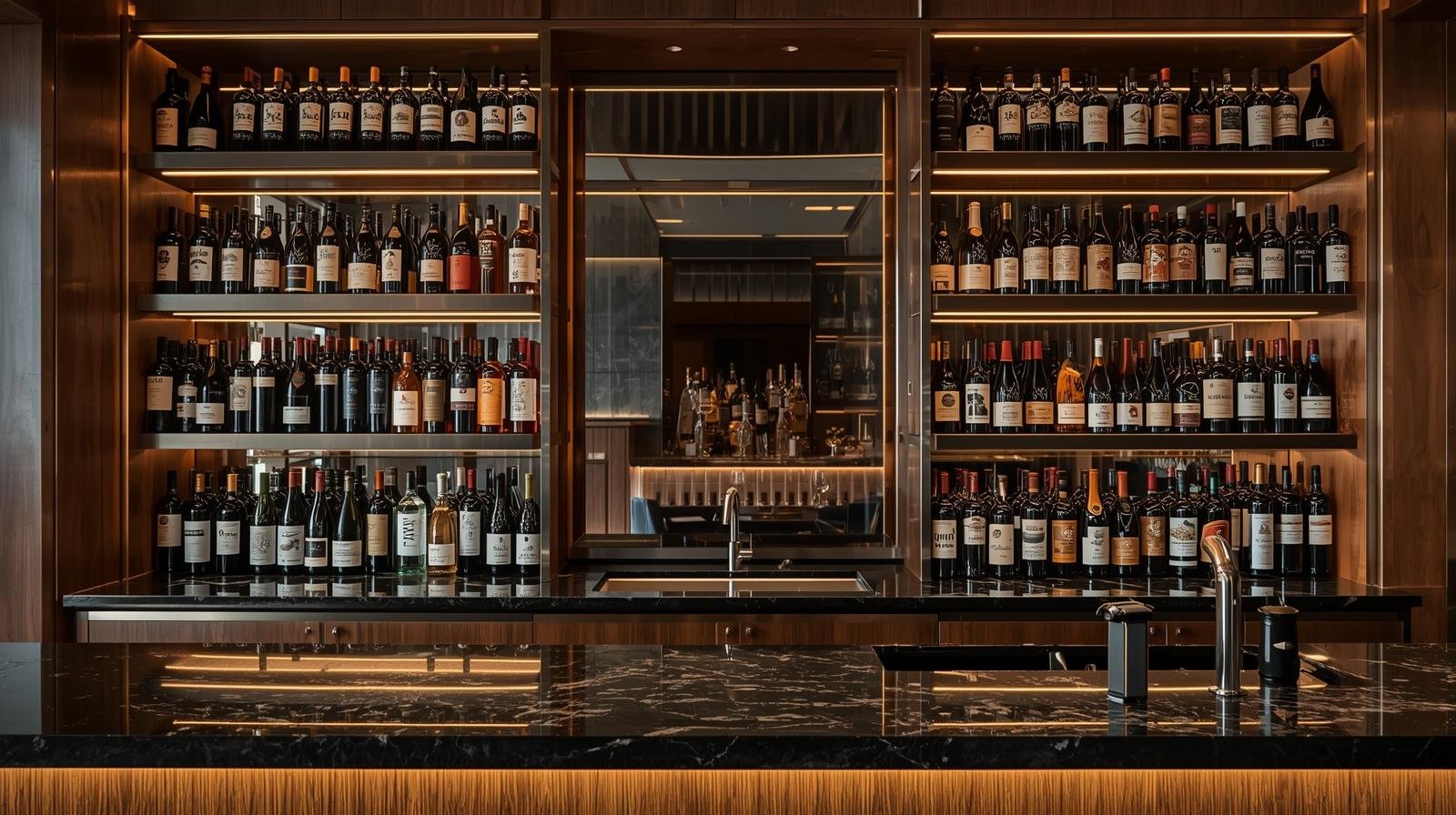
The wine program, curated to showcase natural and biodynamic producers, extends this philosophy. Bottles are displayed in custom steel-and-wood racks designed to highlight the labels—small vineyards deserving recognition. The bar counter, topped in absolute black granite from Karnataka, was cut and finished by hand rather than machine, its edges bearing the subtle irregularities that indicate human touch.
"Crosby understood that the space needed to be more than backdrop—it had to embody our values. Every surface, every object tells a story about makers and materials. Diners feel that authenticity. They ask about the plates, the tables, the story behind the copper. The design has become part of the dining experience."— Chef Prateek Sadhu, Founder
Salvaged from Kerala warehouses, refinished
All communal tables and feature walls employ teak salvaged from dismantled colonial-era warehouses. Each piece carries history in its grain—bolt holes, saw marks, natural weathering. We cleaned, planed, and refinished the wood with natural oils, preserving its character while making it suitable for daily use.
Saharanpur carpentry, traditional joinery
All tables were commissioned from Master Carpenter Rajesh Kumar, whose family has worked wood for four generations. The sal and sheesham—both indigenous hardwoods—were sourced from responsibly managed forests, then air-dried for six months. Traditional mortise-and-tenon joinery means no metal fasteners. Each table is signed and dated underneath.
Old Delhi artisans, traditional weaving
Chair frames were fabricated in mild steel, then sent to cane workers in Old Delhi who employ techniques passed through families for generations. The cane is soaked, stretched, and woven wet, shrinking as it dries to create drum-tight seating. Replacement cane is kept in stock, as we expect to reweave seats every few years—part of the furniture's lifecycle.
Gujarat handloom, natural dyes
Cushions employ khadi from a weaving cooperative in Gujarat. The fabric is hand-spun, hand-woven, and dyed using only natural materials—indigo, turmeric, madder root. Each bolt of fabric shows subtle variation in color and texture, reflecting the handmade process. The cushions are filled with kapok fiber, sustainably harvested and naturally hypoallergenic.
European oak, modular design
All work surfaces employ solid oak with hardwax oil finish. The desks are modular—reconfigurable as team structures evolve. Integrated cable management, adjustable heights, and edge detailing that prevents laptop damage were developed specifically for this project. The wood will develop patina with use, recording the team's growth.
Kirti Nagar workshop, hand-beaten
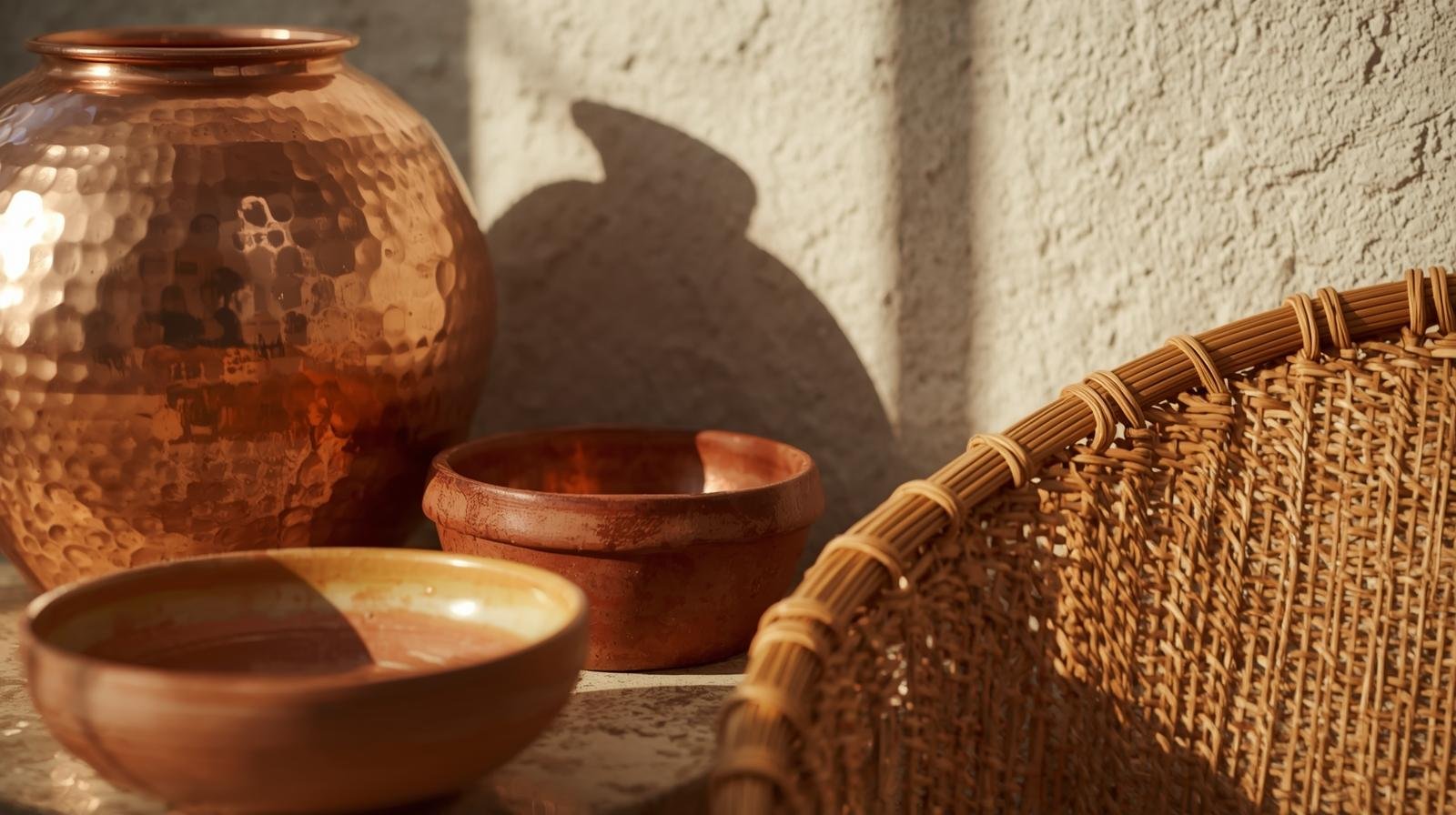
All copper vessels—pots, pans, serving dishes—came from a family workshop that has been beating copper for five generations. Each piece is formed from a single sheet through hundreds of hammer strikes. The copper will develop patina with use; the restaurant embraces this aging as part of the material's character.
Andretta Pottery, Himachal Pradesh
Complete tableware was commissioned from Andretta Pottery. Each piece is wheel-thrown from local clay and finished with glazes developed specifically for this project. The earth-toned palette—ranging from warm terracotta to cool grey—provides neutral canvas for food. Firing happens in a wood kiln, creating subtle color variations piece to piece.
Delhi artisans, layered application
Where new plaster was required, we employed traditional lime plaster—mixed on-site and applied in multiple thin coats. The material breathes, regulates humidity, and develops warm patina over time. Colors were achieved through natural pigments mixed into the final coat—no paint covers these walls.
The restaurant opened eight months ago to immediate acclaim—not just for the food, though the food merits every accolade, but for the entire experience. Reviews consistently mention the space, the atmosphere, the feeling of authenticity. Diners ask to visit the kitchen, to meet the ceramicist, to understand where specific elements came from. This engagement delights Chef Sadhu, who sees it as validation of his holistic vision.
The restaurant has become gathering place for Delhi's food community. Visiting chefs come not to be served but to observe—noting how the open kitchen fosters connection, how the communal tables encourage conversation among strangers, how the craft objects elevate the mundane act of eating into something more ceremonial.
From our perspective, this project demonstrates hospitality design's potential to transcend mere service. A restaurant can be more than a place to eat; it can embody values, support traditional crafts, create beauty through everyday objects, and foster genuine community. When design, cooking, and craft align around shared principles, the result resonates beyond any single discipline.
The space has changed subtly since opening. The wood tables show knife marks and water rings—evidence of use we celebrate rather than conceal. The cane seats have compressed slightly. The copper has developed patina. These changes make the space more itself, recording its own history as it accumulates stories.
We collaborate with restaurateurs, hoteliers, and hospitality brands who understand that environment shapes experience. Our approach begins with your concept, your values, and your vision for how guests should feel.
Begin Conversation