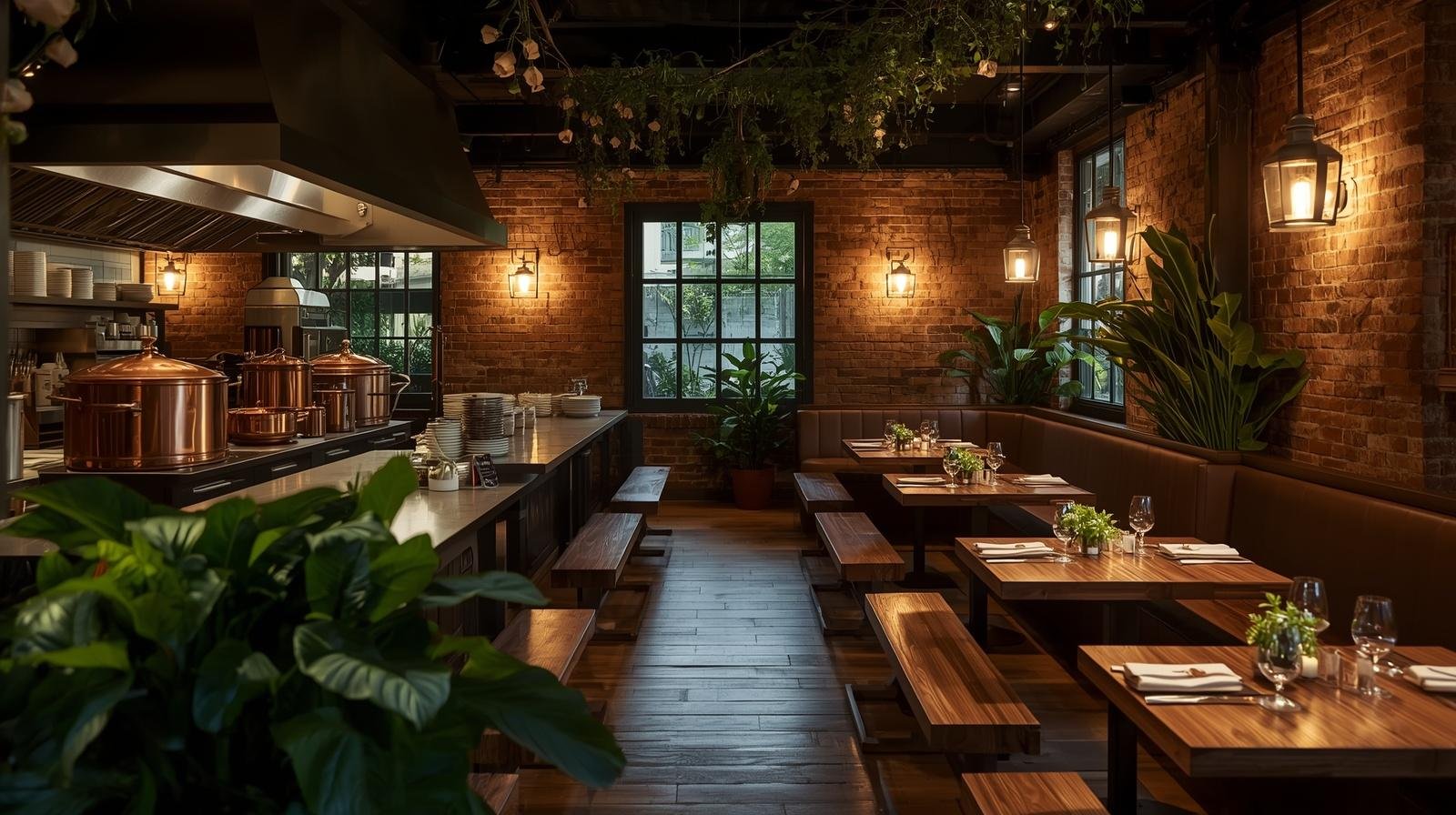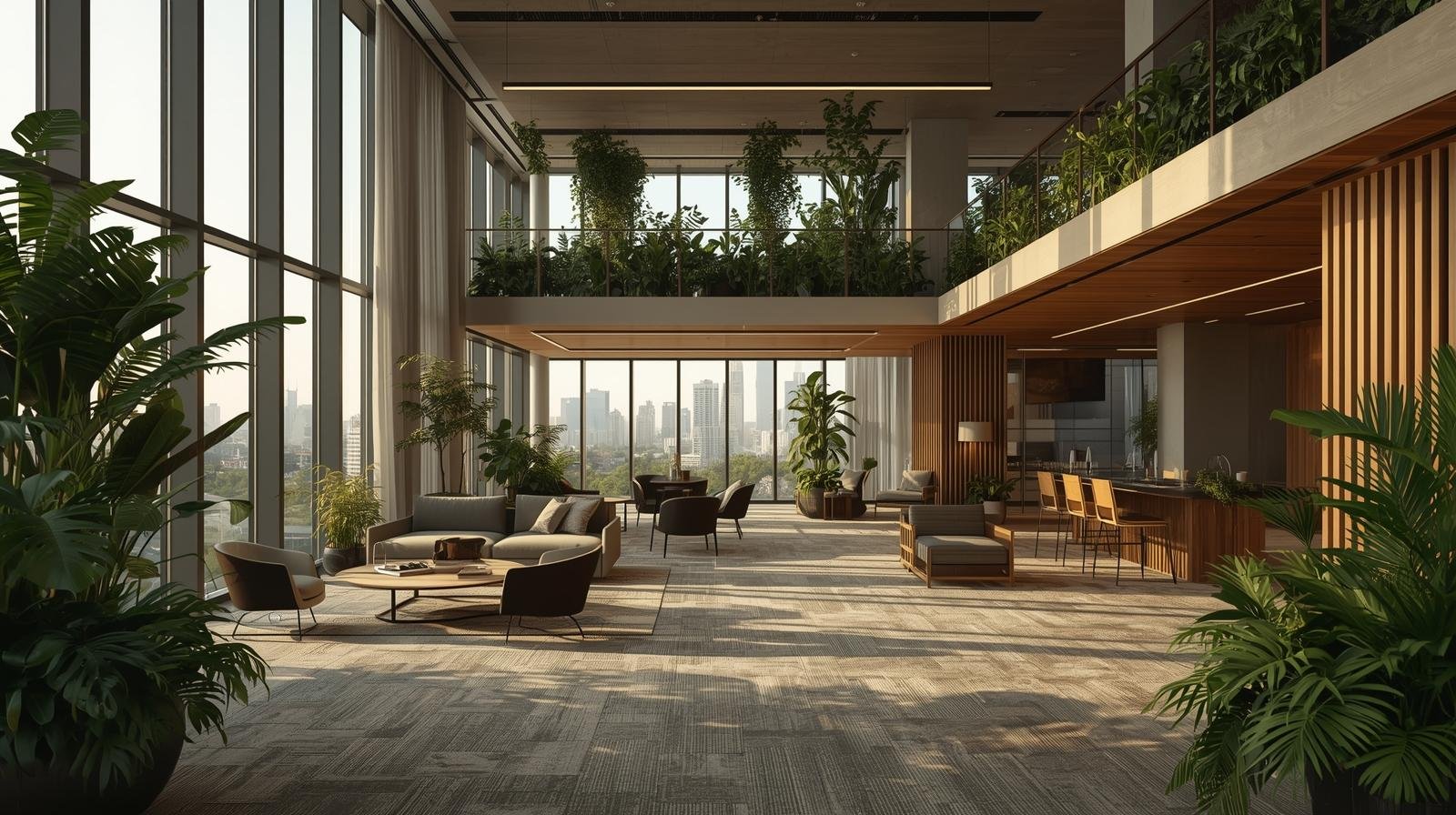
A 12,000 sq ft technology workspace where biophilic design principles foster creativity, collaboration, and wellbeing—redefining what a contemporary Indian office can be.
When the founders of this rapidly scaling fintech startup approached us, they carried a conviction: that workspace design directly influences innovation. Having spent years in Silicon Valley's open offices and then Mumbai's traditional corporate environments, they sought something different—a space that would attract India's best talent while honoring the pace and rhythm of deep work.
Their brief centered on three principles: transparency in both literal and cultural senses, flexibility to accommodate rapid growth, and an environment that would make people genuinely want to come to office. They had secured a raw shell in Gurgaon's Cybercity—generous floor plates with excellent light but no architectural distinction. Our task was to create identity and atmosphere where none existed.
We began with the understanding that contemporary knowledge work requires varied settings. Open collaboration spaces alternate with quiet zones for focused work. Meeting rooms range from intimate two-person alcoves to a forty-person town hall. Each environment employs different acoustic strategies, lighting conditions, and material palettes—creating what we call "cognitive wayfinding," where the space itself signals its intended use.
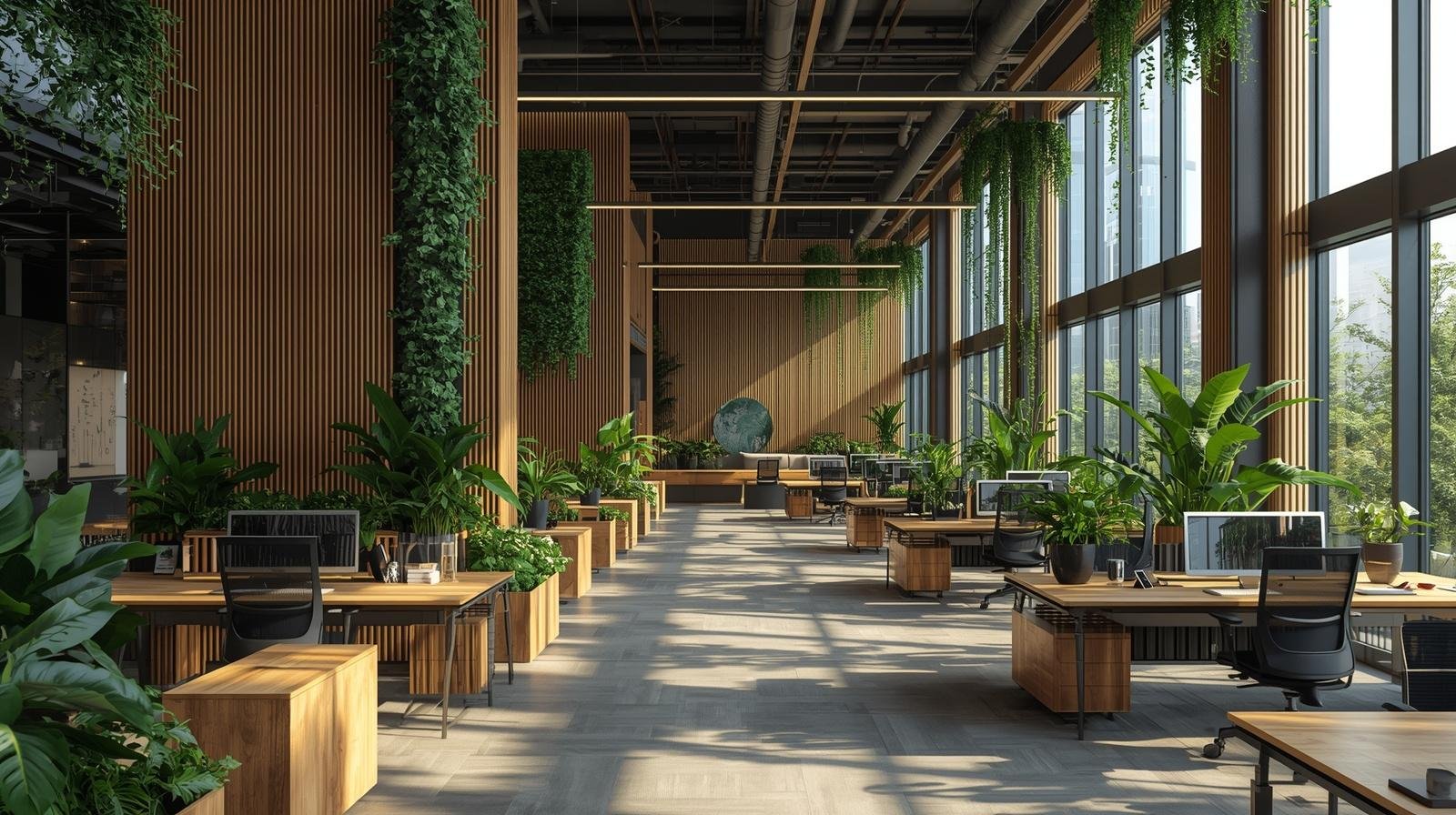
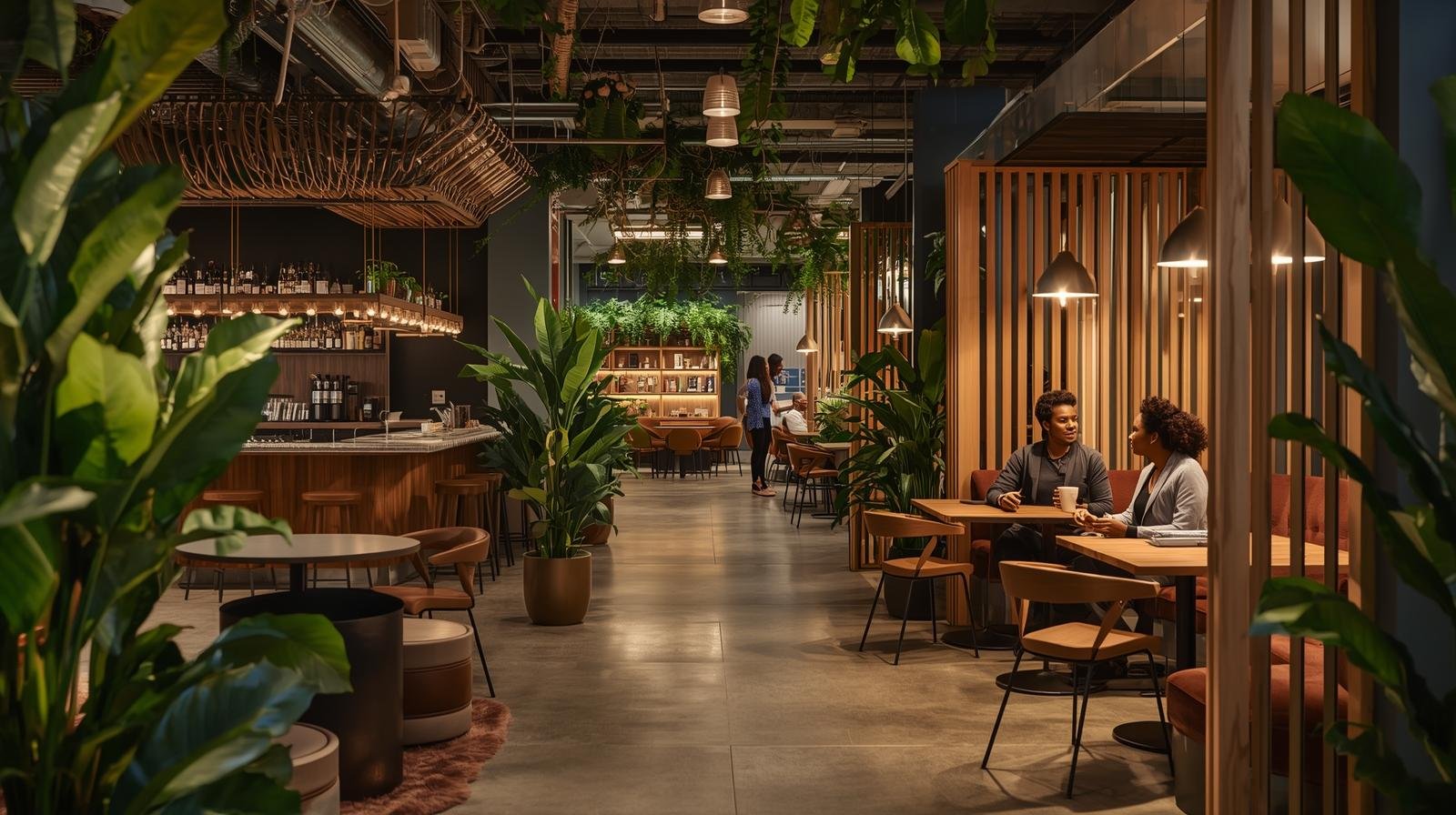
The central spine—a walkway running the office's length—became our organizing principle. Rather than the typical corridor, we conceived it as an internal street. Pantries, informal seating, library nooks, and phone booths line this path, creating what the team now calls "collision spaces"—places where spontaneous conversations happen organically. The pathway's material transitions from polished concrete near reception to warm teak as it moves deeper into the workspace, marking the shift from public to collaborative zones.
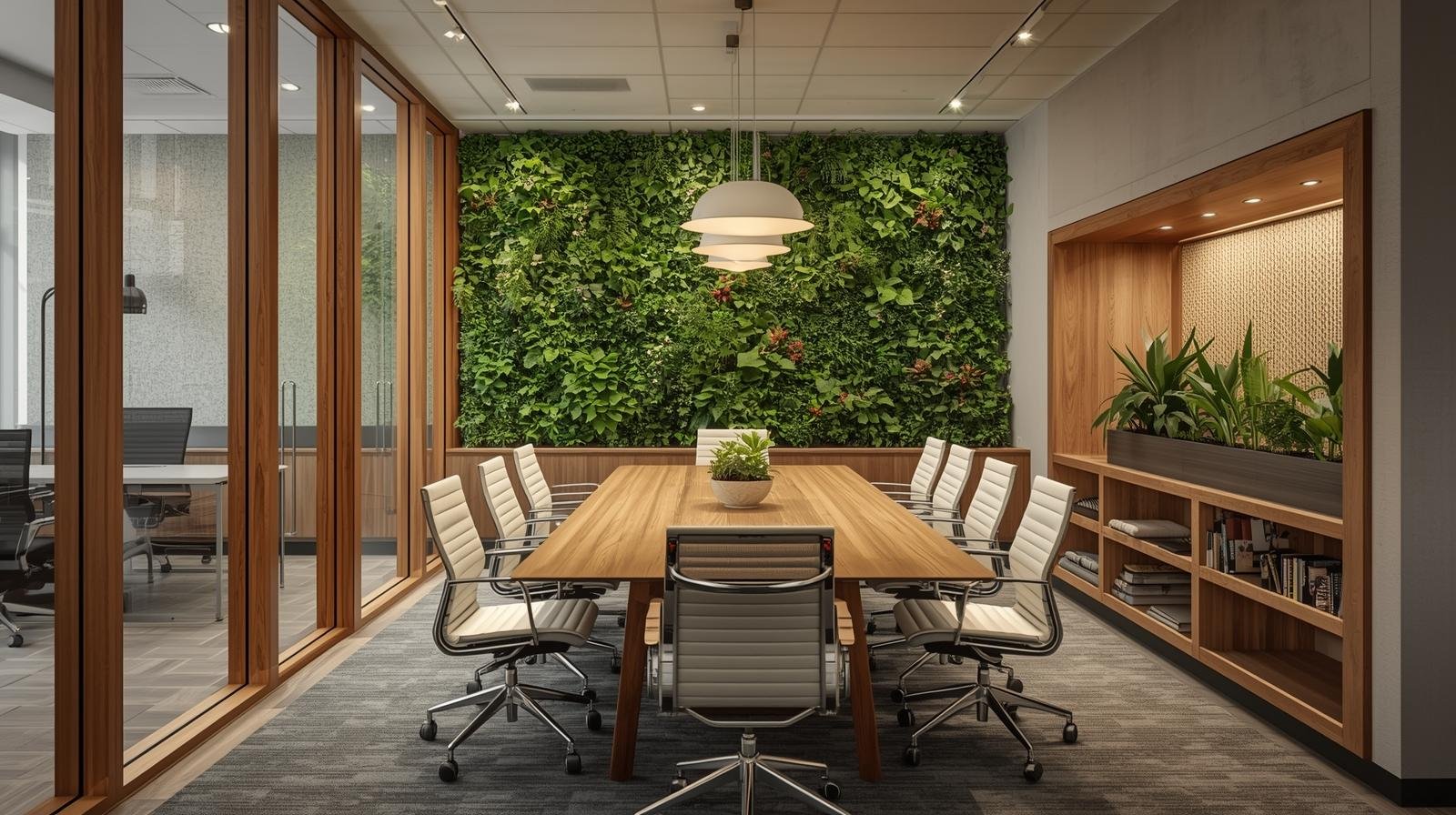
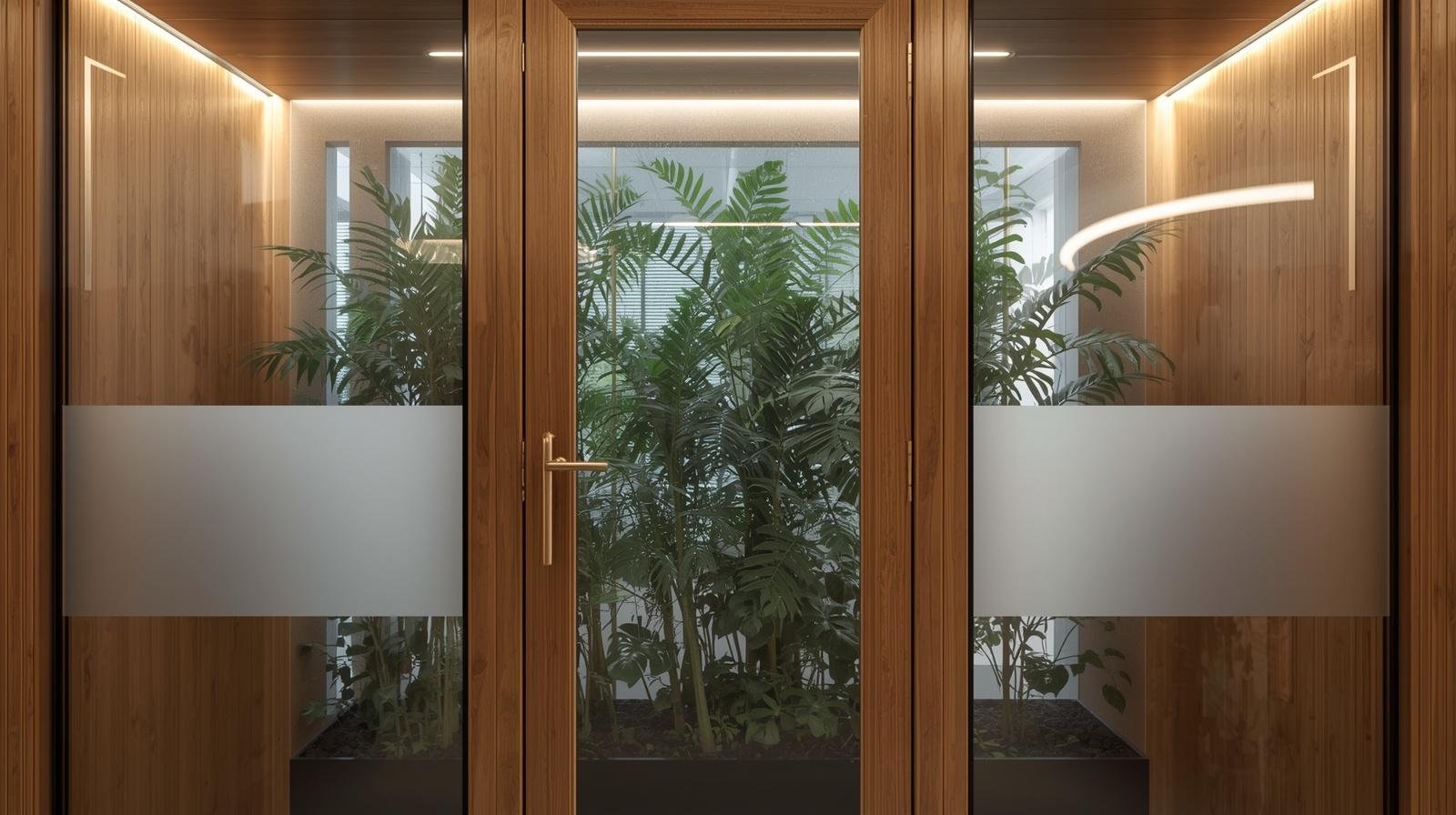
Biophilic design informed every decision. Over two hundred plants—selected for their air-purifying qualities and tolerance of office conditions—are integrated throughout. We designed custom planters in terrazzo and brass, positioning them not as decoration but as active participants in spatial division and acoustic treatment. Vertical gardens anchor meeting rooms, living moss walls absorb sound in open areas, and potted trees define territories without solid barriers.
Material choices reinforced connection to nature. Where corporate offices typically employ synthetic materials for ease of maintenance, we specified natural alternatives wherever possible. Desktops are solid oak, finished with hardwax oil. Acoustic panels use compressed wool felt rather than foam. Flooring transitions from concrete to cork to teak, each material chosen for its haptic qualities and aging characteristics.
Technology integration happened invisibly. All screens retract into millwork, video conferencing equipment disappears into ceiling pockets, and cable management occurs beneath raised flooring. The goal was to create a space that feels low-tech in its materiality while enabling high-tech work. Lighting employs circadian principles—cooler tones in morning, warmer as day progresses—controlled by sensors that respond to natural light levels and occupancy patterns.
The central spine evolved beyond circulation into the office's social heart. Morning coffee conversations happen in the espresso bar near reception. Midday, the lunch zone—equipped with full kitchen—becomes a gathering point. Afternoon energy dips find people in reading nooks lined with design books and industry journals. The team library, housing technical references and fiction alike, sees constant use.
We designed custom furniture for these zones: a long communal table in reclaimed teak for lunch gatherings, reading chairs upholstered in Kerala handloom cotton, phone booth frames in powder-coated steel with acoustic glass. Each piece was conceived for its specific location and use pattern, developed through workshops with the staff during design development.
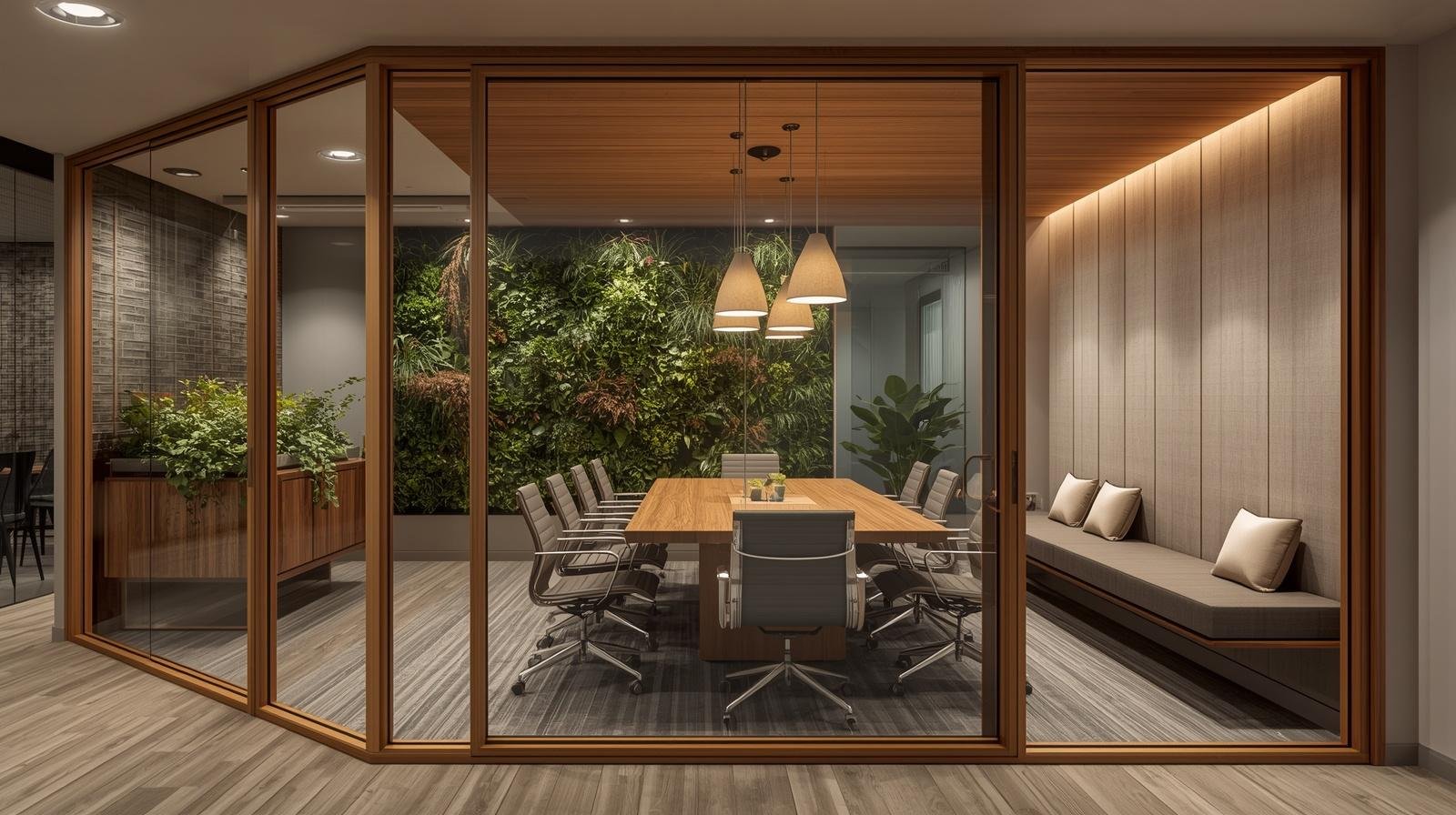
"Our people literally spend more time here than at home. The space Crosby created isn't just beautiful—it's fundamentally changed how we work. Ideas flow differently when you're surrounded by living things and natural materials instead of grey cubicles."— Arjun Malhotra, Co-Founder & CEO
Salvaged from Kerala warehouses, refinished
All communal tables and feature walls employ teak salvaged from dismantled colonial-era warehouses. Each piece carries history in its grain—bolt holes, saw marks, natural weathering. We cleaned, planed, and refinished the wood with natural oils, preserving its character while making it suitable for daily use.
Cast terrazzo with custom aggregate, brass trim
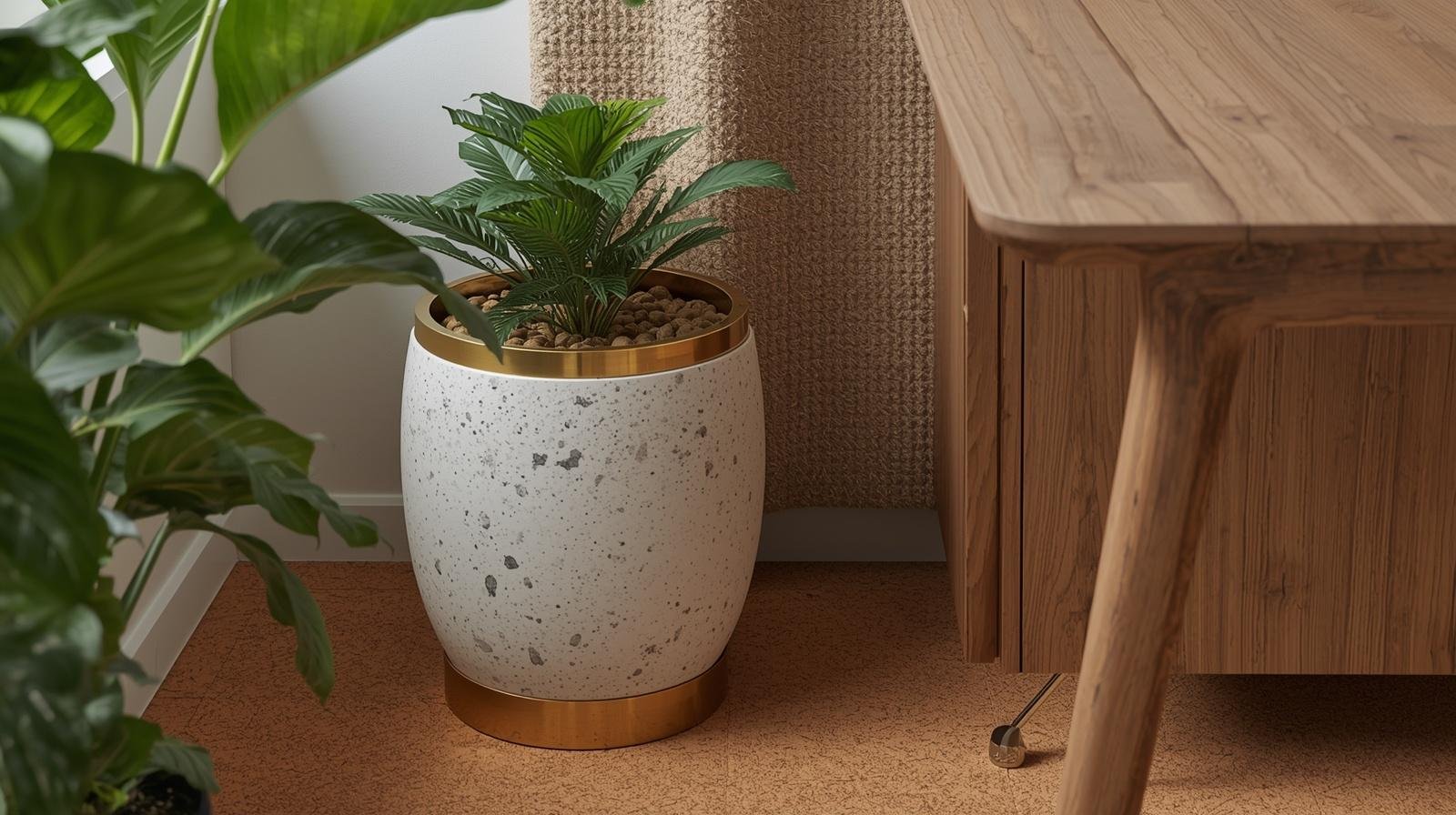
Planters were custom-designed in five sizes to accommodate different plant types. The terrazzo incorporates recycled marble chips and brass shavings, creating subtle sparkle. Brass trim edges provide durability and visual refinement. Each planter includes integrated drainage and wicking systems to reduce maintenance.
100% wool felt, natural dyes
Rather than synthetic acoustic tiles, we specified panels made from compressed wool—a renewable, biodegradable material with excellent sound absorption. Natural dyes in greys, ochres, and deep greens create subtle color variation. The panels mount frameless, appearing to float against walls.
Portuguese cork, natural finish
Transition zones employ cork flooring—warm underfoot, naturally antimicrobial, and harvested without harming trees. The material's resilience makes it ideal for high-traffic areas, while its acoustic properties contribute to overall sound management. We specified planks in three tones, installing them in a herringbone pattern.
European oak, modular design
All work surfaces employ solid oak with hardwax oil finish. The desks are modular—reconfigurable as team structures evolve. Integrated cable management, adjustable heights, and edge detailing that prevents laptop damage were developed specifically for this project. The wood will develop patina with use, recording the team's growth.
200+ specimens, curated for indoor conditions
Plants were selected in collaboration with a horticultural consultant: pothos and philodendron for hanging installations, snake plants and ZZ plants for low-light corners, ficus and dracaena as floor specimens. Automated irrigation systems and grow lights ensure health. Monthly maintenance is built into the service plan.
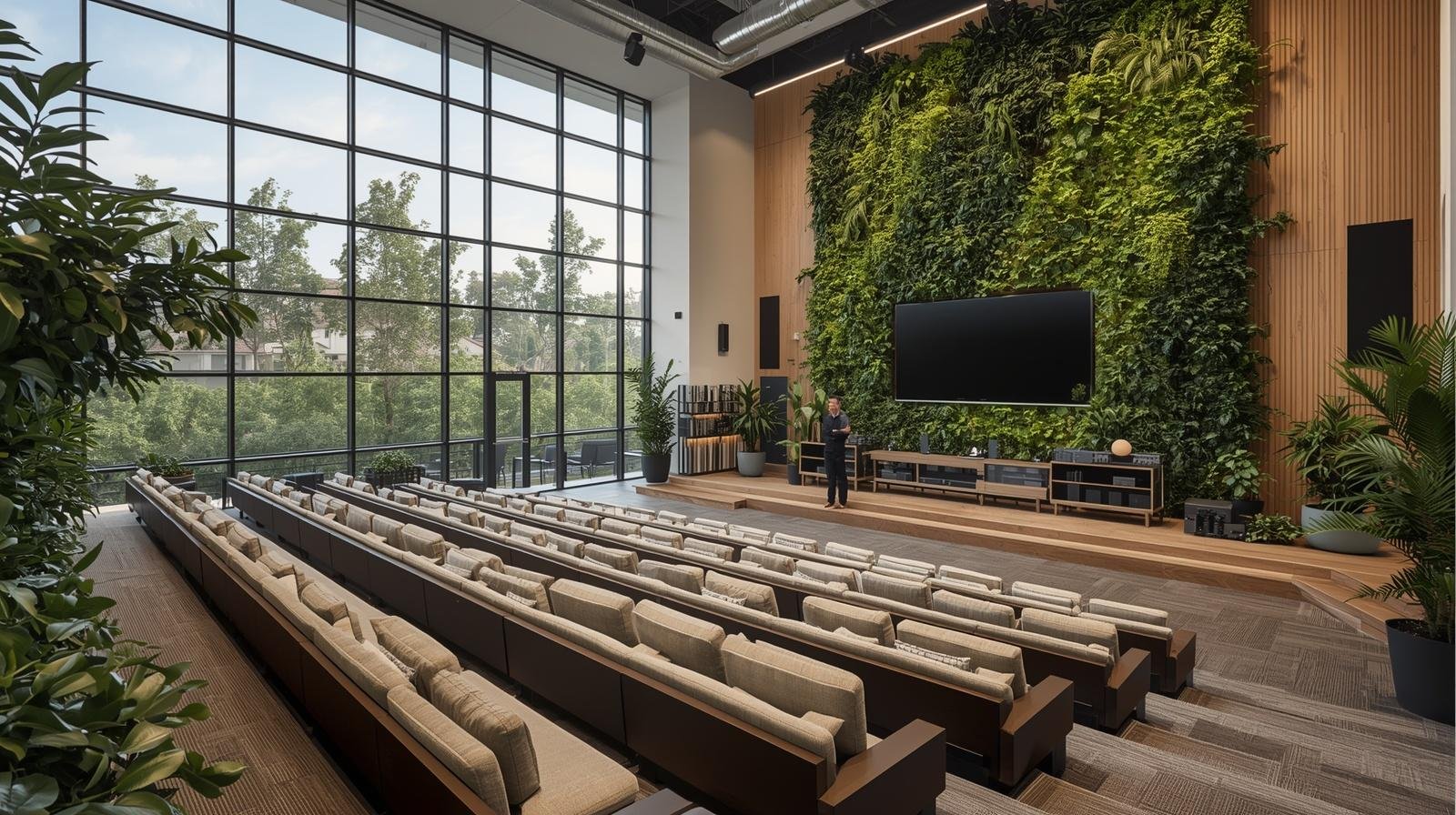
Six months after occupancy, the space has validated our hypothesis: environment shapes culture. The founders report recruitment has become markedly easier—candidates tour the office and accept offers on the spot. Retention has improved, with several team members specifically citing the workspace in stay interviews.
More significantly, work patterns have evolved. The variety of settings encourages movement—people shift locations throughout the day based on task requirements. Collaboration happens organically in the "street" rather than requiring scheduled meetings. The plants have become sources of pride, with team members volunteering to care for specific specimens.
The office has also influenced the broader organization. Observing how biophilic design affected their Gurgaon team, the company is now replicating elements in their Bangalore and Mumbai locations. They've made environmental responsibility part of their corporate identity, citing the workspace as proof that sustainable choices need not compromise quality or aesthetics.
This project reinforces our conviction that commercial interiors can transcend mere functionality. Well-designed workspace is an investment in people—in their health, creativity, and satisfaction. When companies treat their environment with the same care they bring to product development, the returns compound far beyond real estate.
We collaborate with forward-thinking organizations to create workspaces that attract talent, foster innovation, and embody corporate values. Our process begins with understanding your culture, workflows, and growth trajectory.
Begin Conversation