A 300-year-old haveli transformed into 12-suite boutique hotel—where Rajasthani architectural traditions frame contemporary luxury hospitality without pastiche or theme-park nostalgia.
When the property's new owners—a hospitality group known for sensitive heritage conversions across Rajasthan—acquired this derelict haveli near Lake Pichola, they inherited both treasure and responsibility. The structure, built in 1724 by a royal courtier, had survived three centuries but barely. Decades of neglect had left the carved sandstone facades weathered, the painted frescoes fading, the original courtyard choked with unauthorized construction.
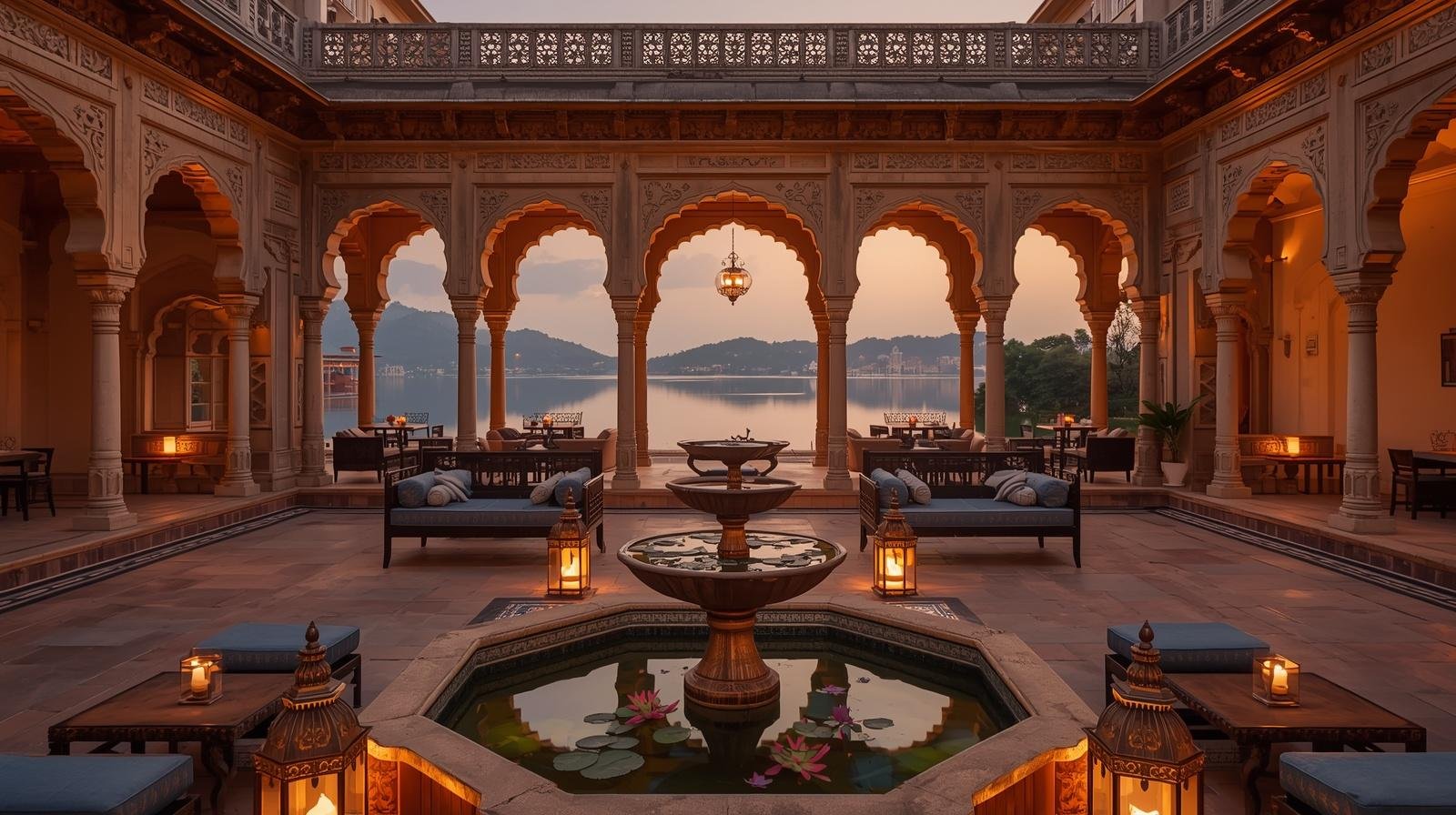
Yet the bones remained extraordinary. Traditional Rajasthani architecture at its finest: multiple courtyards organized hierarchically, intricate jali screens filtering harsh sunlight, water features creating evaporative cooling, proportions that balanced grandeur with intimacy. The owners' brief was clear: restore the haveli's architectural integrity while creating hotel that would meet contemporary luxury standards. No air-conditioned marble lobbies. No theme-park "royal Rajasthani" pastiche. Genuine conservation meeting genuine hospitality.
The challenge was navigating between preservation and adaptation. Heritage regulations required maintaining all original architectural elements. Hospitality standards demanded modern bathrooms, climate control, safety systems. Successful heritage hotels don't choose between these imperatives—they synthesize them through thoughtful design and meticulous craft.
The restoration began with archaeological documentation. We measured, photographed, and drew every architectural element before any intervention. The haveli's original configuration—zenana (women's quarters), mardana (men's quarters), servants' wings, stables—couldn't accommodate hotel program directly. We needed to reimagine circulation, create ensuite bathrooms where none existed, insert mechanical systems invisibly.
The solution employed traditional building techniques executed with contemporary precision. New walls, where required, used the same lime mortar and sandstone as original construction—but were deliberately built slightly thinner, creating subtle distinction legible to trained eyes but invisible to guests. New floors matched original patterns but employed modern waterproofing beneath. Electrical and plumbing were threaded through walls during restoration, concealed behind custom-designed jali panels that reference traditional patterns.
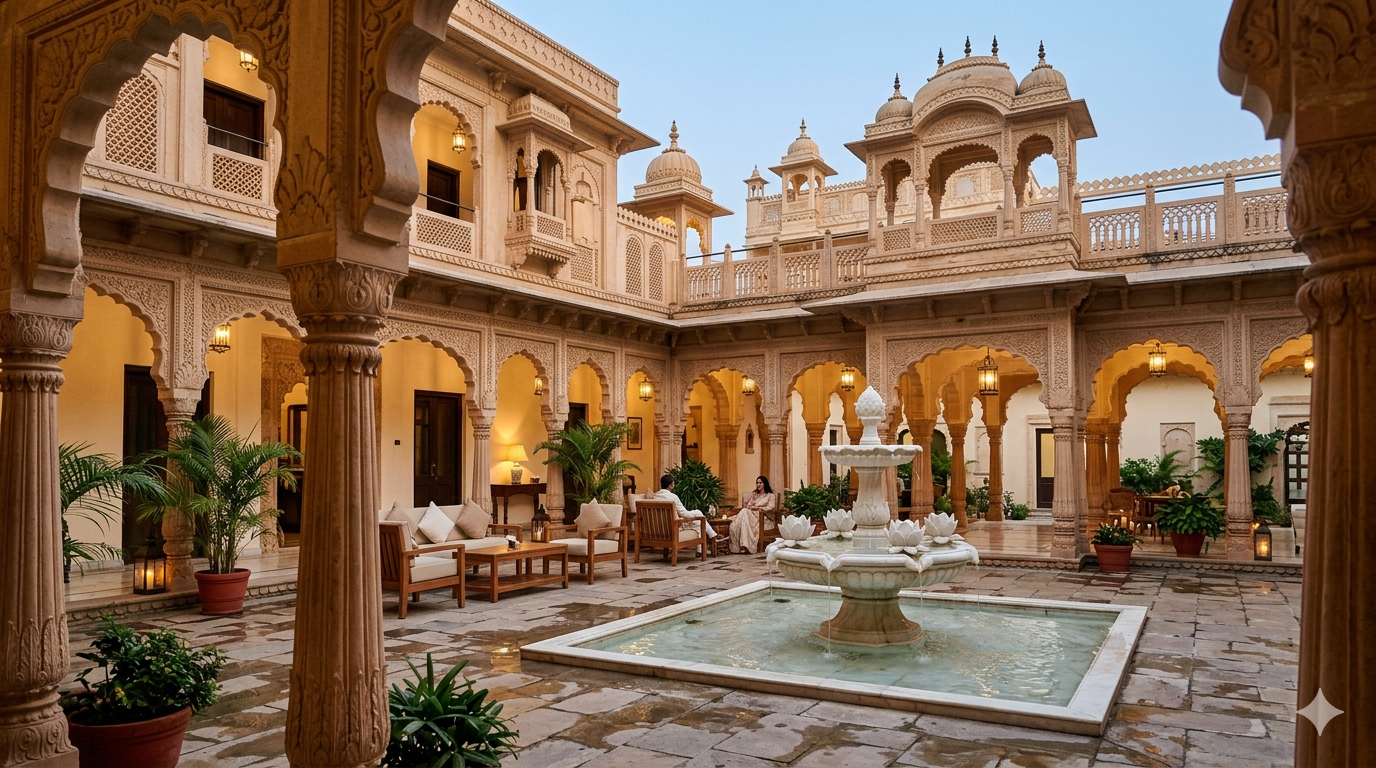
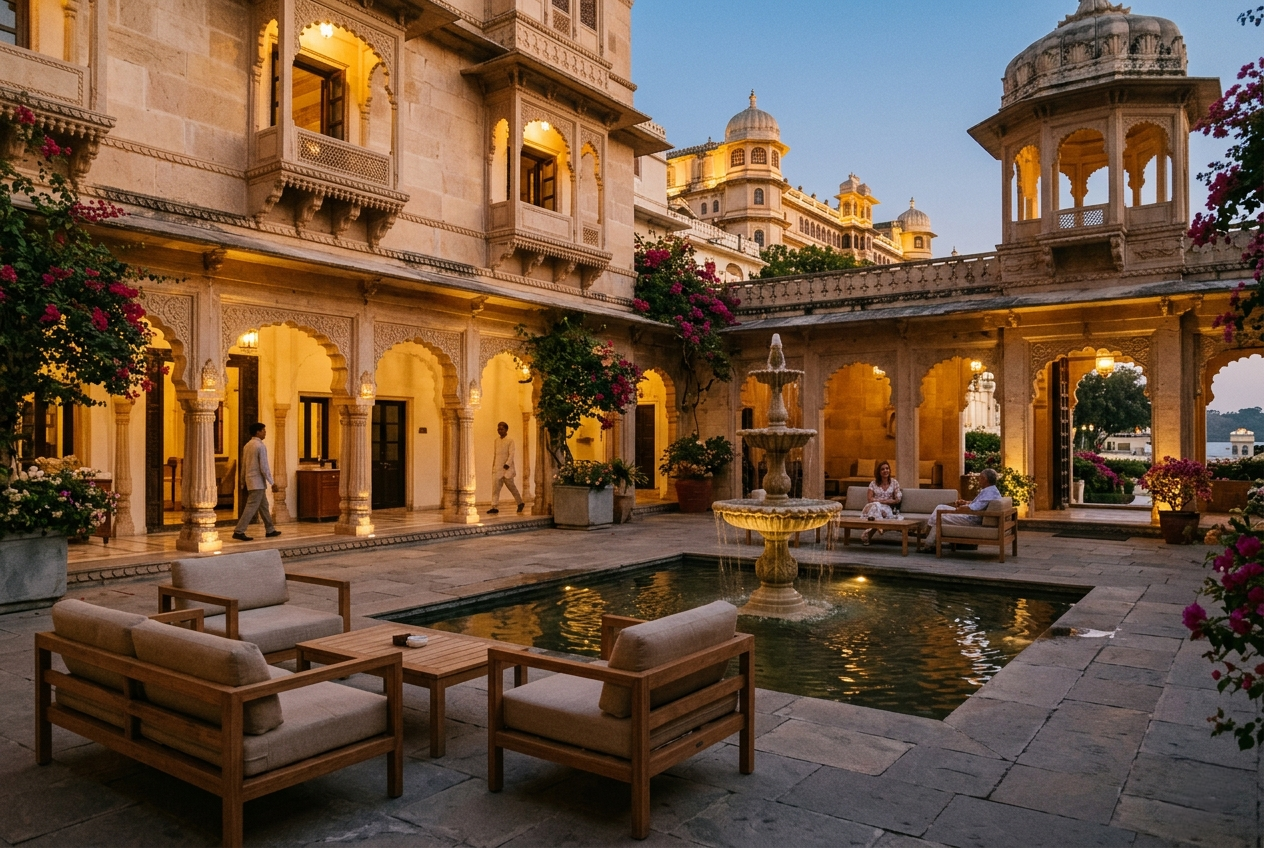
The central courtyard—the haveli's social heart—required particular care. Twentieth-century additions had subdivided the space; we removed these, revealing original proportions. The marble fountain, dry for decades, was restored to working condition. We commissioned new marble lotus sculptures from Makrana artisans using techniques unchanged since Mughal era. Contemporary teak furniture, designed by Delhi studio Phantom Hands, provides seating that feels appropriate without attempting period recreation.
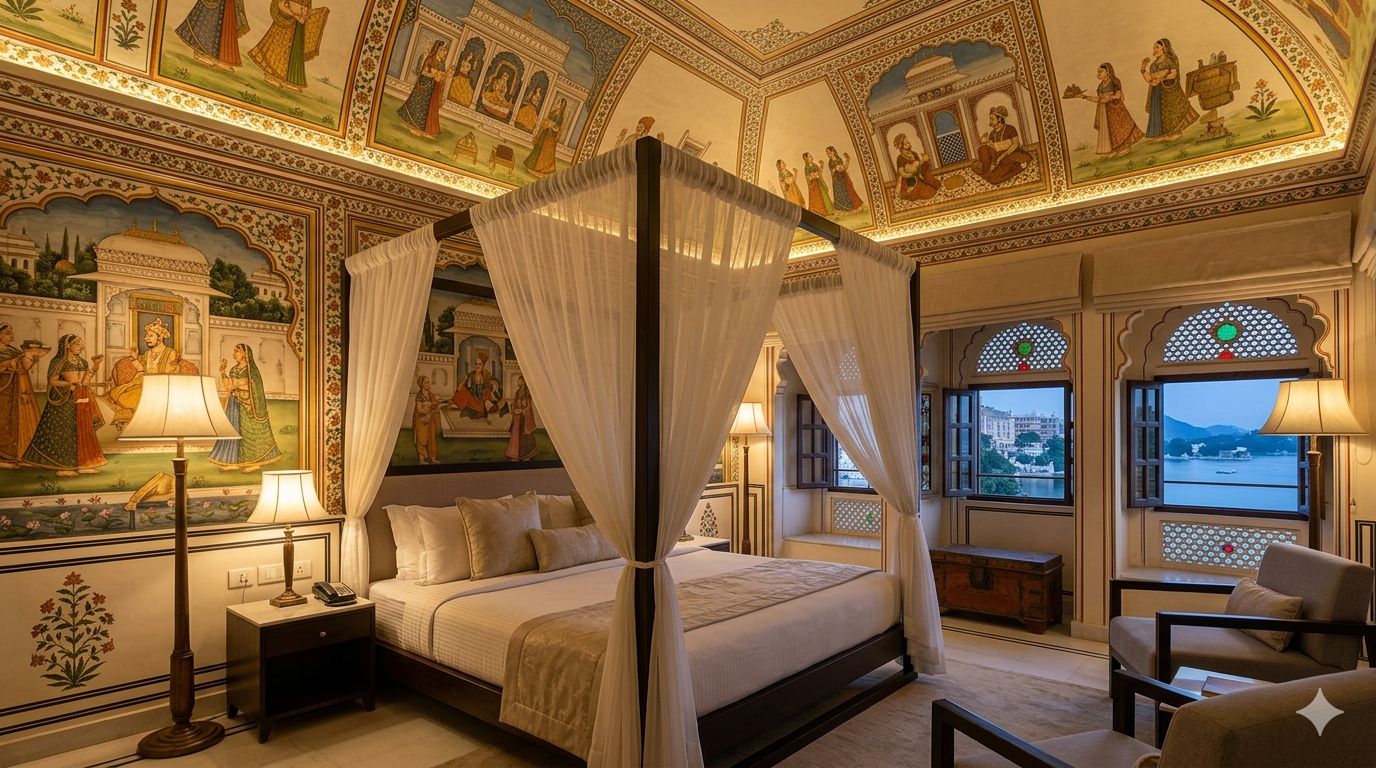
Converting private chambers into hotel suites demanded creative problem-solving. Original rooms, sized for sleeping and minimal furniture, couldn't accommodate contemporary bathroom expectations. We created bathrooms within what had been storage alcoves and service corridors, using traditional arched openings to integrate new spaces with old. The bathrooms employ local Makrana marble—the same stone used in the Taj Mahal—detailed with contemporary fixtures that defer to the architecture.
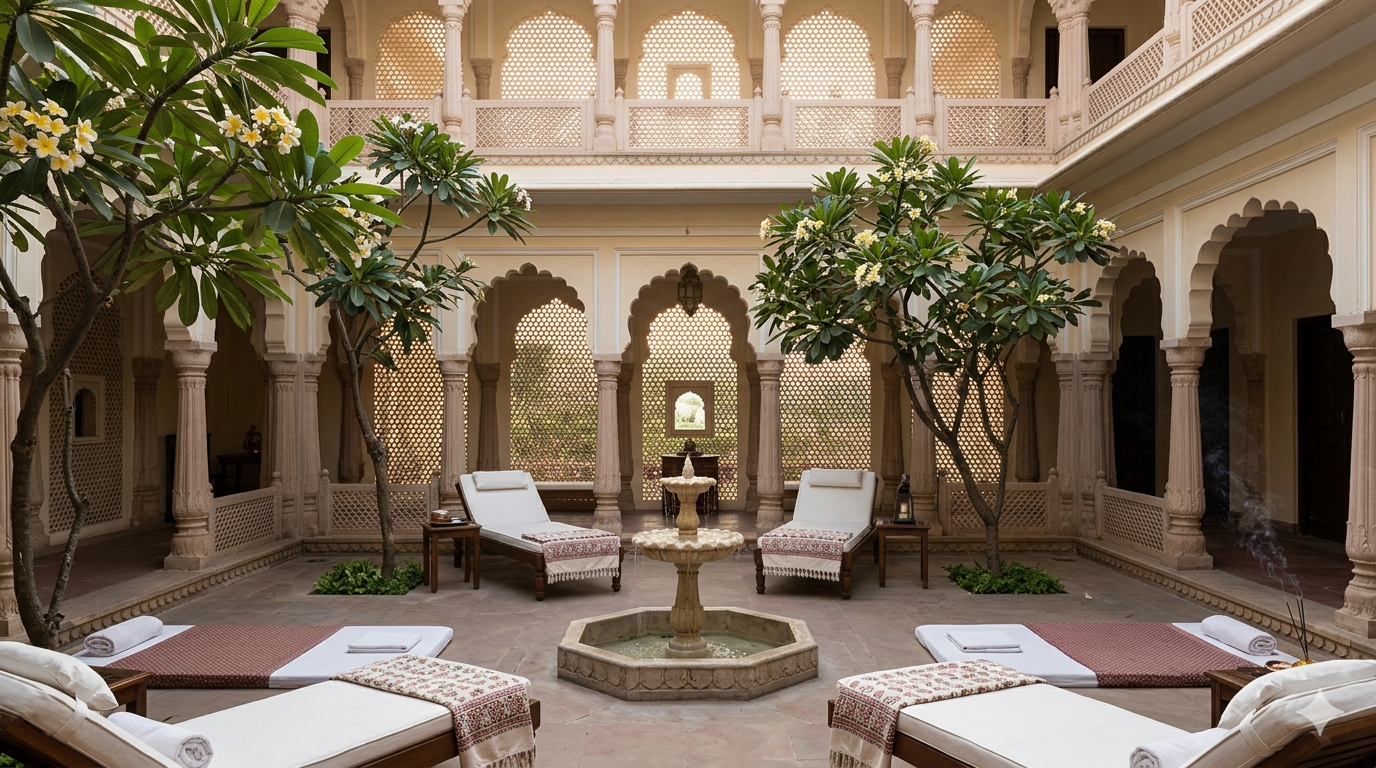
The spa occupies the former zenana courtyard, a space that once provided privacy for the household's women. The intimate scale and original architecture—delicate jali screens, a small fountain, frangipani trees—creates contemplative atmosphere perfect for wellness. Treatment rooms integrate Ayurvedic practices with contemporary spa services. We commissioned copper vessels for traditional treatments from Jodhpur artisans, designed cotton robes from Jaipur handloom weavers, and sourced organic oils from local cooperatives.
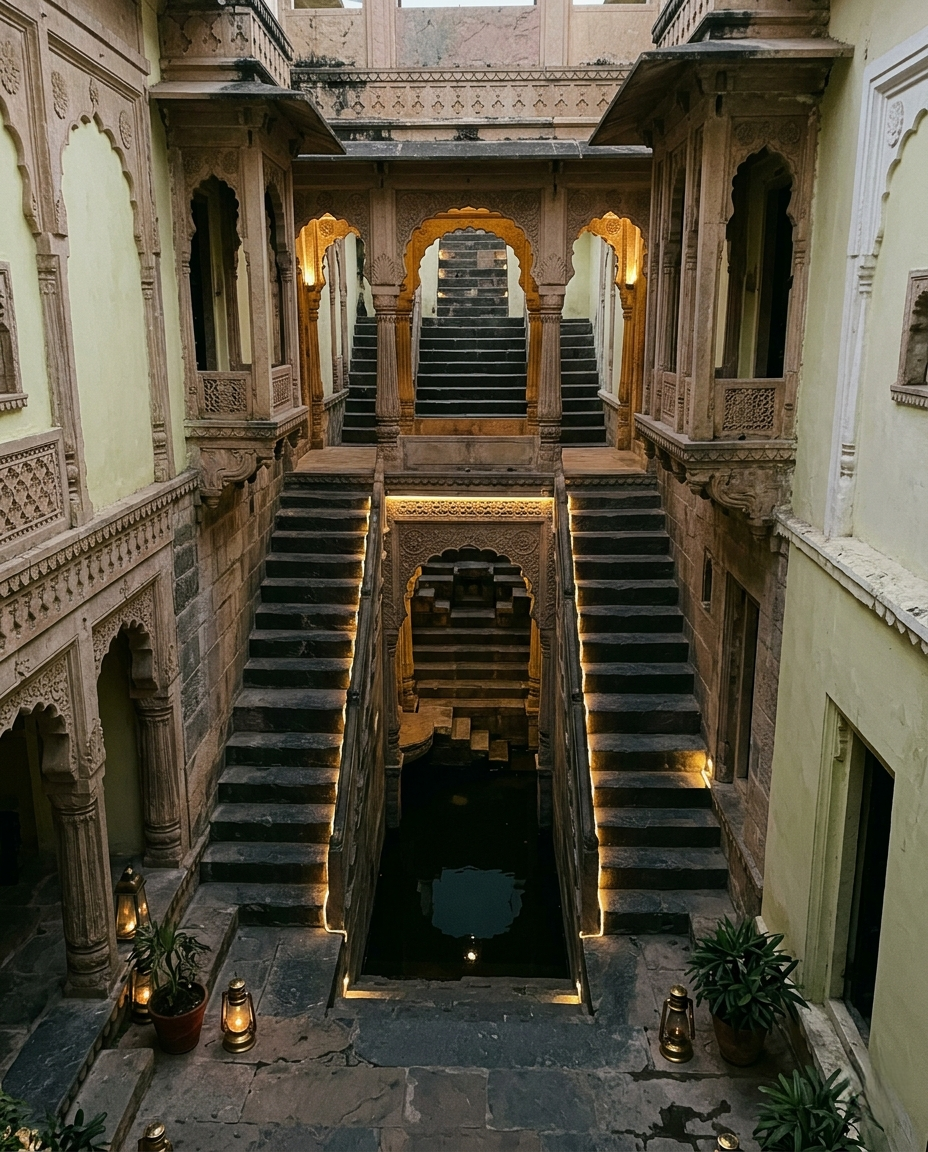
Landscape design honored the haveli's original relationship with water. Rajasthan's scarcity makes water culturally and practically significant. The original stepwell, buried for decades, was excavated and restored—now serving as dramatic entrance feature. Courtyard gardens employ indigenous drought-resistant species: neem, pipal, ashoka trees, bougainvillea, jasmine. Irrigation comes from harvested rainwater and treated greywater—traditional water conservation updated with modern filtration.
Heritage hotel design requires understanding the distinction between restoration, conservation, and pastiche. Restoration returns buildings to specific historical moment, often requiring conjecture about lost elements. Conservation preserves what exists while allowing contemporary adaptation. Pastiche creates false history through superficial decoration.
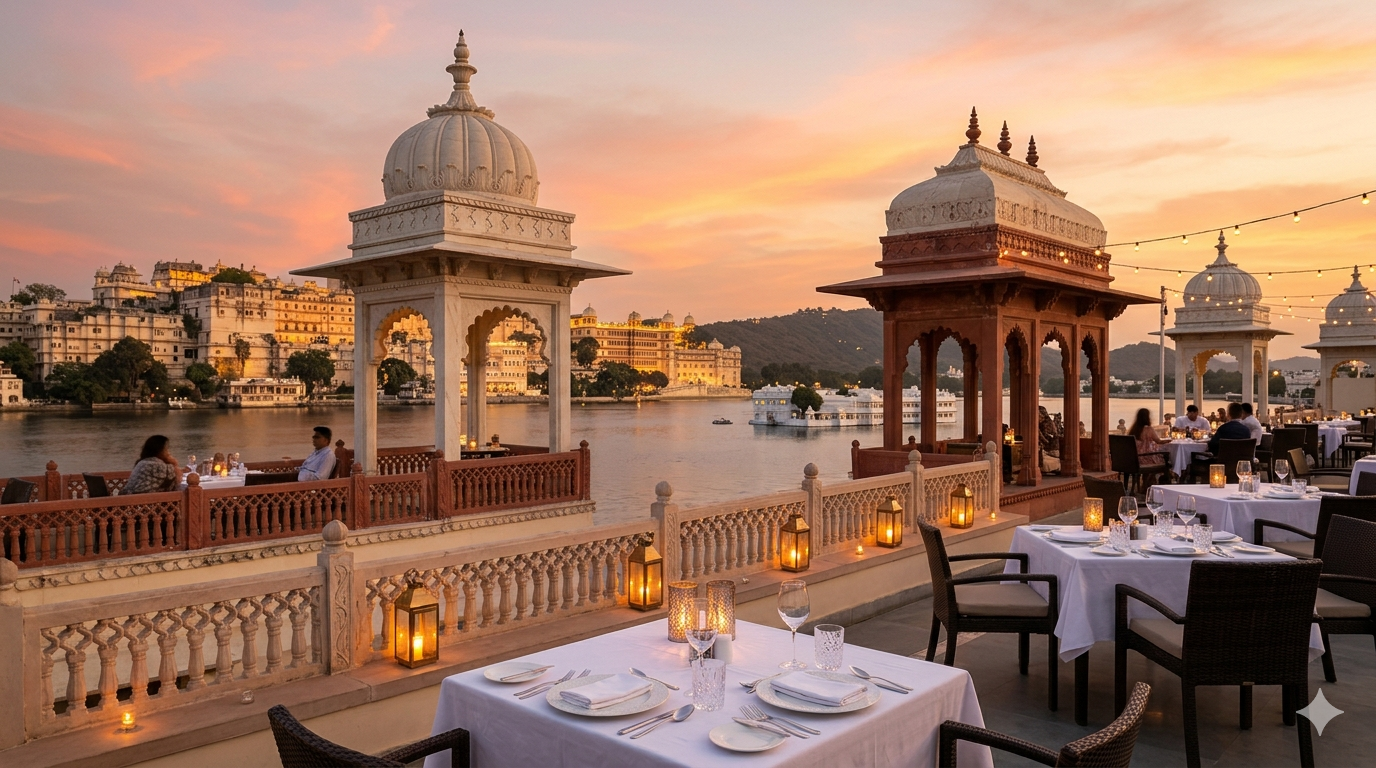
We chose conservation—maintaining authentic architectural elements while honestly introducing contemporary requirements. Where new interventions were necessary, we made them legible. The glass balustrade on the rooftop restaurant, for instance, employs minimal steel framing that contrasts with surrounding sandstone—clearly contemporary insertion rather than historical falsification.
This honesty extends to furnishings. Rather than filling suites with reproduction "antiques" or imported colonial furniture, we commissioned contemporary pieces from Indian designers who work within traditional craft systems. Phantom Hands provided beds using traditional joinery executed in clean contemporary forms. Good Earth supplied textiles—block-printed cottons and handloom silks in colors derived from the haveli's original palette. Each piece is genuinely made, carrying authentic craft provenance, but makes no false claims to historical period.
The lighting strategy balanced conservation requirements with hospitality needs. Original spaces were designed for oil lamps and daylight—atmospheric but inadequate for contemporary use. We installed LED systems with warm color temperatures (2700K) that approximate oil lamp quality. Fixtures, custom-designed to reference traditional forms without replicating them, provide functional illumination while respecting the architecture's character.
"Too many heritage hotels feel like museums where you sleep uncomfortably among reproduction furniture. We wanted something else: genuine architecture, genuine craft, genuine hospitality. Crosby understood that honoring the past doesn't mean recreating it—it means respecting what exists while serving present needs honestly."— Vikram Oberoi, Owner, The Haveli Collection
Original 18th-century stone, traditional lime mortar
All sandstone elements—walls, pillars, arches, carved screens—were carefully cleaned using gentle methods (no pressure washing or chemicals). Damaged sections were repaired using stone from the same Jodhpur quarries that supplied original material. New mortar matches original formulation: lime, sand, and jaggery (traditional additive that improves binding). The repairs are deliberately slightly recessed, creating subtle shadow line that marks intervention without disrupting visual continuity.
Mineral pigments, traditional techniques
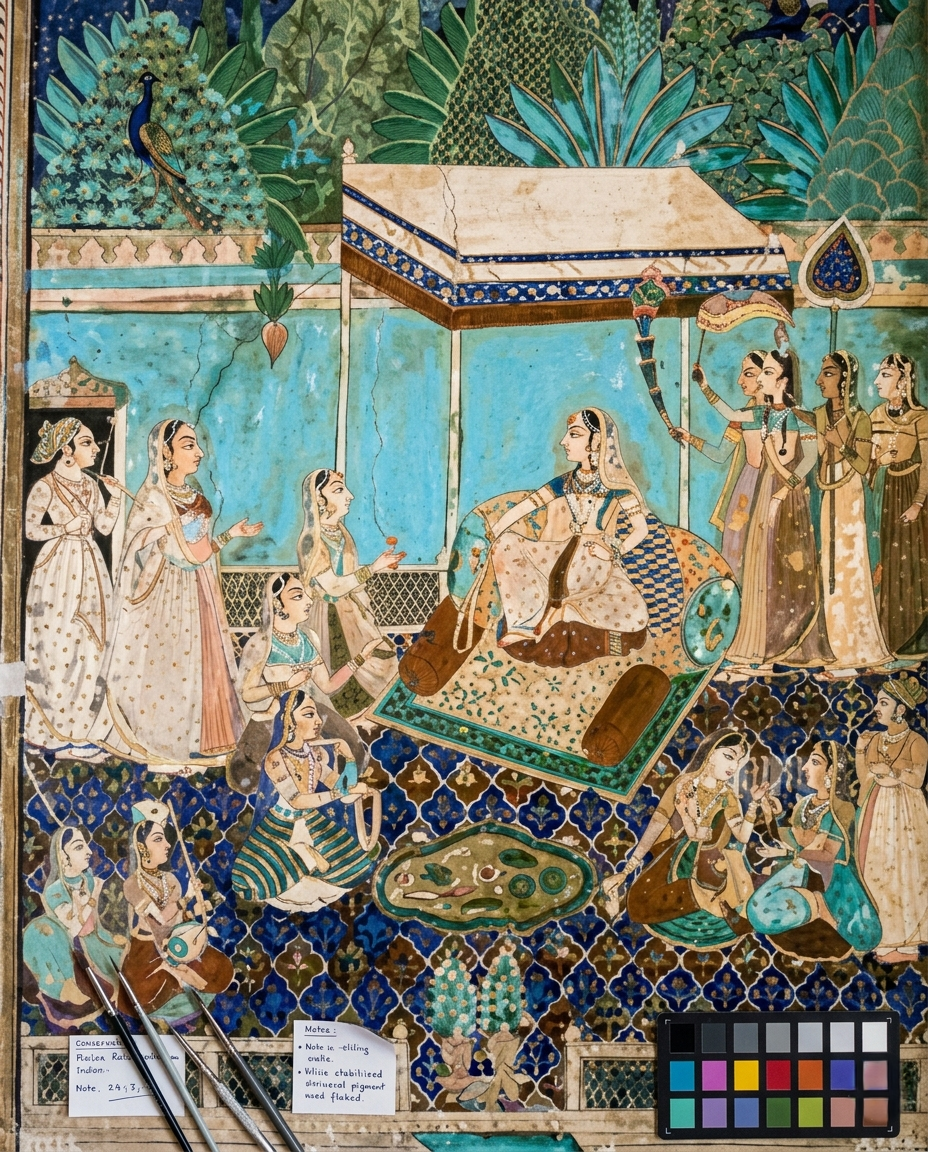
Fresco conservation followed international standards. Deteriorating plaster was stabilized with lime injections. Centuries of soot and whitewash were removed using specialized solvents and manual cleaning. Lost sections were left as neutral plaster rather than conjecturally "restored." Surviving paint was retouched only where necessary using reversible mineral pigments that can be removed by future conservators if desired. The work was documented photographically at every stage.
From Rajasthan quarries, hand-carved details
All new marble work—bathroom floors, fountain sculptures, door thresholds—employs Makrana marble, maintaining material continuity with original construction. The marble was cut and finished by artisans in Makrana whose families have worked this stone for generations. Lotus sculptures for the fountain were hand-carved following Mughal-era techniques, each petal individually shaped and polished.
Sandstone, hand-carved geometric patterns
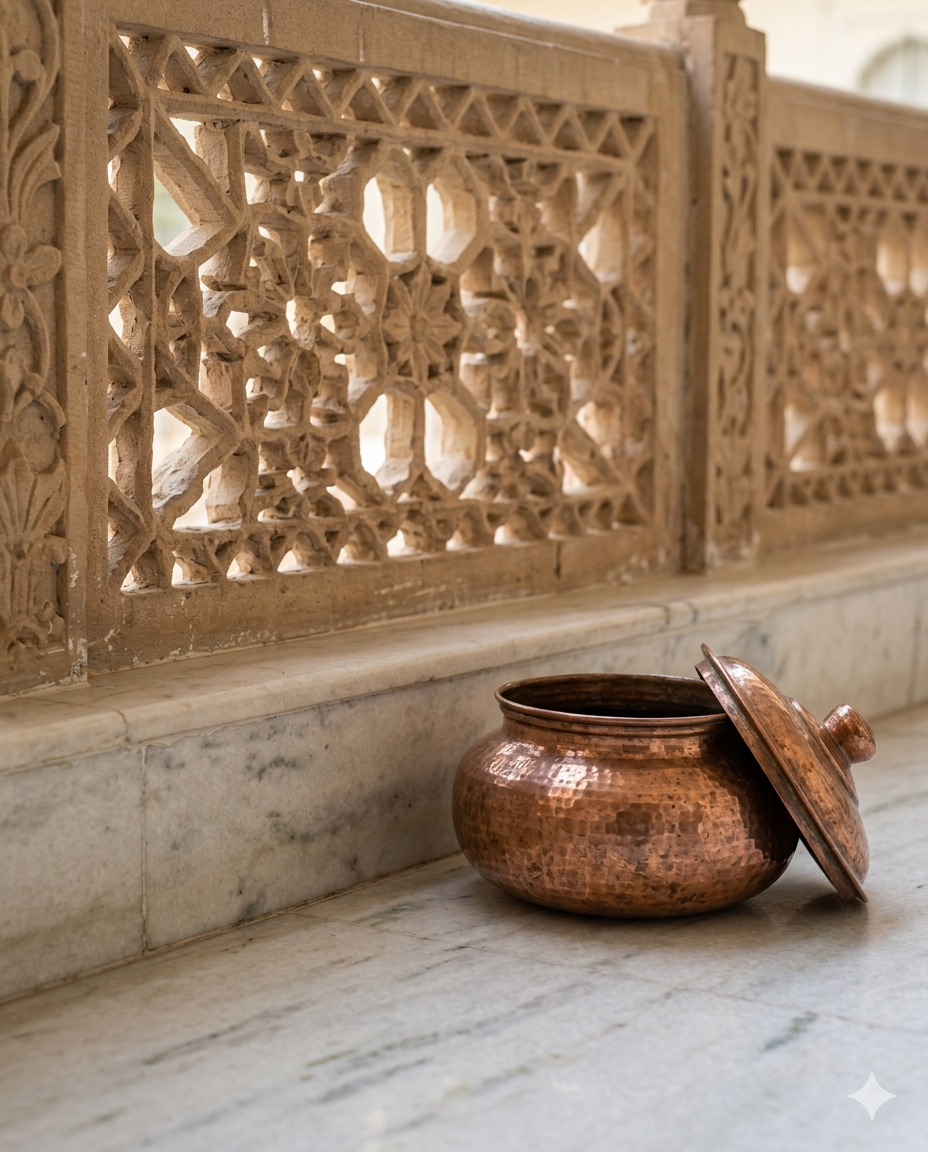
Where new jali screens were required (for ventilation grilles concealing mechanical systems), we commissioned them from Jaisalmer stone carvers who maintain traditional techniques. Each screen is carved from single sandstone block—no assembled pieces. The geometric patterns reference but don't replicate original designs, creating family resemblance while marking contemporary intervention. The carving process took four months; each screen represents approximately 200 hours of hand work.
Phantom Hands, Good Earth, local artisans
All furniture was commissioned from Indian makers working within traditional craft systems. Beds and seating from Phantom Hands employ traditional joinery (mortise-and-tenon, dowels, no screws) executed in contemporary forms. Textiles from Good Earth use block-printing and handloom weaving—centuries-old techniques applied to current designs. Lighting fixtures, designed specifically for the project, were fabricated by metalworkers in Old Delhi using hand-beating and traditional patination.
Jodhpur and Delhi artisans, traditional techniques
All metalwork—spa vessels, lighting fixtures, door hardware, bathroom fittings—was commissioned from traditional metal artisans. Copper vessels for spa treatments were hand-beaten from single sheets by Jodhpur craftsmen, then treated with traditional patination. Brass fixtures were cast using lost-wax technique, then hand-finished. The metal will develop natural patina over time, recording the hotel's use.
The hotel opened eighteen months ago to critical acclaim—not just from hospitality press but from heritage conservation community, which rarely embraces commercial adaptive reuse. We've been cited by conservation journals as example of "authentic heritage hospitality"—designation we find both validating and slightly ironic, given how many "heritage" hotels manufacture false authenticity through reproduction furniture and theme-park decoration.
What makes our approach work, we believe, is refusing the binary choice between museum and modernization. The haveli is neither frozen in 1724 nor stripped of historical character. It continues its life, adapted for new use, honestly showing both its age and its contemporary interventions. Guests understand they're sleeping in rooms that once housed courtiers while enjoying bathrooms that definitely didn't exist in the 18th century. This honesty feels respectful rather than jarring.
The local community's response has been particularly gratifying. Udaipur suffers from heritage tourism that often displaces residents and commercializes culture into caricature. We made deliberate choices to counter this: employing local artisans rather than importing from Delhi or abroad, sourcing materials regionally, training local staff in hospitality while respecting their cultural norms, opening the rooftop restaurant to outside guests (not just hotel residents), and supporting traditional crafts through our procurement.
The hotel's success—93% occupancy rate with average room rates among Udaipur's highest—proves that thoughtful heritage conservation can be commercially viable. Guests pay premium not for five-star chain amenities (which we deliberately don't offer) but for authentic architecture, genuine craft, and atmosphere impossible to manufacture. This validates our conviction that luxury increasingly means authenticity, provenance, and cultural depth rather than standardized opulence.
We've been approached about similar projects—derelict havelis, old palaces, abandoned merchant houses—across Rajasthan and beyond. Each conversation begins with the same questions: Can you make it profitable? Can you satisfy modern guests? Our answer, increasingly confident: yes, but only by refusing to choose between conservation and hospitality. The haveli proves they're not opposing forces but complementary when approached with care, craft knowledge, and respect for both historical architecture and contemporary needs."
We collaborate with owners of historic properties seeking sensitive conversion to contemporary hospitality use. Our approach balances conservation requirements with guest expectations through traditional craftsmanship and thoughtful intervention.
Begin Conversation