
MAGAZINE
The Essential Guide to Furniture Items: Selection, Care, and Trends


Introduction to Furniture
Furniture, in its essence, encompasses the various movable objects that support human activities such as seating, sleeping, and storing. It plays a crucial role in our daily lives, contributing significantly to the functionality and aesthetics of both residential and commercial spaces. The term ‘furniture’ typically includes items such as chairs, tables, sofas, beds, cabinets, and shelves, among others. Throughout history, furniture has evolved not merely in design but also in its purpose and material composition.
The historical significance of furniture can be traced back to ancient civilizations where it began as simple utilitarian objects. In ancient Egypt, for instance, wooden stools and chests were crafted for both utility and symbolism, indicating the status of their owners. As societies progressed, so did their approach to furniture production, aligning with cultural preferences, technological advancements, and artistic movements. For example, the Renaissance period introduced intricate designs and rich materials, showcasing not just functionality but also craftsmanship and artistry.
In the modern era, furniture serves diverse roles beyond utility; it reflects personal identity and lifestyle choices. From minimalistic designs that promote simplicity to eclectic styles that make bold statements, furniture is integral to the ambiance of any environment. Functionality is balanced with design, leading to innovations such as multi-purpose furniture that optimizes small living spaces, catering to contemporary demands for efficiency without compromising style.
As we navigate various trends, including sustainable materials and ergonomic designs, furniture continues to adapt to the ever-changing preferences of consumers. Hence, understanding furniture goes beyond recognizing its forms; it involves acknowledging its historical evolution, functional roles, and significant impact on our living and working environments.
Types of Furniture
Furniture plays a pivotal role in transforming spaces, be it indoor or outdoor. Understanding the major types of furniture items can assist individuals in making informed selections suited to their needs and preferences. In general, furniture can be categorized into several key categories: seating, surfaces, storage, and decorative items, each serving specific functions and characteristics.
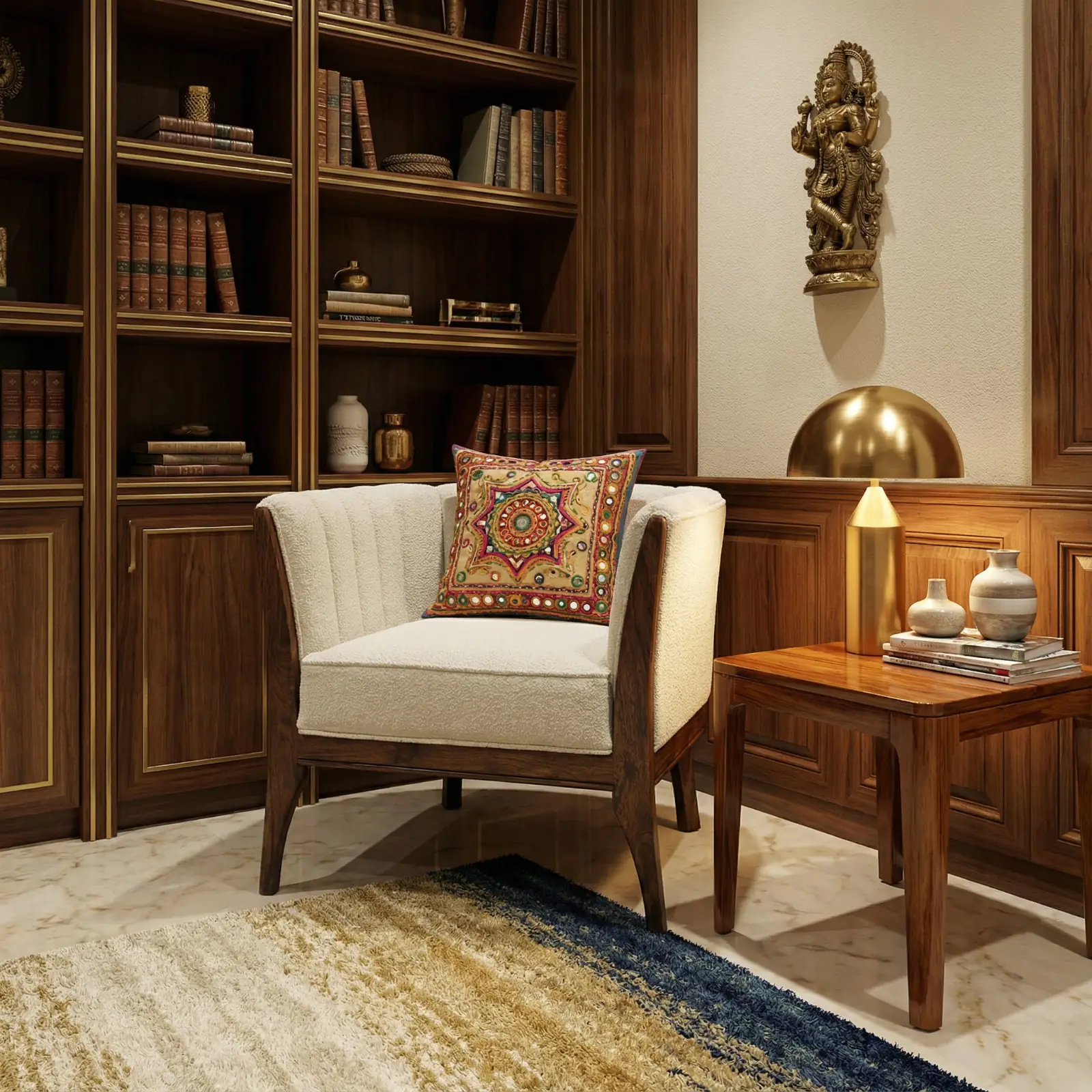
Seating furniture, commonly referred to as seating solutions, includes chairs, sofas, loveseats, and benches. These items are primarily designed for comfort, social interaction, and relaxation. Armchairs offer personal space, while sofas create a communal environment for family gatherings or entertaining guests. The choice of fabric and foam density can influence not only comfort but also the aesthetic contribution of seating to a room.
Surfaces encompass tables, desks, and countertops. These essential pieces provide functional areas for dining, working, or displaying decorative items. Dining tables are often the focal point of social gatherings, whereas desks serve as dedicated spaces for productivity. Different styles and materials, such as wooden, glass, or metal surfaces, reflect varying tastes and needs, whether for traditional or contemporary settings.
In terms of storage, furniture items like cabinets, shelves, and chests address the need for organization and decluttering. Cabinets provide concealed storage, while open shelves allow for display and easy access to frequently used items. The design and structure of these storage units can reflect personal style while effectively maximizing space utilization.
Lastly, decorative furniture adds charm and visual interest to spaces. Items such as accent chairs, coffee tables, and artistic pieces not only serve practical purposes but also enhance the overall ambiance of a room. Integrating decorative furniture wisely can elevate the aesthetic quality of any environment. Overall, understanding the diverse categories of furniture enables individuals to create cohesive and functional spaces that meet their lifestyle demands.
Choosing the Right Furniture for Your Space
Selecting the right furniture is a crucial step in creating a functional and aesthetically pleasing environment. A variety of factors must be considered to ensure that the chosen pieces harmonize with the available space while meeting personal preferences and practical needs. One of the first considerations is the size of the room. Before making any purchases, measuring the dimensions of the space is essential. Accurate measurements will help you determine the maximum size of the furniture pieces that can comfortably fit without overcrowding the room.
In addition to room size, style preferences play a significant role in furniture selection. Each individual has a unique taste that reflects their personality. Whether your aesthetic leans towards modern, traditional, or something eclectic, ensuring that your furniture aligns with your overall design vision is vital. Consider creating a mood board to visualize how different styles and colors can work together.
Functionality is another critical aspect when it comes to choosing furniture. Each piece should serve a purpose, whether that is providing seating, storage, or decorative appeal. For example, multifunctional furniture such as ottomans with hidden storage or a sofa bed can maximize utility in smaller spaces. Assess your daily needs to identify which furniture pieces will enhance your living experience.
Choosing appropriate materials is equally important. Consider the durability and maintenance requirements of the materials used in your furniture. If you have children or pets, opting for stain-resistant fabrics and robust materials will help maintain the longevity of the pieces. Balancing aesthetics with practicality is essential; carefully consider each selection to ensure it complements both your style and the functional demands of your space, creating an inviting and organized environment that you will enjoy for years to come.
Furniture Styles and Trends
In the world of interior design, furniture styles and trends continually evolve, reflecting changes in consumer demands, environmental considerations, and technological advancements. Among the most prevalent styles today are modern, traditional, minimalist, and Scandinavian designs. Each style carries its unique characteristics, thereby allowing individuals to express their personalized tastes within their living spaces.
Modern furniture, known for its clean lines and uncluttered aesthetics, often incorporates materials such as metal, glass, and wood to create functional yet visually appealing pieces. This style emphasizes simplicity and often features bold, geometric forms. On the other hand, traditional furniture is characterized by its intricate detailing and craftsmanship, often drawing inspiration from historical designs. It typically uses rich woods and fabrics in deep colors, evoking warmth and elegance.
Minimalism is a philosophy that encourages simplicity and functionality, focusing on essential items while eliminating excess. This furniture style tends to use neutral color palettes and natural materials, promoting a sense of tranquility and organization. In contrast, Scandinavian design integrates bright colors, natural light, and a mix of textures to create an inviting environment. This style emphasizes sustainability and functionality, often embracing eco-friendly materials and manufacturing processes.
Current trends in furnishings also highlight a growing preference for sustainable materials, such as reclaimed wood and recycled plastics. The use of bold colors and patterns is making a comeback, with consumers increasingly opting for statement pieces that add personality to their homes. Texture is another focal point, with an emphasis on combining various materials, such as velvet, metal, and wood, to create a tactile experience.
In conclusion, understanding these furniture styles and trends not only aids in selecting the right pieces for your home but also fosters a deeper appreciation of the craftsmanship and artistry involved in furniture design.
Caring for Your Furniture
Caring for your furniture is essential in ensuring its longevity and maintaining its aesthetic appeal. Different materials require distinct care approaches, and understanding these can significantly enhance the durability of your furnishings. For wooden furniture, regular dusting with a soft, lint-free cloth is advisable to prevent scratches. Additionally, applying a high-quality wood polish periodically can help protect the surface from moisture and stains. It’s also wise to keep wooden furniture out of direct sunlight to prevent fading and warping.
When it comes to fabric furniture, like sofas and chairs, upholstery cleaning is crucial. Vacuuming weekly can help remove dust and debris. If spills occur, promptly blotting the stain with a clean, damp cloth can prevent it from settling. Depending on the fabric, occasional professional cleaning may be recommended. It’s also beneficial to use fabric protectors, which can create a barrier against stains and spills.
Metal furniture, often used in modern decor, requires different care techniques. To avoid rust, regularly wipe down metal surfaces with a soft cloth and apply a metal polish if necessary. If your metal furniture is outdoors, consider utilizing covers during inclement weather or applying a protective coating developed for outdoor furniture, ensuring its resistance to the elements.
Furthermore, using coasters under drinks and avoiding sharp objects on surfaces can help prevent damage across all furniture types. Addressing specific material needs is critical, as preparing and maintaining furnishings with the right techniques enhances their appearance and functioning. Staying informed about cleaning methods and protective measures ensures your pieces remain beautiful and functional for years to come.
DIY Furniture Projects
Engaging in DIY furniture projects can not only enhance your living space but also allow for creative expression through furniture design. Undertaking modifications and refurbishments on existing pieces can breathe new life into tired furniture without a significant investment. A simple yet effective approach is to repaint or refinish an old table or chair. Changing the color and finish can dramatically alter its appearance and fit your current décor. Techniques such as chalk painting or distressing can give an antique look that is both trendy and appealing.
If you are looking to create custom furniture from scratch, consider starting with basic woodworking projects. Building a simple shelf or a side table can be an excellent introduction to DIY furniture making. Many online resources provide step-by-step tutorials, complete with material lists and illustrations to guide you through the process. Using reclaimed wood can add character and sustainability to your projects, allowing you to craft unique pieces that are both functional and environmentally friendly.
For those who appreciate the versatility of upholstery, consider reupholstering an old chair or sofa. This process involves selecting fabric that complements your home while providing a fresh look. You can experiment with various patterns and textures, making it a personalized piece that enhances your interiors. Additionally, accessorizing your furniture with decorative elements such as cushions, throws, or custom hardware can further elevate its aesthetic value.
Finally, do not shy away from collaborative projects that involve friends or family. Working together can bring about new ideas and perspectives while making the DIY experience enjoyable and social. Sharing skills and techniques can lead to creations that embody the efforts of multiple hands, making the resulting furniture unique and cherished.
Establishing a Budget for Furniture Purchases
When embarking on the journey of furniture shopping, establishing a realistic budget is paramount. This budget will serve as the foundation for your purchasing decisions and help prevent overspending. Begin by assessing your overall financial situation, taking into account your income, expenses, and savings goals. Once you have a clear understanding of your finances, allocate a specific amount for furniture purchases. Consider factors such as delivery fees, installation costs, and potential taxes that may influence the total expenditure.
Investing in quality furniture can yield significant long-term benefits. High-quality pieces often last longer and withstand wear and tear, thus saving you money on replacements. It is essential to prioritize durability and craftsmanship over immediate cost savings. Research suggests that allocating a larger portion of your budget to essential furniture items, like sofas and mattresses, is advisable as these pieces affect your comfort and everyday life.
Several factors can affect furniture pricing, including materials, brand reputation, and design complexity. For example, solid wood furniture may come at a premium but generally provides enhanced durability compared to composite materials. Additionally, designer brands often carry a higher price tag due to their craftsmanship and unique aesthetics. Understanding these dynamics can help you make informed decisions when selecting items that adhere to your budget while still being stylish and functional.
To make wise purchasing decisions, consider shopping during sales events or exploring second-hand options. Vintage furniture stores or online marketplaces provide an opportunity to find unique pieces at a fraction of the original cost. Remember to assess each item thoroughly for quality and condition, ensuring it meets your expectations without compromising style. By thoughtfully navigating your budget, you can create a cohesive and inviting space that reflects your personal style while also being financially responsible.
Sustainable Furniture Choices
In recent years, the growing awareness of environmental issues has led to a marked shift towards sustainable furniture selection. This trend not only reflects a commitment to the environment but also promotes the use of products that are crafted with eco-friendly materials. When considering furniture options, it is essential to explore various materials that minimize environmental impact. Bamboo, for instance, is a rapidly renewable resource that is gaining popularity due to its strength and sustainability. Similarly, reclaimed wood is an excellent choice, as it repurposes materials that would otherwise contribute to waste, giving each piece a unique character.
Additionally, many brands are now prioritizing sustainability in their production processes. Companies such as West Elm and IKEA have made commitments to use recycled materials and sustainable sourcing practices in their furniture offerings. These brands not only reduce the carbon footprint associated with furniture production but also engage in social responsibility initiatives. By selecting products from these companies, consumers can contribute to a larger movement aimed at fostering environmental consciousness.
Moreover, opting for second-hand or vintage furniture presents an effective means of reducing environmental impact. By choosing pre-owned items, consumers can extend the lifecycle of furniture and significantly decrease the demand for new products. Thrift stores, online marketplaces, and estate sales often provide unique and high-quality options that are not only budget-friendly but also have a reduced carbon footprint compared to new items. Furthermore, this practice encourages a circular economy, where the longevity of goods is emphasized over disposable consumer culture.
Ultimately, making sustainable furniture choices contributes to environmental conservation and promotes a lifestyle that values quality over quantity. As more consumers prioritize these practices, the shift towards sustainability in furniture selection is likely to continue, setting a precedent for future generations.
Final Thoughts and Conclusion
In assessing the entirety of the furniture selection process, it becomes evident that thoughtful consideration is paramount. Each piece of furniture is not merely an object within a home, but rather a vital component that contributes to the overall aesthetic, functionality, and comfort of a living space. Whether it is selecting enduring and elegant items, choosing materials that align with one’s lifestyle, or understanding care techniques, every decision holds significance.
Moreover, the trends within the furniture industry emphasize sustainability, functionality, and innovation. Adapting to these trends allows individuals to not only embrace contemporary styles but also cultivate an environment that is reflective of their personal values. Furniture selections are more than simple preferences; they are reflections of identity, lifestyle, and aspirations.
As readers embark on their own furniture journey, it is advisable to remain mindful of the balance between personal taste and practical considerations. This includes assessing the impact of large furniture choices on spatial perceptions, as well as evaluating how well individual pieces harmonize with existing décor. Care for furniture should also be prioritized, as proper maintenance extends the lifespan and value of these investments.
Ultimately, the way one approaches furniture selection, care, and alignment with current trends significantly influences the ambiance of their home. By thoughtfully exploring and engaging with these aspects, individuals can create a living space that not only meets their needs but also enhances their quality of life. The culmination of these elements lays the foundation for a home that is not only functional but truly a reflection of the individual within.












 Bedroom