
MAGAZINE
The Hotel FF&E Guide Nobody Gave You Before You Started: What Every Developer Needs to Know

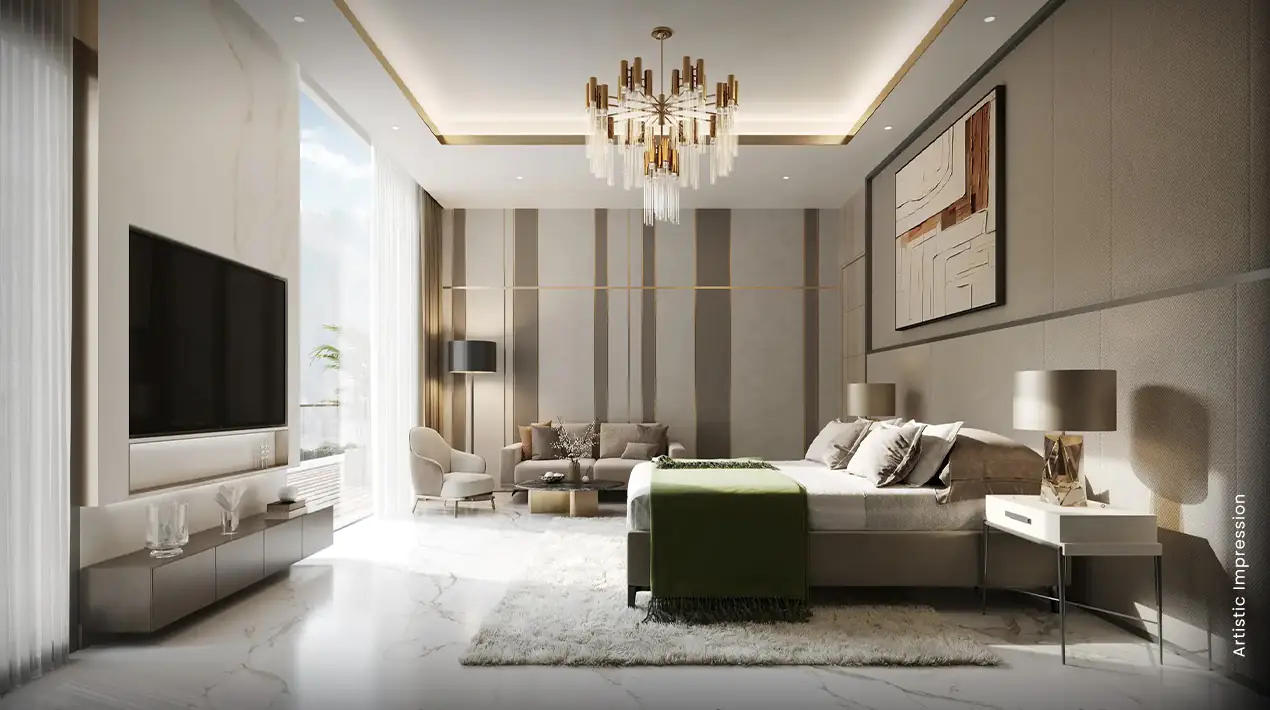
How to Furnish a 5-Star Hotel: The Complete FF&E Guide for Hospitality Developers | Crosby
Someone should have told you this at the beginning of the project.
FF&E — Furniture, Fixtures, and Equipment — is not the last thing you do before a hotel opens. It is not “decoration” added after the real work of construction is complete. On hospitality and multifamily projects, FF&E typically represents 15–30% of total project cost. It is a capital asset class. It defines the guest experience that generates your reviews and your RevPAR. It requires as much planning rigour as the structure above it.
And it needs to start — genuinely start, with active procurement decisions — at least 18 months before opening day.
This guide is what Crosby tells every new hospitality development client before we begin work together.
The Phase-by-Phase FF&E Programme for a Luxury Hotel
18+ Months Before Opening: Concept and Brief
At this stage, the architecture is being designed. The FF&E team should already be in the room.
Why? Because the furniture specification affects the architecture. The width of a corridor must accommodate the furniture programme. The positioning of structural columns must allow for the bed layout in guest rooms. The lobby’s architectural language must be understood before the lobby furniture can be designed.
Crosby engages at this stage as a design collaborator, not a procurement contractor. We help clients think through the FF&E concept simultaneously with the spatial design, so that the furniture programme is integrated into the building rather than fitted into it retrospectively.
12–14 Months Before Opening: Specification and Budgeting
A complete FF&E schedule is the foundation of any well-managed hospitality procurement programme. For private clients, family offices, and property developers, understanding FF&E is crucial — it is not simply a matter of choosing beautiful pieces. It is a structured process requiring early planning, precise specification, commercial negotiation, and careful implementation.
Our FF&E schedule for a full-service hotel is a room-by-room, item-by-item document typically running to several hundred line items, covering every piece from the statement lobby furniture to the task chairs in the back-of-house offices. Every line item includes dimensional specification, material and finish requirements, quantity, supplier category, estimated unit cost, and lead time.
This schedule is the commercial and programme control document for the entire procurement phase. Without it, FF&E management is improvised. With it, it is controlled.
10–12 Months Before Opening: Supplier Engagement and Sampling
With the schedule confirmed and the budget approved, procurement begins in earnest. Crosby’s multi-continent sourcing strategy allocates each product category to its optimal geography — Delhi for bespoke and custom joinery, Turkey for contract upholstery and hotel seating, China for case goods and mass-production residential furniture — achieving both design fidelity and cost efficiency simultaneously.
The sample approval process is non-negotiable. Every significant piece is sampled, reviewed, and signed off before production begins. The golden sample travels with the order as the production benchmark.
6–8 Months Before Opening: Production and Quality Control
Production monitoring is where most unmanaged FF&E programmes lose control. Crosby’s factory management team conducts mid-production inspections for all significant orders, catching quality deviations at a stage where they can be corrected without programme impact.
3–4 Months Before Opening: Delivery and Installation
The delivery phase of a hotel opening is a logistics problem of significant complexity. Staggered deliveries, specialist handling, and white-glove installation services are often required. The interior designer oversees styling — placing items, dressing the space, and adding final touches to ensure cohesion and impact.
Crosby manages the delivery sequence to align with the construction programme. Nothing arrives before it can be installed. Installation is supervised by our on-site team, with a final snagging and styling process that ensures every room is complete before handover.
What It Costs to Get This Wrong
The pre-opening crisis — furniture arriving incomplete, substituted, damaged, or simply late — costs money in ways that are rarely fully accounted for. Delayed opening dates. Sales team morale. Soft-opening compromises that permanently tarnish a property’s first reviews. Replacement costs at premium prices because there is no time to negotiate.
Crosby’s integrated approach eliminates these costs. Our management fee is an investment that reliably returns more than it costs.
Talk to our hospitality FF&E team. We are available for projects at all stages, including those where procurement has already started badly.











 Bedroom